Safeguarding Your Landscape: A Comprehensive Guide to Tree Disease Prevention by Clark's Tree Care
Protecting Your Green Investment: The Importance of Tree Disease Prevention
Maintaining a vibrant and healthy landscape requires diligent care, and at its core lies effective Tree Disease Prevention. Trees are invaluable assets, contributing to aesthetic appeal, air quality, and property value. However, they are constantly susceptible to various diseases that can significantly compromise their health, longevity, and structural integrity. Proactive disease management is not merely about addressing issues after they arise; it's about implementing strategies to safeguard trees from succumbing to pathogens in the first place, ensuring they remain strong and resilient for years to come. Preventing tree diseases helps avoid costly treatments or removals and protects the wider ecosystem by limiting the spread of infectious agents. Effective prevention and mitigation strategies are urgently needed as the frequency and severity of disease outbreaks increase globally, largely due to factors like global trade and climate change.
Understanding Common Tree Diseases in North and South Carolina
North and South Carolina's diverse climates support a wide array of tree species, but also create conditions conducive to various tree diseases. Recognizing these common ailments is the first step in effective prevention. Local diseases often include:
- Anthracnose: A fungal disease causing dark, sunken spots on leaves, often leading to defoliation, particularly in sycamores, maples, and oaks during wet conditions.
- Canker Diseases: Fungi that cause localized, dead areas on bark, branches, or trunks. These lesions can girdle branches, leading to dieback.
- Dutch Elm Disease (DED): A devastating fungal disease spread by elm bark beetles and root grafts, causing rapid wilting and death, especially in American, slippery, and winged elms. DED-resistant cultivars offer a preventive planting option.
- Oak Wilt: A lethal fungal disease primarily affecting red oaks and live oaks. It spreads through root grafts and sap-feeding beetles, causing leaf discoloration, wilting, and tree death if not contained.
- Pine Diseases: This category includes issues like Brown Spot Needle Blight, which causes pine needles to turn brown and shed prematurely, and Fusiform Rust, a significant problem for various southern pine species, creating spindle-shaped galls.
- Root Rot: Often caused by overwatering or poorly drained soil, this fungal disease leads to the decay of root systems, making trees unstable and unable to absorb nutrients.
- Powdery Mildew: A common fungal disease appearing as white, powdery patches on leaves, though rarely fatal to mature trees, it can stunt growth and cause premature leaf drop.
The N.C. Forest Service highlights various forest health concerns, emphasizing the importance of recognizing symptoms in foliage, branches, stems, and roots. Specific elm tree diseases common in the region, such as Elm Yellows, Elm Black Spot, and Verticillium Wilt, also require attention, with prevention often being the primary management strategy.
Early Detection Strategies for Effective Tree Disease Prevention
Early detection is paramount in mitigating the spread and severity of tree diseases. Regular, thorough inspections can reveal subtle signs before an issue becomes critical. Homeowners should look for:
- Leaf Changes:
- Unusual discoloration (yellowing, browning, purplish tints)
- Spots, blotches, or lesions on leaf surfaces
- Wilting or drooping leaves, even when adequately watered
- Premature leaf drop or thinning canopy
- Bark Anomalies:
- Cracks, splits, or peeling bark
- Sunken areas or cankers
- Oozing sap or discolored liquid
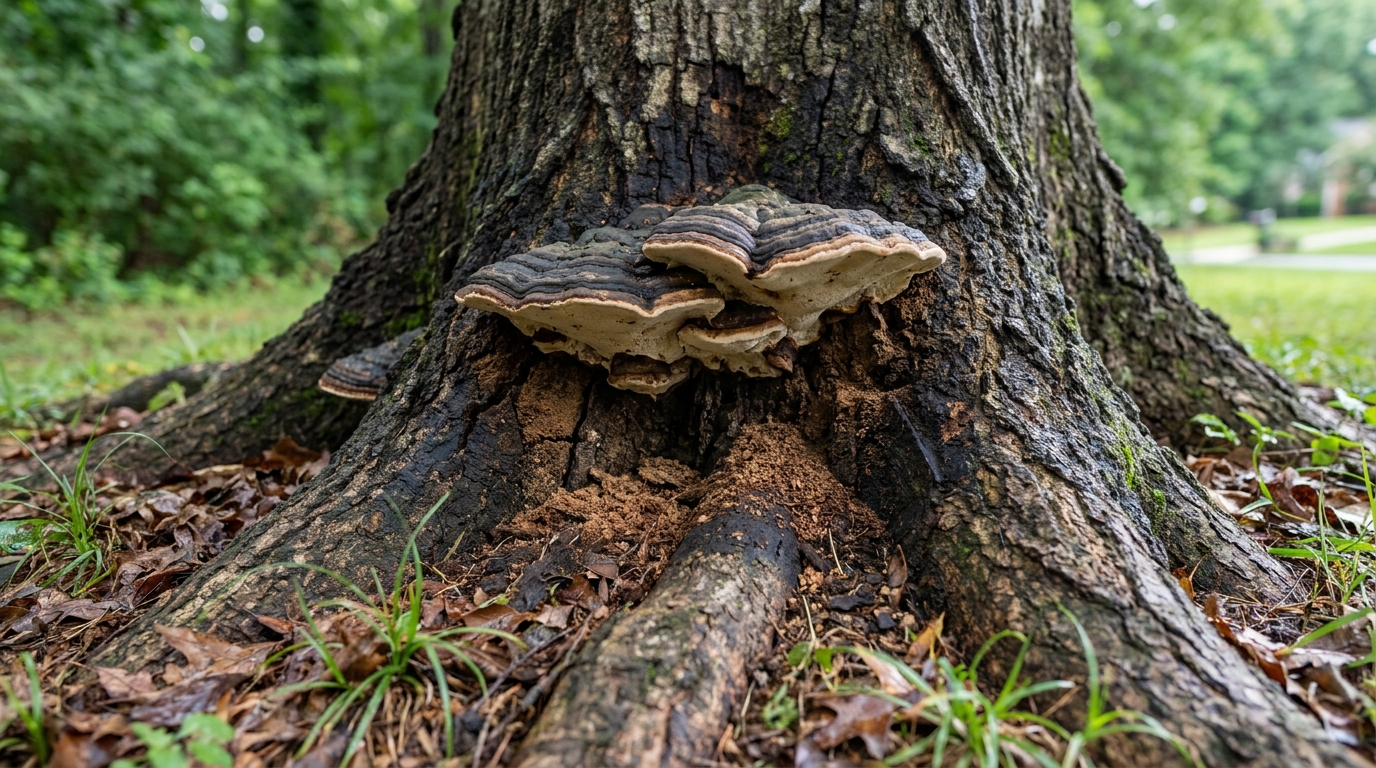
- Fungal growths, such as mushrooms or conks, especially at the base
- Branch & Twig Issues:
- Dieback of individual branches or twigs
- Unusual growths or swellings (galls)
- Failing to bud or produce leaves in spring
- Overall Tree Health:
- General decline in vigor or stunted growth
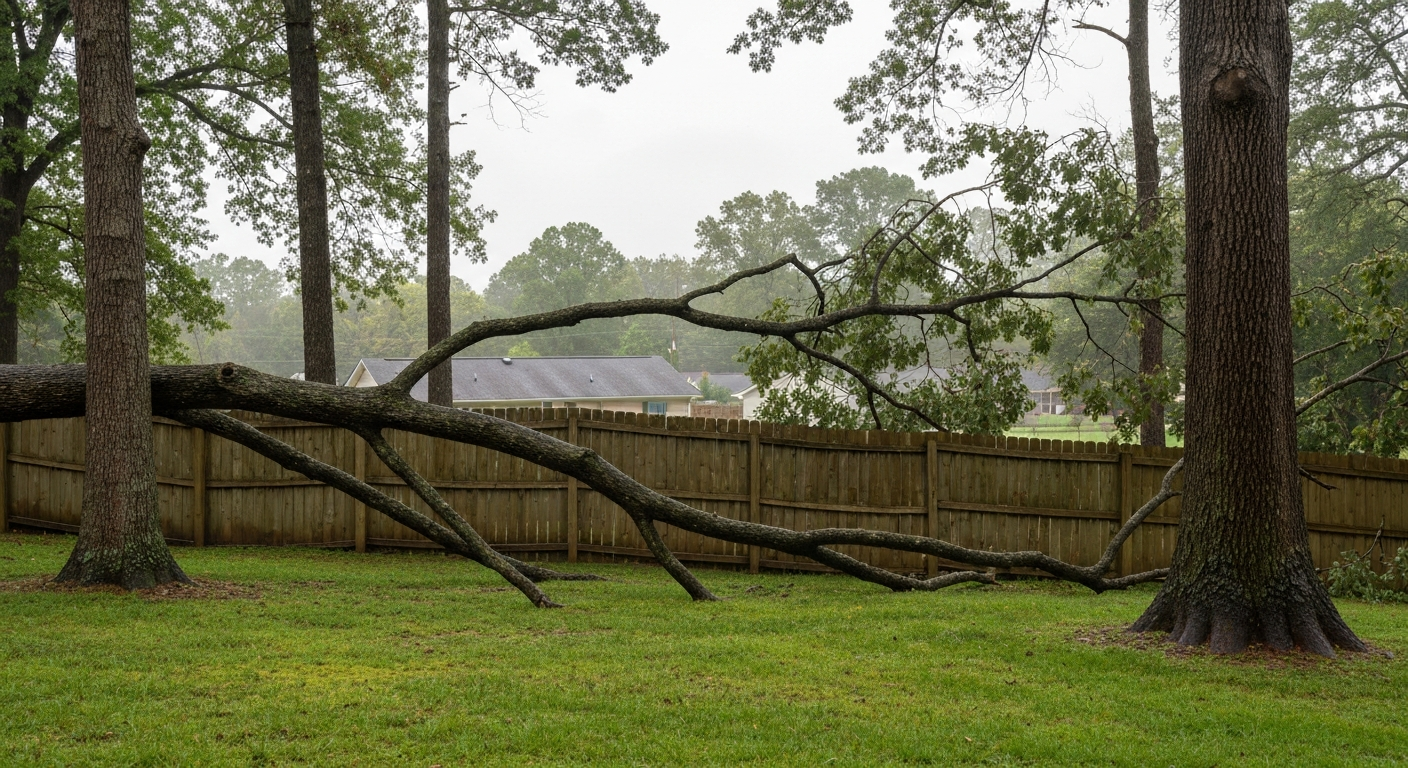
- A sudden lean or root upheaval
- Presence of insect activity, as pests can be vectors for disease
If any unusual symptoms are observed, prompt action is crucial. Consulting a professional arborist ensures accurate diagnosis and timely intervention, preventing the disease from escalating or spreading to other healthy trees.
Nourishing Your Trees: Proper Watering and Essential Nutrients
A well-nourished tree is a resilient tree. Proper watering and nutrient management form the bedrock of strong tree health, enabling them to better resist diseases.
Watering:
- Deep and Infrequent: Encourage deep root growth by watering deeply rather than frequent, shallow watering. This helps the roots access moisture during dry periods.
- Avoid Overwatering: Saturated soils can lead to root rot and other fungal issues. Ensure good drainage and avoid water accumulation around the tree's base.
- Consider Tree Needs: Different tree species have varying water requirements. Monitor local weather conditions and adjust watering schedules accordingly, especially during dry spells.
Nutrients:
- Soil Testing: A soil test can identify nutrient deficiencies or imbalances. This allows for targeted fertilization rather than a generic approach.
- Balanced Fertilization: Use a balanced fertilizer as recommended by soil test results to provide essential macro and micronutrients.
- Organic Matter: Incorporate compost or other organic matter to improve soil structure, water retention, and nutrient availability. Healthy soil with a rich microbial community can also suppress disease-causing organisms.
By providing adequate hydration and essential nutrients, you empower your trees to build strong immune systems, making them less susceptible to opportunistic pathogens.
Strategic Pruning Techniques to Prevent Disease Spread
Strategic pruning is a vital component of Tree Disease Prevention and overall tree health. When executed correctly, it can significantly reduce disease risk and promote vigorous growth. Key techniques include:
- Removing Diseased Branches: Promptly remove any branches showing signs of disease, such as cankers, wilting, or deadwood. This prevents pathogens from spreading to healthy parts of the tree.
- Improving Air Circulation: Thinning the tree's crown by removing crowded or crossing branches enhances airflow and sunlight penetration. This creates an environment less favorable for moisture-loving fungi.
- Using Sterilized Tools: Always use clean, sharp pruning tools and sterilize them with rubbing alcohol or a bleach solution between cuts, and especially between different trees, to prevent transmitting pathogens.
- Pruning at the Right Time:
- For most trees, late winter to early spring, before new growth begins, is ideal for structural pruning.
- Avoid heavy pruning during wet seasons when fungal spores are most active.
- Special considerations apply to certain species; for example, oaks should typically not be pruned from April through July to reduce the risk of Oak Wilt.
- Making Proper Cuts: Make clean cuts at the branch collar to facilitate proper healing and minimize entry points for disease. Avoid leaving stubs.
Proper pruning can improve a tree's access to air and sunlight and remove infected branches, playing a crucial role in preventing and managing many diseases.
The Foundation of Tree Health: Cultivating Optimal Soil Conditions
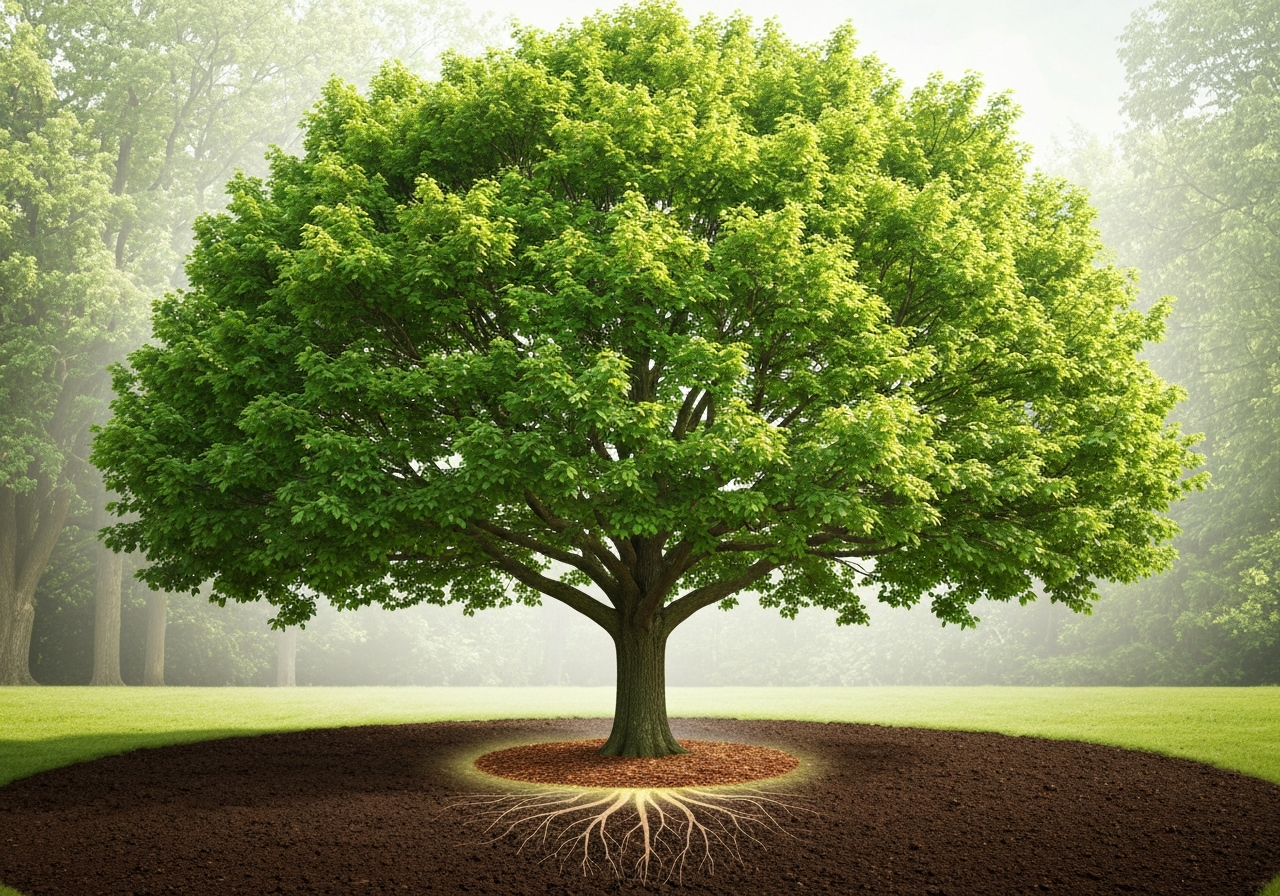
The health of your trees begins beneath the surface, within the soil. Optimal soil conditions are fundamental for robust root development and overall tree vigor, which directly impacts their resistance to disease.
- Soil Structure and Drainage: Well-draining soil prevents waterlogging, a common cause of root rot. Compacted soil restricts root growth and air circulation, making trees vulnerable. Incorporating organic matter can improve soil structure and aeration.
- pH Balance: Trees thrive within specific pH ranges. An imbalance can hinder nutrient uptake, weakening the tree. A soil test can determine pH and recommend amendments if necessary.
- Mycorrhizal Fungi: These beneficial fungi form symbiotic relationships with tree roots, enhancing their ability to absorb water and nutrients. Promoting a healthy soil microbiome can increase the presence of such beneficial organisms.
- Mulching: Applying a 2-4 inch layer of organic mulch (like wood chips or bark) around the base of trees helps retain soil moisture, regulate temperature, suppress weeds, and slowly release nutrients. Ensure mulch is kept a few inches away from the trunk to prevent moisture buildup and rot.
Soil health is the capacity of soil to support productive trees over time, influenced by interacting biological, physical, and chemical properties.
Smart Planting: Choosing Disease-Resistant Tree Varieties
One of the most proactive steps in Tree Disease Prevention is selecting disease-resistant tree varieties suitable for your specific climate and site conditions. This significantly reduces the likelihood of future disease problems and the need for intensive treatments.
- Native Species: Opting for native trees is often a wise choice, as they are naturally adapted to local climates, soil types, and common pests and diseases. This inherent resilience minimizes stress and susceptibility.
- Certified Disease-Resistant Cultivars: Many popular tree species have been bred for resistance to specific diseases. For example, when planting elms, consider DED-resistant cultivars like 'Princeton,' 'Jefferson,' 'New Harmony,' or 'Valley Forge.'
- Diversity is Key: Planting a variety of tree species in your landscape creates a more resilient ecosystem. Monocultures are more vulnerable to widespread disease outbreaks, as a single pathogen can decimate an entire population.
For North Carolina, examples of disease-resistant options include Chinese fringe trees, Japanese maples, and Crape Myrtles, known for their drought tolerance and resistance. Fruit tree enthusiasts can look for varieties like Liberty apples and Red Haven peaches. Always consult local nurseries for advice on the best choices for your specific region and microclimate.
Professional Expertise: How Clark's Tree Care Supports Your Prevention Efforts
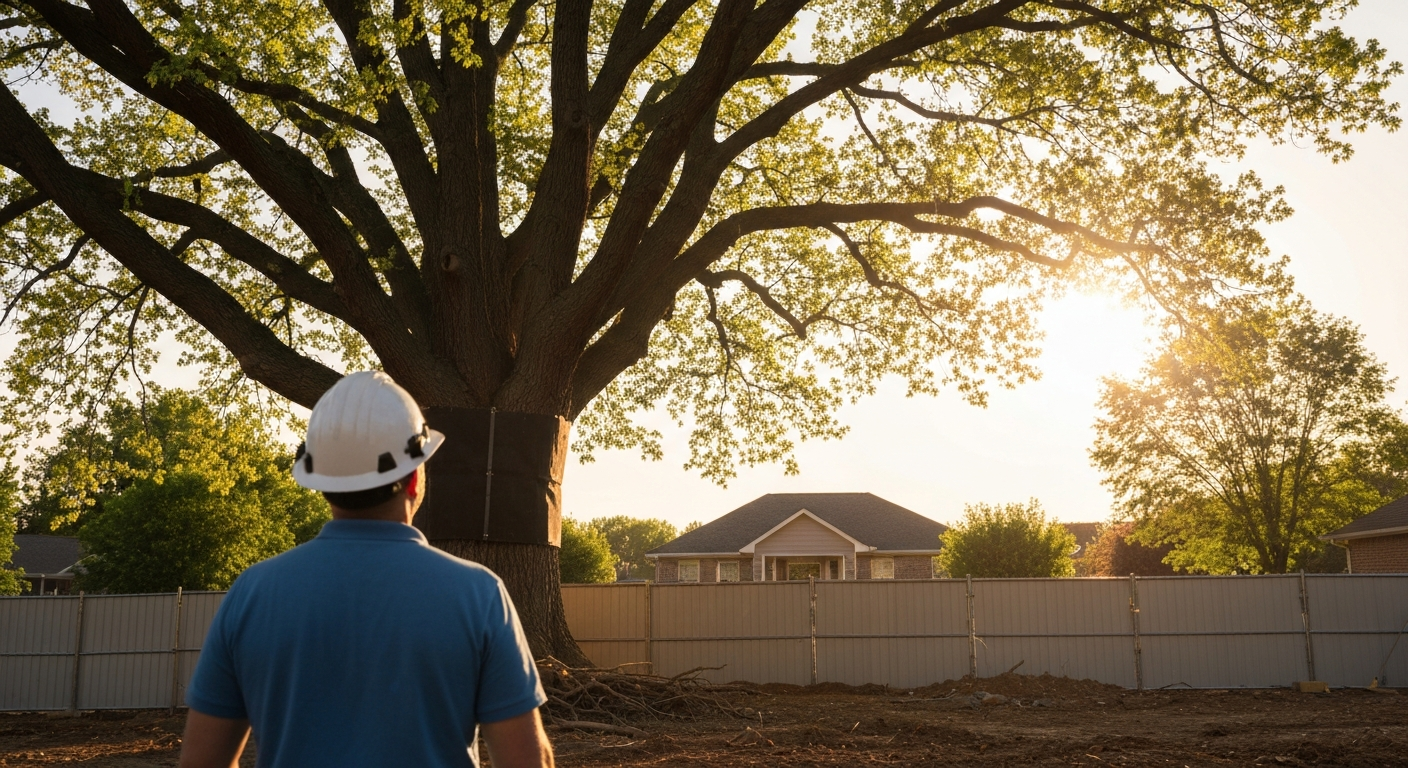
While homeowners can implement many preventive measures, certain aspects of Tree Disease Prevention benefit greatly from professional expertise. Clark's Tree Care LLC provides comprehensive services designed to safeguard the health and longevity of your trees.
- Expert Diagnosis: Our certified arborists can accurately diagnose tree diseases, distinguishing between different pathogens and environmental stressors that may present similar symptoms. Early and correct diagnosis is critical for effective treatment.
- Targeted Treatment Plans: Based on the diagnosis, we develop tailored treatment plans, which may include specific fungicides, insecticidal applications for pest vectors, or soil amendments to correct deficiencies.
- Strategic Pruning: Our team employs advanced pruning techniques to remove diseased or dead wood, improve canopy structure, and enhance air circulation, all while minimizing stress on the tree. We understand the optimal timing and methods for different species to prevent disease spread.
- Soil Health Management: We can assess your soil conditions and recommend solutions to improve drainage, nutrient availability, and overall soil health, creating a stronger foundation for your trees.
- Tree Selection and Planting Advice: For new plantings, we provide expert guidance on choosing disease-resistant varieties best suited for your property and the local climate.
Partnering with Clark's Tree Care means your trees receive the highest level of care, rooted in arboricultural science and practical experience.
Partnering for a Healthier Landscape: Why Choose Clark's Tree Care LLC
Choosing the right partner for your tree care needs is crucial for the long-term health and beauty of your landscape. Clark's Tree Care LLC is dedicated to providing professional, reliable, and expert services, making us the ideal choice for proactive tree disease prevention and management.
- Experience and Expertise: With years of experience in the Waxhaw and greater Charlotte area, our team possesses an in-depth understanding of local tree species, common diseases, and effective treatment protocols. Our certified arborists stay updated on the latest industry best practices.
- Comprehensive Services: From tree trimming and pruning to emergency services and stump grinding, we offer a full spectrum of tree care solutions designed to address every need.
- Safety First Approach: We prioritize safety in every job, adhering to strict protocols and utilizing the right equipment and techniques to protect your property and our team. Clark's Tree Care is fully insured, providing peace of mind.
- Customer-Centric Service: We pride ourselves on transparent pricing, free on-site estimates, and responsive communication. Our goal is to build lasting relationships with our clients, ensuring their trees remain healthy and vibrant.
- Local Commitment: As a locally owned and operated business, we are invested in the well-being of our community's trees and landscapes.
By entrusting your trees to Clark's Tree Care, you are choosing a partner committed to preserving your green investment through diligent prevention and expert care.
Frequently Asked Questions About Tree Disease Prevention
What are the most common signs of a diseased tree?
Common signs include discolored or wilting leaves, unusual spots or growths on foliage, bark cracks, cankers, dead branches, and fungal growth at the base of the tree. Refer to our "Early Detection Strategies" section for a more detailed guide.
When is the best time to prune trees to prevent disease?
Generally, late winter to early spring, before new growth begins, is ideal for most species. This minimizes stress and the risk of infection. However, dead or hazardous branches should be removed immediately regardless of the season. It is crucial to sterilize tools between cuts.
Can I treat tree diseases myself?
While some minor issues can be addressed by homeowners (e.g., proper watering, basic pruning), serious tree diseases often require professional diagnosis and treatment. Misidentification or improper application of treatments can cause further harm. When in doubt, it's always best to consult a certified arborist.
How does soil health affect a tree's resistance to disease?
Optimal soil conditions, including good drainage, proper pH, and adequate nutrients, are crucial for strong root systems. Healthy roots enable trees to absorb water and nutrients efficiently, making them more vigorous and better equipped to fight off pathogens. Poor soil conditions can stress trees, making them highly susceptible to disease.
What are disease-resistant trees, and how do I choose them?
Disease-resistant trees are varieties bred or naturally adapted to resist common diseases in a particular region. Choosing native species or cultivars known for their resistance to local threats is a proactive measure. Consult with local nurseries or arborists for recommendations tailored to your area. For more information, check out our Frequently Asked Questions page.