Understanding **common tree diseases in Charlotte, NC**: Identify, Prevent, and Protect Your Urban Canopy
Protecting Charlotte's Urban Forest
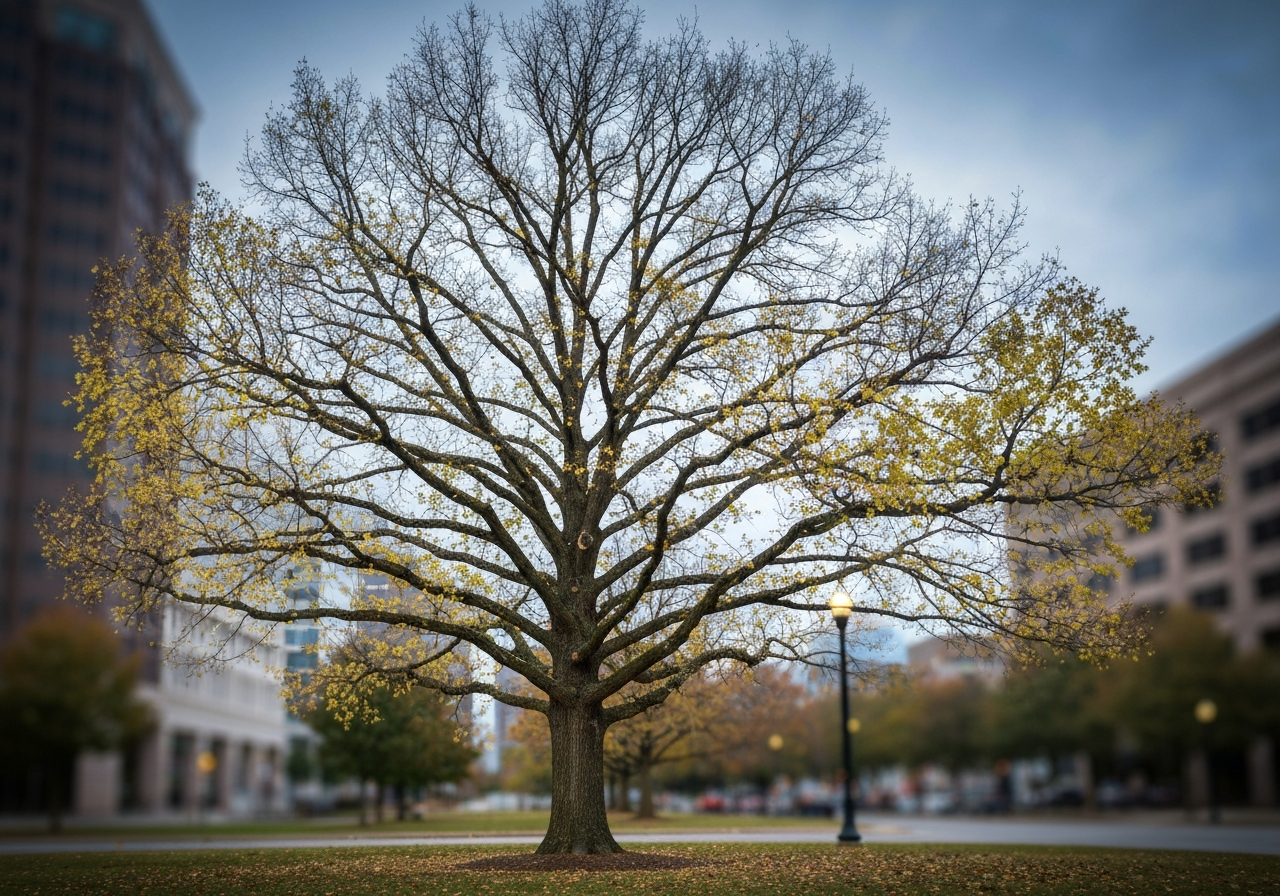
Charlotte, North Carolina, is renowned for its lush tree canopy, a vital asset that enhances the city's beauty, air quality, and overall well-being. This urban forest, however, faces constant threats, with population growth and rapid development putting significant pressure on its health and size. Understanding and addressing common tree diseases in Charlotte, NC, is crucial for preserving this invaluable natural resource.
Why Charlotte Trees Are Vulnerable: Understanding Our Unique Environment
Several factors contribute to the vulnerability of Charlotte's urban trees. The region's characteristic heavy clay soil, while retaining moisture, can lead to waterlogging in rainy seasons, suffocating roots and promoting conditions ripe for root rot. Additionally, the increasing density of development often means less green space and more stress on existing trees. The city has even set a "50 percent by 2050" policy to increase tree coverage, recognizing the significant loss of canopy over recent decades.
Spotlight on Common Tree Diseases in Charlotte, NC: Identification Guide
Early identification is key to managing tree diseases effectively. Homeowners and arborists alike must be vigilant in observing changes in tree foliage, bark, and overall vigor. Many diseases present with distinct symptoms, and understanding these can guide timely intervention. The N.C. Forest Service provides valuable resources on common forest tree diseases, and recognizing these issues in your landscape is the first step toward protecting your trees.
Disease Spotlight: Phytophthora Root Rot – The Silent Threat in Clay Soils
Phytophthora root rot is a pervasive and often silent killer, particularly in Charlotte's clay-heavy soils. Caused by a group of fungal-like organisms known as "water molds," this disease thrives in poorly drained, waterlogged conditions. Symptoms above ground can mimic drought stress or nutrient deficiency, including leaf yellowing (chlorosis), wilting, and dieback of branches. Below the surface, infected roots may appear discolored (reddish-brown, gray, or black), and the outer layer can easily slough off. The disease can lead to a slow decline over several months or years, or a rapid collapse of the tree. Effective management involves improving soil drainage, avoiding overwatering, and selecting plants tolerant or resistant to the pathogen when replanting in affected areas. The LSU AgCenter emphasizes proper cultural practices and sanitation to prevent its spread, noting that once introduced, the pathogen can persist in the soil for a long time.
Disease Spotlight: Seiridium Canker – A Foe of Leyland Cypress
Leyland cypress, a popular evergreen for hedges and screens, is highly susceptible to Seiridium canker. This fungal disease is often triggered by environmental stress such as drought, winter desiccation, or nutrient deficiencies. Key symptoms include "flagging" (branches turning yellow to reddish-brown in the midst of green foliage), sunken reddish cankers on branches or trunks, and the characteristic oozing of resin from these cankers. The WVU Extension recommends pruning infected branches several inches below the cankered area, sterilizing tools between cuts, and alleviating tree stress through proper watering and mulching to prevent infection spread. Unfortunately, fungicides are generally not effective in controlling this disease once established.
Disease Spotlight: Anthracnose – Managing Spring's Fungal Nuisance
Anthracnose is a general term for a group of fungal diseases affecting many hardwood trees, including oaks, maples, sycamores, ashes, and dogwoods. It commonly appears in spring and early summer, especially during cool, wet weather. Symptoms often include brown, black, or tan lesions on leaves, often starting along the veins, which can lead to premature leaf drop or distorted new growth. While primarily a cosmetic issue, severe infections can cause significant defoliation and twig dieback. The NC State Extension advises sanitation practices like raking and destroying fallen leaves and pruning infected twigs in the fall to reduce the fungal inoculum for the following spring. Ensuring adequate air circulation by proper tree spacing and thinning also helps prevent infection.
Disease Spotlight: Oak Wilt – A Rapid and Deadly Infection
Oak wilt, caused by the fungus Bretziella fagacearum, is a highly destructive disease, particularly lethal to red oaks. It has been detected in North Carolina since 1951 and can cause rapid mortality. Symptoms in red oaks include wilting and bronzing of foliage, often starting from the tree's top and spreading quickly. The fungus can spread through interconnected root systems (root grafts) between nearby oaks or via sap-feeding beetles carrying spores from fungal mats that may form under the bark of dying trees. Prevention is paramount, as there is no cure once a tree is infected. The Don't Move Firewood campaign highlights the risk of long-distance spread through the transport of infected firewood or logs. Management strategies focus on preventing new infections, such as avoiding pruning oaks in spring when insects are most active, and severing root grafts to contain local spread.
Disease Spotlight: Powdery Mildew – The Widespread Cosmetic Foe
Powdery mildew is a common fungal disease that affects a wide range of plants, including many trees and shrubs in Charlotte. It's easily recognizable by the white or grayish powdery patches it creates on the surface of leaves, stems, and sometimes flowers. This disease thrives in warm days and cool, humid nights, and unlike most fungi, it does not require water on the leaf surface to spread. While typically more of an aesthetic concern than a fatal disease, severe infections can lead to leaf distortion, yellowing, premature leaf drop, and stunted new growth. The University of Maryland Extension suggests cultural controls like selecting resistant plant varieties, ensuring good air circulation through proper spacing and pruning, and providing adequate sunlight to reduce humidity levels.
Disease Spotlight: Hypoxylon Canker – A Sign of Advanced Stress
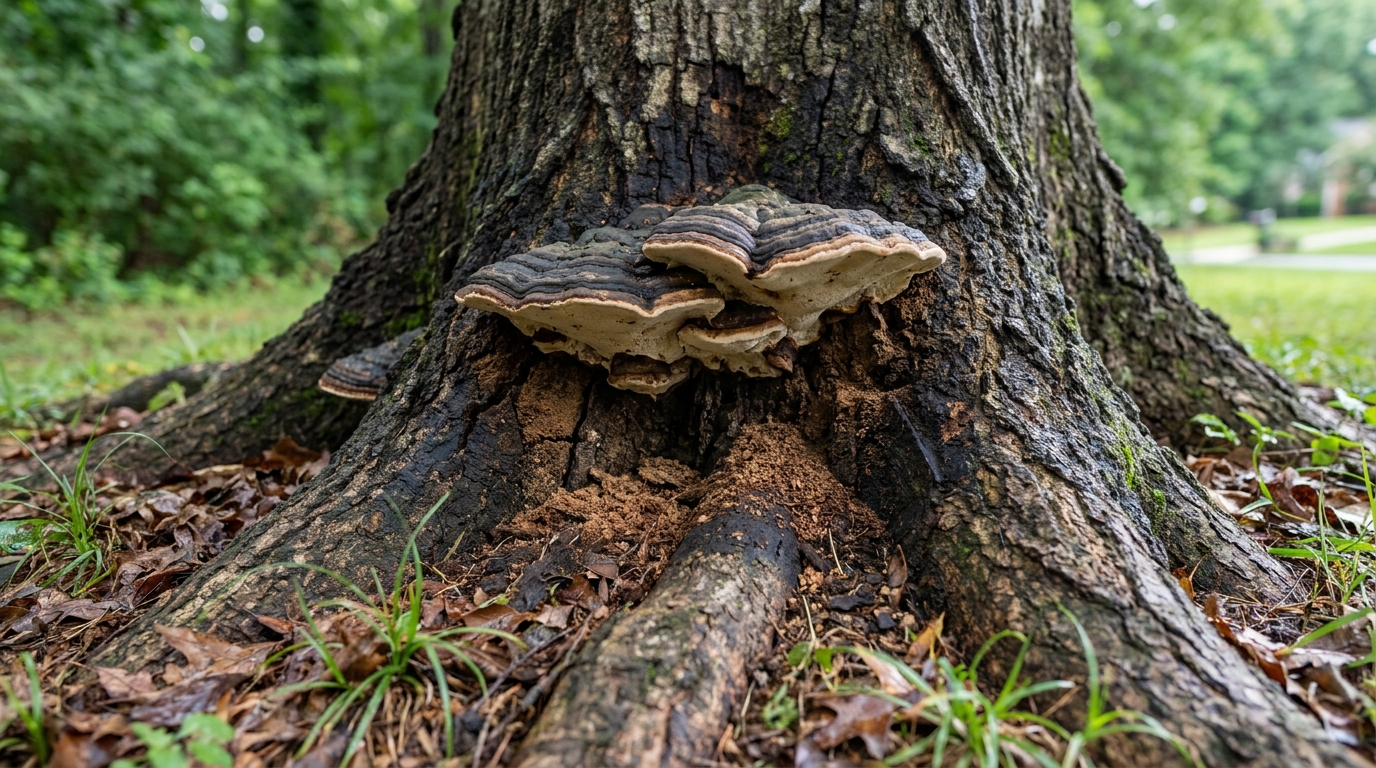
Biscogniauxia canker, commonly known as Hypoxylon canker, is an opportunistic fungal disease that preys on hardwood trees already weakened by other stressors. Oaks are particularly susceptible, especially red oaks, but maple, sycamore, beech, elm, and hickory can also be affected. The fungus, Biscogniauxia atropunctata, is often present in healthy trees without causing harm, but once a tree experiences stress (such as drought, injury, soil compaction, or nutrient deficiencies), the fungus invades the sapwood, leading to rapid decay. Visible symptoms include a thinning crown, branch dieback, and the sloughing off of bark, revealing distinctive tan, olive green, reddish-brown, or black powdery spore-bearing mats (stromata) beneath. These mats eventually turn silver-gray. The NC State Extension emphasizes that maintaining tree vigor through proper care is the only effective management tactic, as infected trees typically die quickly once the fungus becomes active.
Proactive Tree Health Strategies for Charlotte Homeowners
Preventing common tree diseases in Charlotte, NC, is often more effective than treating them. Implementing proactive strategies can significantly enhance the resilience and longevity of your urban canopy:
- Proper Watering: Ensure trees receive adequate water, especially during dry spells. Deep, infrequent watering is generally better than shallow, frequent watering.
- Mulching: Apply a 2-4 inch layer of organic mulch around the base of trees, keeping it a few inches away from the trunk. This helps retain soil moisture, regulate temperature, and reduce competition from weeds.
- Pruning: Regular, appropriate tree trimming and pruning removes dead, diseased, or damaged branches, improving air circulation and reducing entry points for pathogens.
- Species Selection: Choose tree species that are well-suited to Charlotte's climate and soil conditions, and consider disease-resistant varieties. Planting a diverse range of native trees can also reduce the impact of species-specific diseases.
- Soil Health: Avoid soil compaction and ensure good drainage. Consider amending heavy clay soils with organic matter to improve structure.
When to Call Clark's Tree Care: Expert Diagnosis, Treatment & Emergency Services
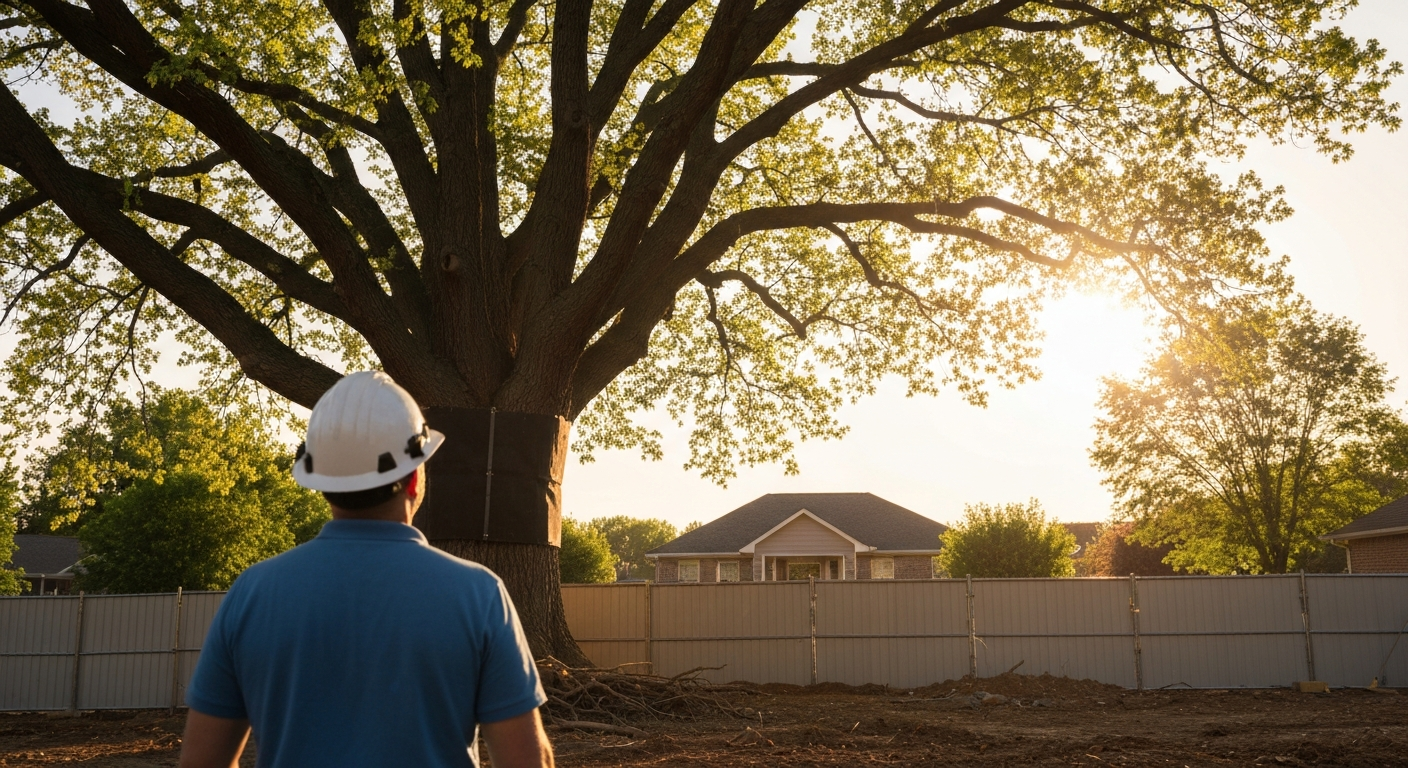
While proactive care goes a long way, some tree diseases require professional expertise. If you observe persistent or rapidly worsening symptoms, unusual fungal growths, significant branch dieback, or any changes that concern you, it's time to call in certified arborists. Clark's Tree Care LLC can provide expert diagnosis, recommend appropriate treatment plans, and offer specialized services like disease management, hazardous tree removal, or emergency tree services to protect your property and the health of your trees.