Common Tree Diseases in Charlotte, NC: Clark's Tree Care's Essential Guide to Spotting, Preventing, and Treating
Introduction: Protecting Charlotte's Lush Canopy with Clark's Tree Care
Maintaining the health and beauty of Charlotte's urban forest requires vigilance against a range of common tree diseases in Charlotte, NC. From fungal infections to root-destroying pathogens, these threats can quickly compromise the vitality of our beloved trees. Clark's Tree Care is dedicated to helping homeowners and businesses understand, identify, and combat these prevalent issues to safeguard the lush canopy that defines our city.
Understanding Charlotte's Unique Tree Environment: Local Factors & Disease Risks
Charlotte's climate and soil conditions create a unique environment that can predispose trees to certain diseases. The region experiences warm, humid summers and mild winters, which are ideal for the proliferation of many fungal and bacterial pathogens. Furthermore, the prevalence of heavy clay soil, common throughout North Carolina, significantly impacts tree health by affecting drainage and aeration around tree roots. This dense soil can become waterlogged, stressing root systems and making trees more susceptible to disease. Factors contributing to tree stress and disease risk include:
- Soil Composition: Heavy clay soil retains moisture, potentially leading to root suffocation and creating an anaerobic environment favored by certain pathogens.
- Climate: High humidity and warm temperatures create a conducive breeding ground for many fungi and bacteria.
- Tree Species Selection: Planting species not well-suited to local conditions can increase vulnerability to native diseases.
- Environmental Stressors: Drought, improper watering, construction damage, and poor pruning practices weaken trees, making them easy targets for opportunistic pathogens.
Common Tree Diseases in Charlotte, NC: Identifying the Major Threats
Awareness is the first step in effective disease management. Here, we delve into some of the most common tree diseases impacting Charlotte's landscape, detailing their symptoms and potential harm.
Phytophthora Root Rot: The Silent Killer in Charlotte's Clay Soil
Often referred to as a "water mold," Phytophthora is a genus of plant-pathogenic oomycetes that thrives in poorly drained, waterlogged soils. It is particularly problematic in Charlotte's heavy clay soils, where roots can easily become suffocated. Symptoms of Phytophthora root rot mimic drought stress, including yellowing leaves, wilting, sparse foliage, and progressive decline in tree vigor. A key diagnostic sign is often a reddish-brown discoloration of the inner bark and roots. In severe cases, particularly with young trees, rapid death can occur. Effective management focuses on improving soil drainage, avoiding overwatering, and selecting resistant plant species. For Christmas trees like Fraser firs, yellowing needles starting from the lowest branches are a common sign, often indistinguishable from grub damage without laboratory testing.
Seiridium Canker: Protecting Your Leyland Cypress from Decline
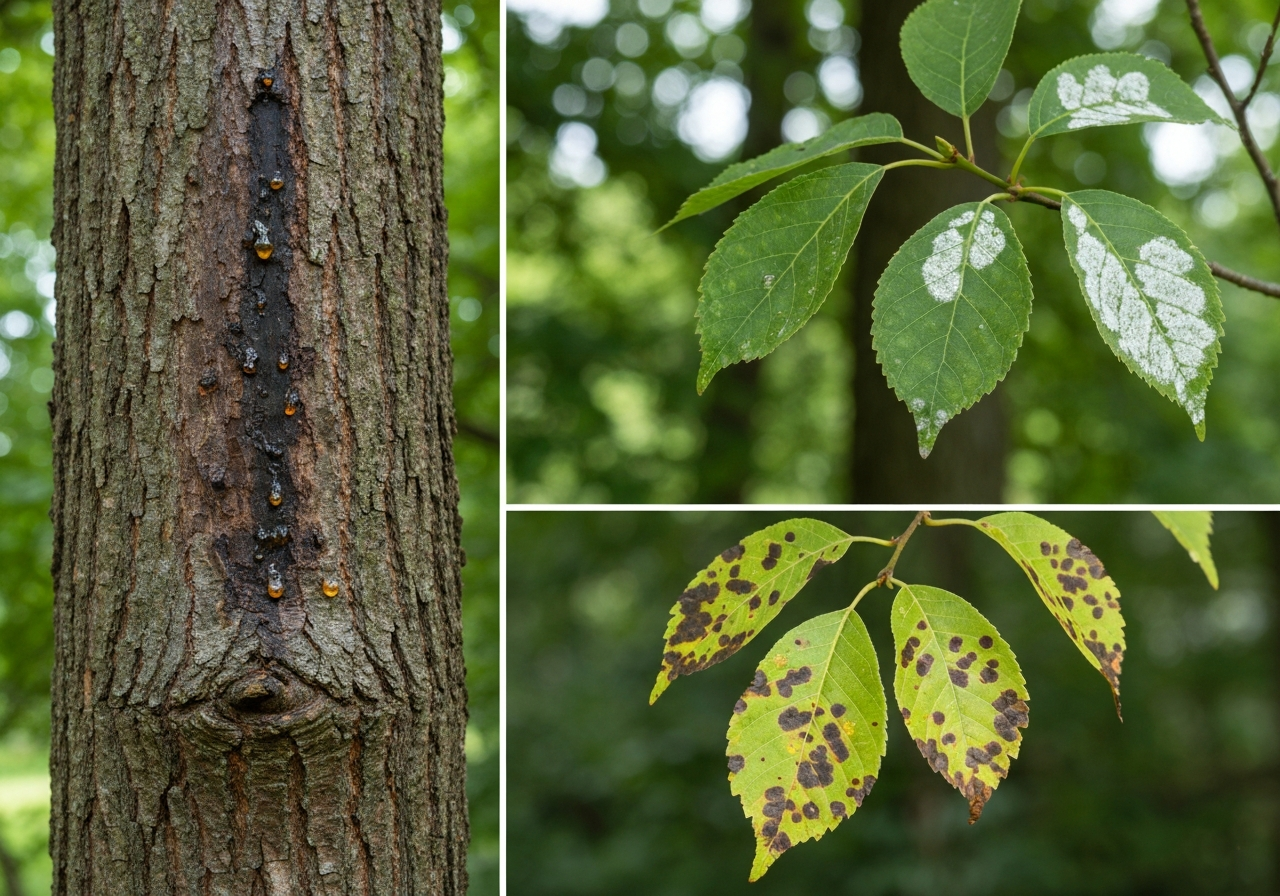
Leyland cypress is a popular evergreen in many Charlotte landscapes, prized for its fast growth and screening capabilities. However, it is highly susceptible to Seiridium canker, a destructive fungal disease. This disease causes dark, sunken lesions on stems and branches, often accompanied by resin flow from cracks in the bark. Foliage on infected branches turns yellow to reddish-brown and eventually dies back. Stress factors like drought or physical injury increase susceptibility. Prevention strategies include proper spacing for air circulation, adequate irrigation during dry periods, and pruning out diseased branches well below the infected tissue. Disinfecting pruning tools between cuts is crucial to prevent spread. This disease, along with Botryosphaeria dieback and Passalora needle blight, represents significant threats to Leyland cypress health in the region.
Anthracnose: A Widespread Fungal Nuisance for Shade Trees
Anthracnose refers to a group of fungal diseases that commonly affect hardwood trees such as oaks, maples, sycamores, and dogwoods—all abundant in Charlotte. Symptoms often appear in spring and early summer, especially during cool, wet weather. It typically manifests as irregular brown or black spots on leaves, often along the veins, which can cause leaves to shrivel and drop prematurely. While generally not lethal to mature trees, severe infections can cause significant defoliation and weaken the tree. Management includes raking and destroying fallen leaves in the autumn to reduce fungal inoculum and pruning to increase air circulation within the canopy. For more specific details on identifying and managing this nuisance, NC State Extension offers a comprehensive guide on Anthracnose.
Oak Wilt: A Rapidly Spreading and Potentially Deadly Disease
Oak wilt, caused by the fungal pathogen *Bretziella fagacearum*, is a serious concern for oak species, particularly those in the red oak group. It is considered one of the most damaging diseases of oaks in the United States. Symptoms include rapid wilting and browning of leaves, often starting from the top of the canopy and progressing downward. Red oaks can die within weeks or months of infection. The disease spreads primarily through root grafts between nearby trees and by sap-feeding beetles carrying spores to fresh wounds on healthy trees. Preventing new wounds, especially in spring when trees are most vulnerable, and avoiding the transport of infected firewood are crucial for controlling its spread. More detailed information on this destructive disease can be found from Don't Move Firewood, which emphasizes prevention.
Powdery Mildew: Recognizing and Managing This Common Blight
Powdery mildew is a ubiquitous fungal disease easily recognized by the white or grayish powdery patches that appear on the surface of leaves, stems, flowers, and fruit. It affects a wide range of ornamental plants and trees, including oaks, dogwoods, and crape myrtles. While rarely fatal, severe infections can cause leaf distortion, yellowing, premature leaf drop, and may even hinder flower and fruit development. The fungus thrives in warm days followed by cool, humid nights, often appearing in late summer and early fall. Cultural practices such as ensuring good air circulation through proper plant spacing and pruning, along with selecting resistant cultivars, are key preventive measures. NC State Extension provides specific advice on managing powdery mildew on crape myrtles.
Hypoxylon Canker: When Stress Turns Fatal for Your Trees
Biscogniauxia canker, formerly known as Hypoxylon canker, is an opportunistic fungal disease that primarily affects stressed hardwood trees, especially oaks. The pathogen is often latent in healthy trees but becomes aggressive when a tree is weakened by factors like drought, injury, or poor site conditions. Symptoms include thinning of the crown, branch dieback, and eventually, the formation of characteristic fungal mats (stromata) beneath the bark, causing bark to slough off. These stromata initially appear reddish-brown or tan and powdery, hardening to black, and eventually turning gray after spore release. Once visible, tree death can occur rapidly. Managing Biscogniauxia canker relies on maintaining tree vigor through proper care, including adequate watering during dry spells and avoiding physical damage.
Proactive Strategies for a Healthy Charlotte Landscape
Preventative measures are always the most effective way to protect your trees from common diseases. Incorporate these strategies into your landscape maintenance routine:
- Proper Planting: Ensure trees are planted in well-drained soil suitable for their species. Avoid planting too deeply, which can lead to root issues.
- Appropriate Watering: Provide consistent, deep watering during dry periods, especially for young trees. Avoid overwatering, particularly in clay soils, to prevent root rot.
- Strategic Pruning: Regular tree trimming and pruning by qualified professionals improve air circulation within the canopy, remove dead or diseased limbs, and enhance overall tree structure, reducing disease risk.
- Mulching: Apply a 2-4 inch layer of organic mulch around the base of trees, keeping it a few inches away from the trunk. This helps retain soil moisture, regulate temperature, and reduce competition from weeds.
- Species Selection: Choose tree species and cultivars known to be resistant to prevalent local diseases and well-adapted to Charlotte's climate and soil conditions.
- Sanitation: Promptly remove and dispose of fallen diseased leaves, branches, and fruits to reduce the overwintering inoculum of pathogens.
When to Call Clark's Tree Care: Expert Diagnosis and Professional Solutions
While preventative care is vital, some tree diseases require professional intervention. If you notice any of the following signs, it's time to consult with experts:
- Sudden or rapid decline in tree health.
- Unusual growths, cankers, or oozing sap on the trunk or branches.
- Extensive discoloration, wilting, or premature leaf drop.
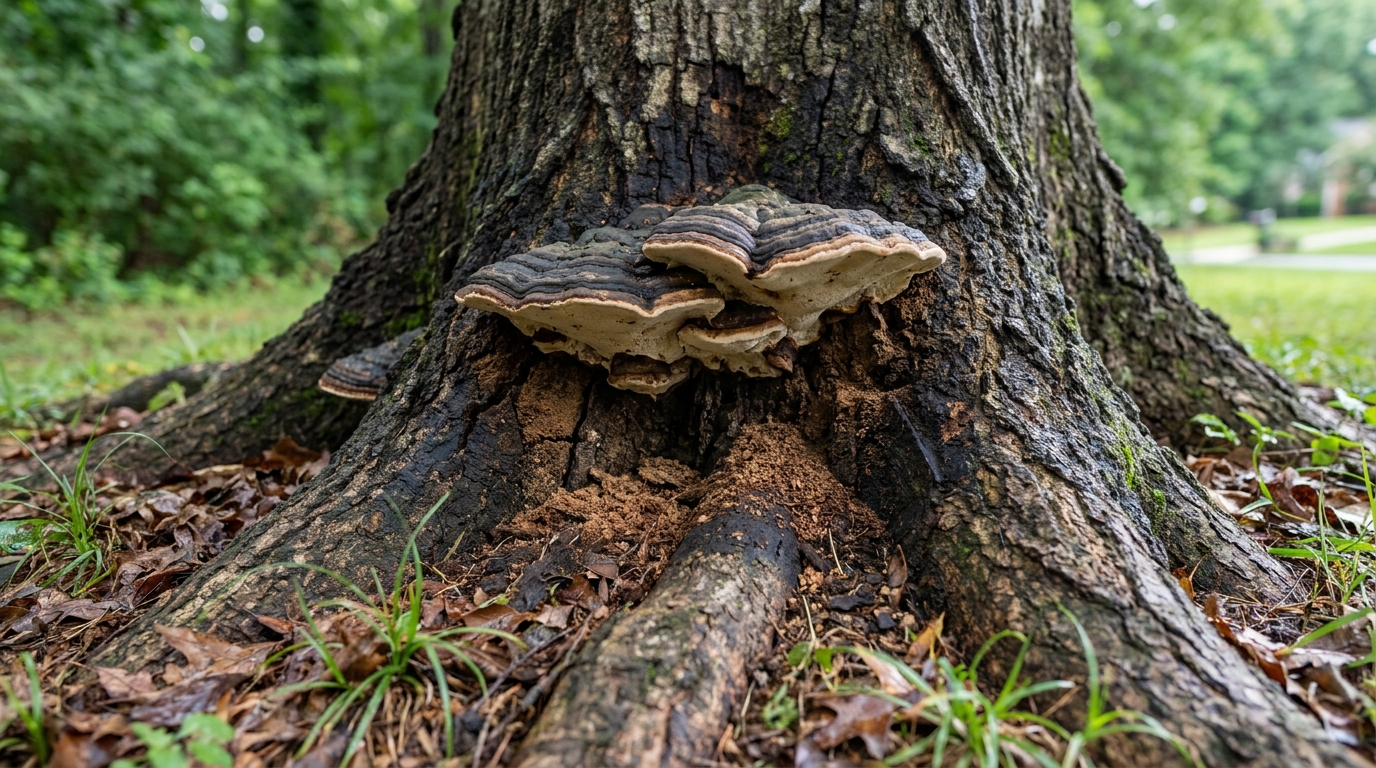
- Visible fungal structures like mushrooms, conks, or powdery/sooty coatings.
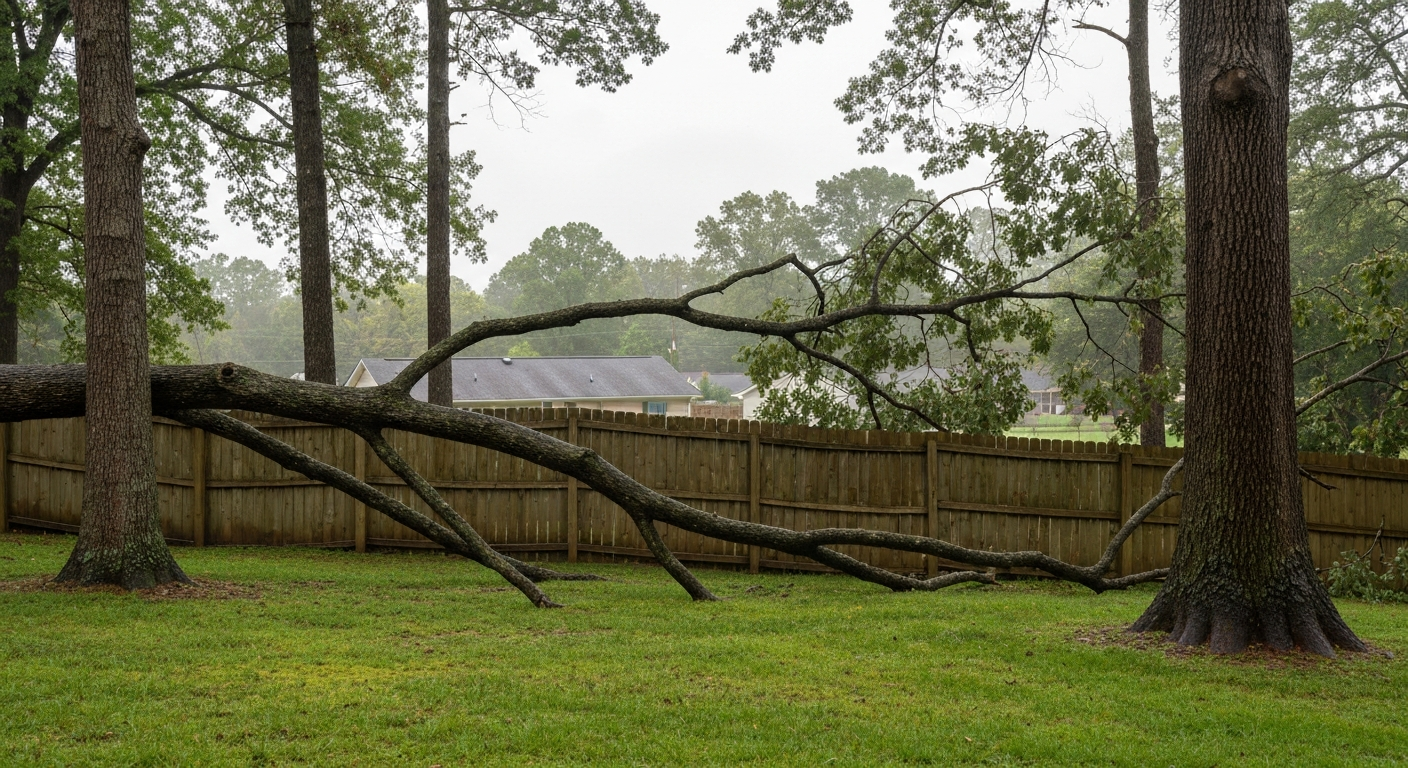
- Trees showing signs of structural weakness or leaning.
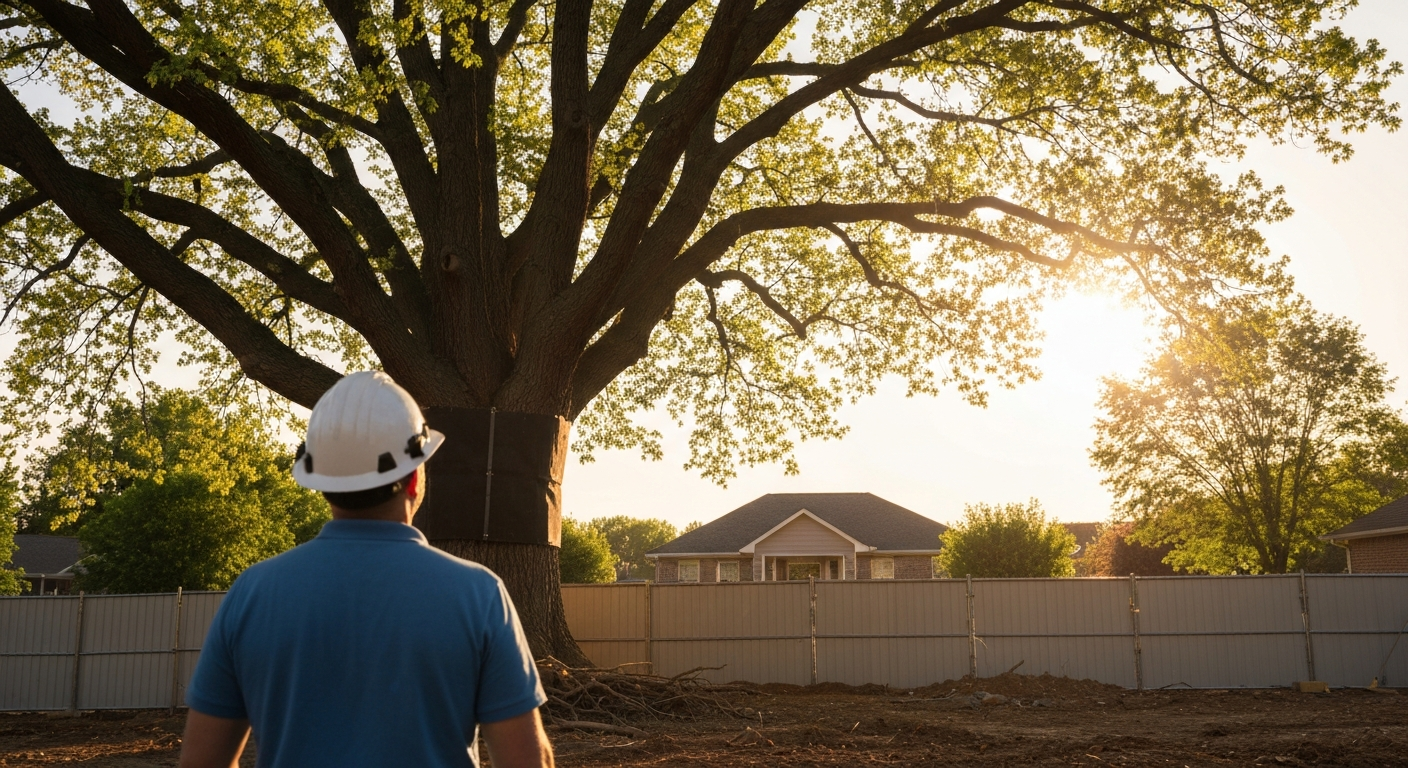
Clark's Tree Care offers comprehensive tree removal, stump grinding, and emergency services throughout the Charlotte metropolitan area. Our certified arborists can accurately diagnose tree diseases, recommend the most effective treatment plans, and provide professional care to restore your tree's health or safely remove irreparably damaged trees. Timely diagnosis and intervention can prevent further spread and save your valuable landscape assets.
Frequently Asked Questions About Tree Health in Charlotte
What are the most common signs of a sick tree?
Common signs include discolored or wilting leaves, premature leaf drop, dead branches, abnormal growths (cankers, galls), fungal structures on bark or soil, and overall decline in vigor.
Can I treat tree diseases myself?
While some minor issues can be managed with home remedies or careful pruning, many serious tree diseases require professional diagnosis and treatment. Improper treatment can cause more harm. Consulting with a certified arborist is always recommended for significant concerns, as highlighted in our Frequently Asked Questions section.
How can I prevent diseases in my trees?
Key prevention strategies include proper planting, adequate watering, regular and correct pruning, mulching, and selecting disease-resistant tree species. Good sanitation practices, like removing diseased plant debris, also play a crucial role.
When is the best time to prune trees to prevent disease?
Generally, late winter to early spring, before new growth begins, is ideal for most species to prevent disease spread and minimize stress. However, dead or hazardous branches should be removed immediately, regardless of the season.
What should I do if my tree has oak wilt?
Oak wilt is a serious and rapidly spreading disease. If you suspect your oak has oak wilt, contact a qualified arborist immediately. Management often involves professional diagnosis, removal of infected trees, and severing root grafts to prevent further spread.
For more insights into maintaining a healthy landscape and addressing tree concerns, explore the Clark's Tree Care blog.