Crucial Tree Removal Red Flags: What Every Homeowner Needs to Know for Safety
Protecting Your Property with Vigilant Tree Care
As a homeowner, being proactive about tree health is paramount to protecting your property and ensuring safety. Regularly inspecting your trees for subtle yet crucial changes can prevent minor issues from escalating into dangerous and costly emergencies. Understanding the key tree removal red flags allows you to act swiftly, safeguarding your home, family, and even your neighbors from potential hazards. While trees enhance natural beauty and provide numerous benefits, neglecting warning signs can lead to severe damage, especially during storms or high winds. Early detection and professional assessment are essential for maintaining a safe and healthy environment.
Crucial Tree Removal Red Flags: What Every Homeowner Must Know
Trees rarely fail without warning. Many common issues, from disease to structural compromise, present observable signs long before a catastrophic event occurs. Recognizing these indicators is the first step in responsible tree care. These red flags often manifest in the tree's branches, trunk, and root system, requiring careful observation to identify.
Visible Signs of Disease and Pest Infestation
Disease and pest infestations can severely weaken a tree, making it a prime candidate for removal. Keep an eye out for these telltale signs:
- Crown Dieback: The gradual death of branches starting from the tips of the crown, indicating a struggle for nutrients or water.
- Discolored or Misshapen Leaves: Leaves that are unusually small, discolored (yellow, brown, or black spots), or prematurely changing color and dropping are often signs of stress or disease.
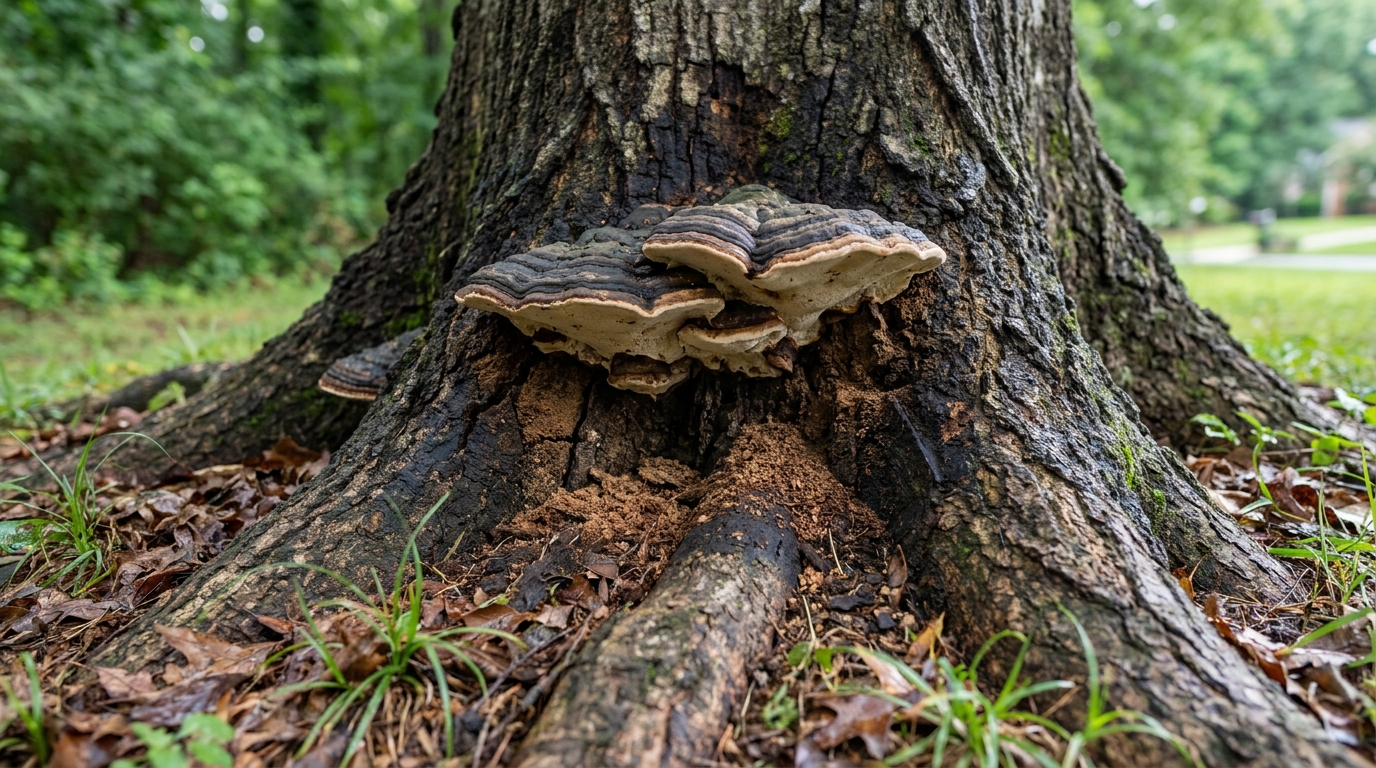
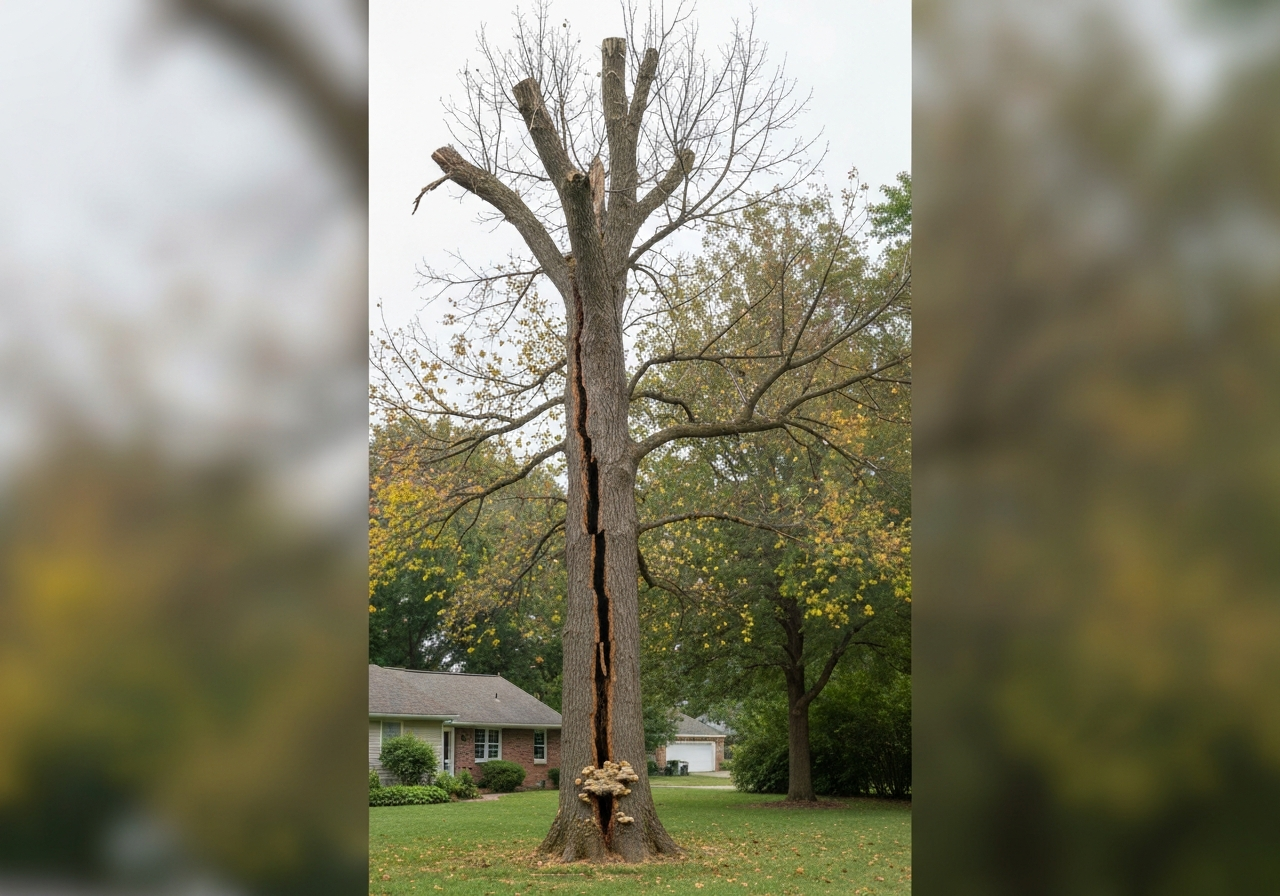
- Fungi and Mushrooms: The presence of mushrooms or other fungal growth, especially at the base of the tree or on the trunk, often signifies internal decay. A specific warning sign is the Kretzschmaria deusta fungus, which appears as a gray or white crust before maturing into a charcoal-like mass.
- Emergence Holes and Galleries: Small holes in the bark or sawdust trails can indicate wood-boring insects, while heavy woodpecker activity might suggest a significant pest problem within the tree.
- Upright Shoots: Known as epicormic shoots, these sprouts at the base or higher on the trunk signal that the tree is under severe stress.
Compromised Structure: Cracks, Splits, and Hollow Trunks
Structural integrity is vital for a tree's stability. Any compromise can turn a majestic tree into a severe hazard:
- Cracks or Splits: Deep splits in the tree's bark or visible cracks in the trunk or major limbs are clear signs of weakness and potential failure.
- Large Wounds and Dead Branch Stubs: Open wounds or old, dead branch stubs can serve as entry points for decay organisms, leading to internal rot.
- Hollow Trunks: A tree with a hollow trunk has severely compromised structural integrity. If a third or more of the tree's diameter is hollow or rotted, it poses a significant risk.
- Multiple Trunks (Leaders): Trees with multiple main trunks can develop structural issues over time, especially if they are not properly maintained or if one leader starts to fail.
Stem wounds exceeding 50% of the tree's diameter are particularly serious, as they may hinder the tree's ability to transport nutrients and water, potentially leading to decline and making the tree hazardous.
Root System Issues and Unhealthy Growth Patterns
A tree's root system is its anchor and lifeline. Problems here can be less visible but just as critical:
- Heaving Soil and Fungi at the Base: These can indicate significant root decay or root defects that compromise the tree's stability.
- Girdling Roots: Roots that encircle the base of the trunk can choke off the flow of water and nutrients, leading to a decline in the tree's health, often manifesting as sparse foliage and dieback in the crown. Norway maples are particularly susceptible to this issue.
- Surface Roots: While sometimes natural, exposed surface roots can be a tripping hazard and easily injured. Covering them improperly can suffocate the tree, while removing them can cause stress. Mulching is often the best solution.
- Construction Damage: Building activities can severely impact roots through direct wounds, soil compaction, or changes in grade, leading to stress, decline, or even death years later. Damage to more than 40% of the root system often proves fatal.
Location Hazards: Trees Near Power Lines and Structures
The location of a tree can inherently make it a hazard, even if it appears healthy. Trees that are too close to power lines, homes, or other structures pose significant risks:
- Proximity to Power Lines: Trees growing into or near power lines can cause outages, property damage, or even electrocution. Utility companies like PG&E, Rocky Mountain Power, and Oncor emphasize strict clearance requirements and the necessity of professional intervention for any tree work in these areas.
- Overhanging Structures: Large branches extending over roofs, decks, driveways, or play areas can cause significant damage if they fall.
- Risk to Foundations: While roots rarely directly damage foundations, they can contribute to soil subsidence in drought-prone areas, leading to structural issues if foundations are shallow.
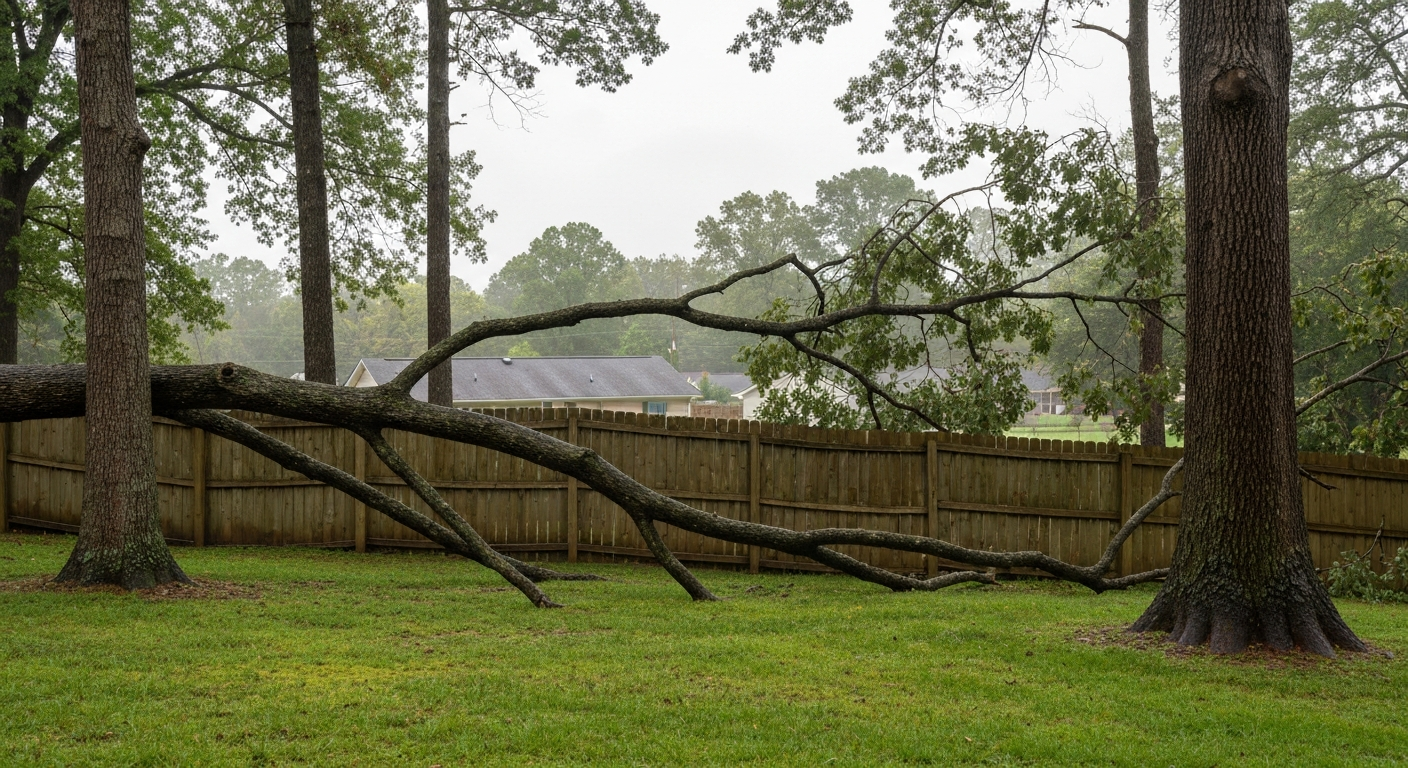
- Storm Vulnerability: Certain species, such as white pines when isolated, and Norway maples known for "sudden limb drop," are more prone to failure during high winds and heavy snow.
The Dangers of Neglect: Why Timely Removal is Key to Safety
Ignoring tree removal red flags can have severe consequences. A dead or compromised tree isn't just an eyesore; it's a ticking time bomb. The financial costs can be staggering, encompassing property damage (roofs, cars, fences, utility lines), and the immeasurable cost of personal injury. Proactive measures, including regular inspections, can prevent many sudden tree failures. Homeowners are often held responsible for damage or injury caused by trees that should have been removed but were left standing.
Attempting DIY removal of a hazardous tree is extremely dangerous and rarely advised. Professional tree removal is rated among the most dangerous professions globally for a reason, requiring specialized equipment, training, and safety protocols.
When to Call Clark's Tree Care LLC: Your Local Experts
When you spot any of these tree removal red flags, it's time to call in the professionals. Clark's Tree Care LLC provides comprehensive tree removal services for homeowners in Waxhaw, NC, and the greater Charlotte area. Our team is equipped to handle:
- Hazardous Tree Removal: Safely removing dead, dying, or storm-damaged trees that threaten your property.
- Emergency Takedowns: We offer 24/7 emergency services for immediate response to storm-damaged or fallen trees.
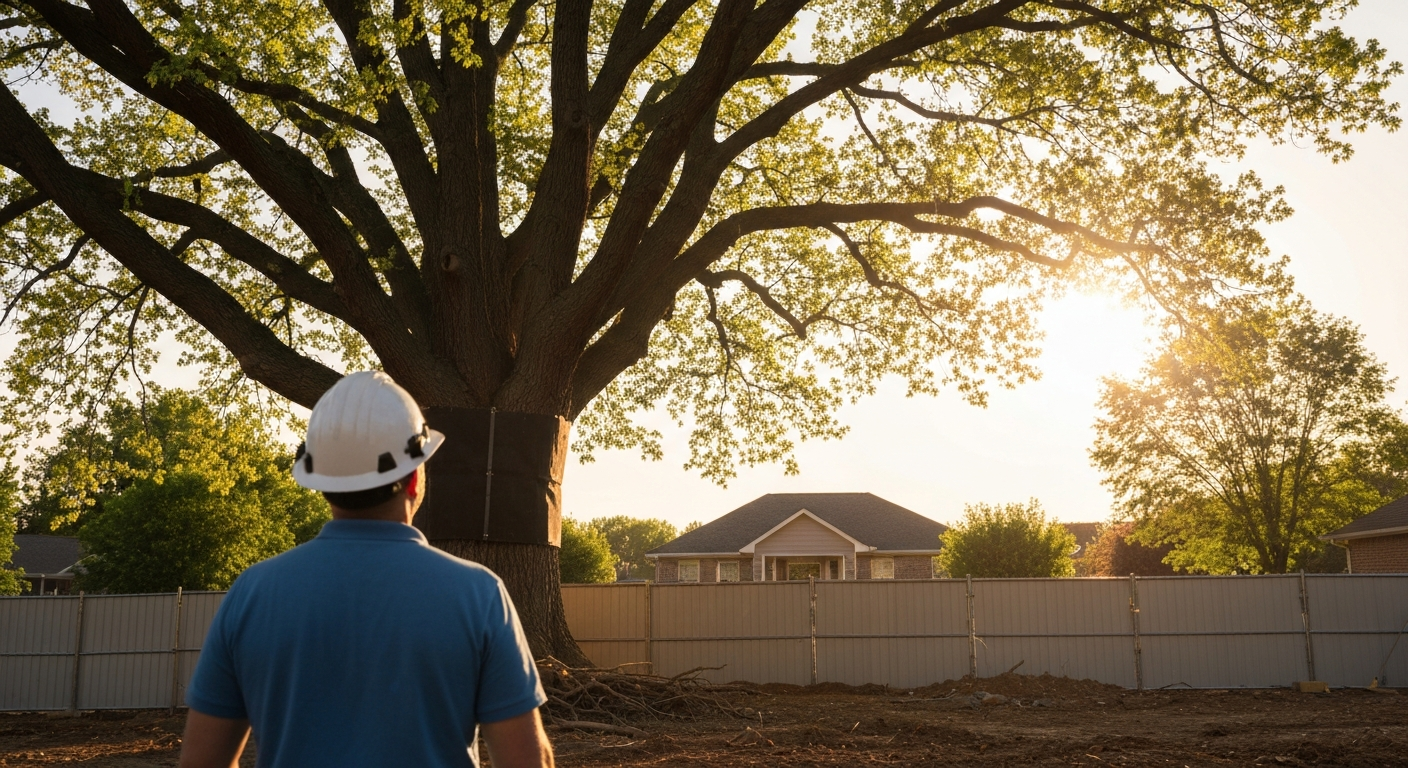
- Large Tree Specialists: Utilizing crane-assisted tree removal for precision and minimal property impact, especially for large trees or those in tight spaces.
- Lot Clearing: Efficient removal of multiple trees for new construction or landscaping projects.
- Stump Removal: Our service includes grinding stumps 6-12 inches below grade, ensuring a clean finish.
We provide free on-site estimates, are fully licensed and insured, and can work directly with your insurance company for storm damage claims. When evaluating tree service companies, be wary of those demanding large cash payments upfront or lacking verifiable credentials; instead, prioritize reputable, insured professionals to protect yourself from potential scams.
Prioritizing Safety and Professional Care
Vigilant tree care and prompt action on tree removal red flags are essential for homeowner safety. Regular inspection of your trees' branches, trunks, roots, and proximity to structures and utilities can identify potential hazards early. While preservation is often a goal, knowing when to choose removal is a critical decision that should always prioritize safety. Engaging certified and insured tree care professionals like Clark's Tree Care LLC ensures that complex and dangerous tree removal jobs are handled safely and efficiently, providing peace of mind and protecting your most valuable assets.