Essential Seasonal Tree Care Tips Fall and Winter for a Thriving Landscape
Introduction: Preparing Your Landscape for Fall and Winter
As the vibrant hues of summer fade, fall and winter usher in a crucial period for maintaining the health and longevity of your trees. Implementing effective seasonal tree care tips fall and winter is paramount to ensuring your landscape not only survives the colder months but thrives with renewed vigor in the spring. This guide outlines essential practices to protect your trees from the unique challenges posed by these seasons, from preparing roots for freezing temperatures to safeguarding against winter stresses.Fall Tree Care Essentials: Setting Your Trees Up for Success
The fall season offers a prime opportunity to prepare your trees for the dormant months ahead. This preparatory work can significantly reduce the risk of damage from cold weather, pests, and diseases. Key fall tree care practices include assessing tree health, appropriate pruning, and ensuring adequate hydration and root protection.Pruning for Health and Safety: Removing Dead or Weak Branches
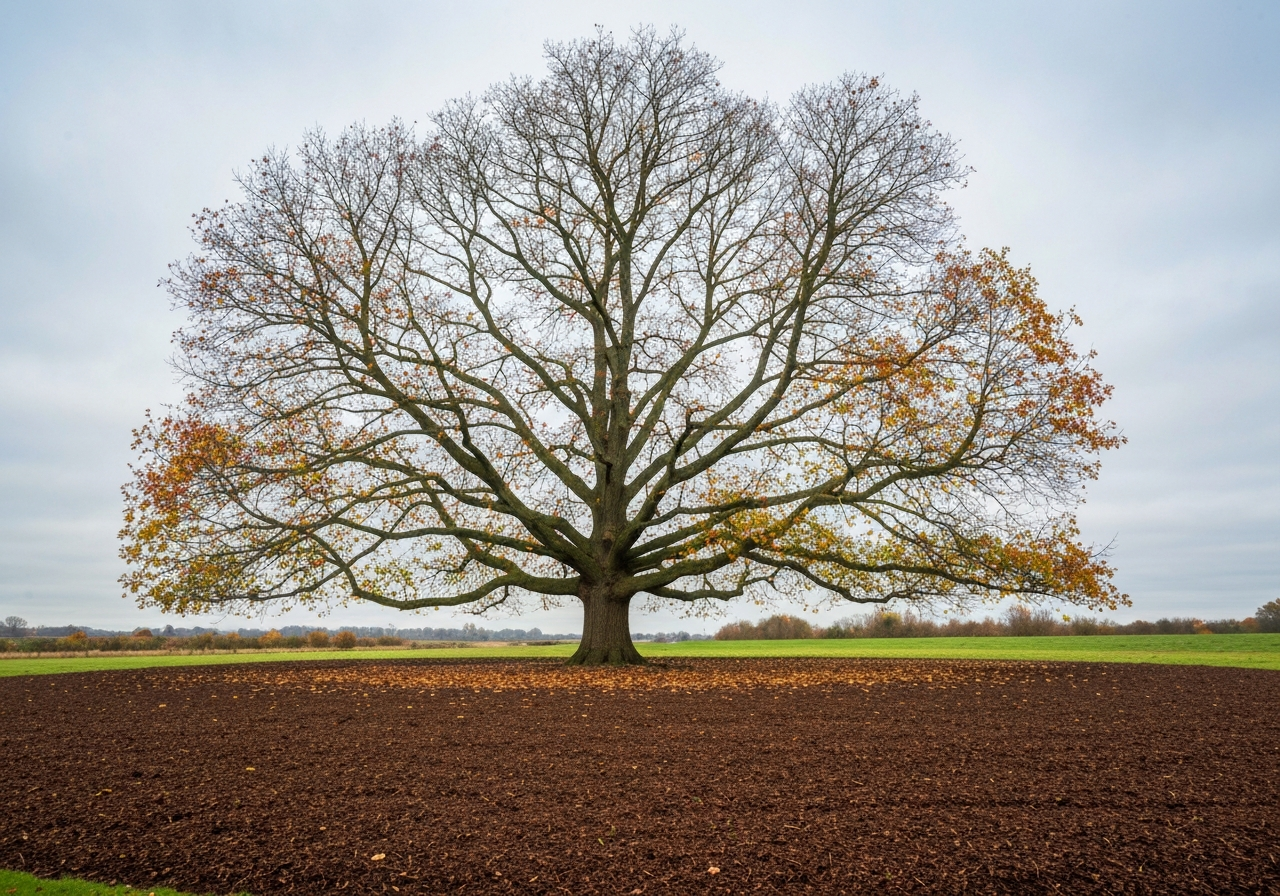
Late fall and winter, during the dormant season, are generally the ideal times for pruning most deciduous trees and shrubs. With leaves gone, the tree's structure is clearer, allowing for more precise cuts and better identification of issues like co-dominant leaders, crossing branches, or weak branch angles. Dormant pruning also minimizes the risk of insect infestation and disease transmission, as pests and pathogens are less active in colder temperatures. The benefits of dormant pruning extend to faster healing for the tree, as it can recover before new growth begins in spring, and improved structural strength to withstand harsh weather.When pruning, focus on removing:- Dead, diseased, or damaged branches.
- Branches that rub together, which can create wounds.
- Downward-growing branches or suckers from the roots and water sprouts from lateral branches.
- Branches with narrow V-shaped attachments, as these are often weak and prone to breakage.
Deep Watering: Hydration Before the Freeze
While trees may appear dormant in fall and winter, their root systems still require moisture. Prolonged dry periods, especially when there's no snow cover, can lead to root damage and overall plant weakening. Colorado State University Extension advises watering trees, shrubs, and perennials when air and soil temperatures are above 40 degrees Fahrenheit and applied during midday to allow for absorption before potential nighttime freezing.Consider these guidelines for effective fall and winter watering:- Frequency: Monitor weather conditions and water once or twice a month during extended dry periods without snow.
- Timing: Water during midday on days above 40°F to ensure the water soaks in before freezing.
- Volume: A general rule for established trees is to apply 10 gallons of water for each inch of the tree's trunk diameter. Newly planted trees and shrubs require more frequent attention.
- Application: Allow water to soak slowly into the soil to a depth of 12 inches, applying it to multiple locations under the dripline.
Mulching Matters: Insulating Roots for Winter
Mulch acts as a protective blanket for tree roots, offering insulation against extreme temperatures and helping to retain soil moisture. Applying mulch in the fall, after several hard frosts when the soil has begun to cool and freeze, is crucial. Applying it too early can trap warmth, hindering the plant's natural hardening-off process for winter.When mulching, remember:- Depth: Spread a 2- to 4-inch layer of organic mulch (wood chips, shredded leaves, pine needles) around the base of trees and shrubs.
- Placement: Create a "donut hole" by keeping mulch 3-4 inches away from shrub bases and 6-12 inches away from tree trunks. This prevents moisture buildup, which can lead to rot and pest issues.
- Benefits: Mulch moderates soil temperatures, reduces moisture loss from evaporation, prevents soil heaving (lifting shallow-rooted plants), and over time, improves soil structure and fertility.
Pre-Winter Pest and Disease Checks
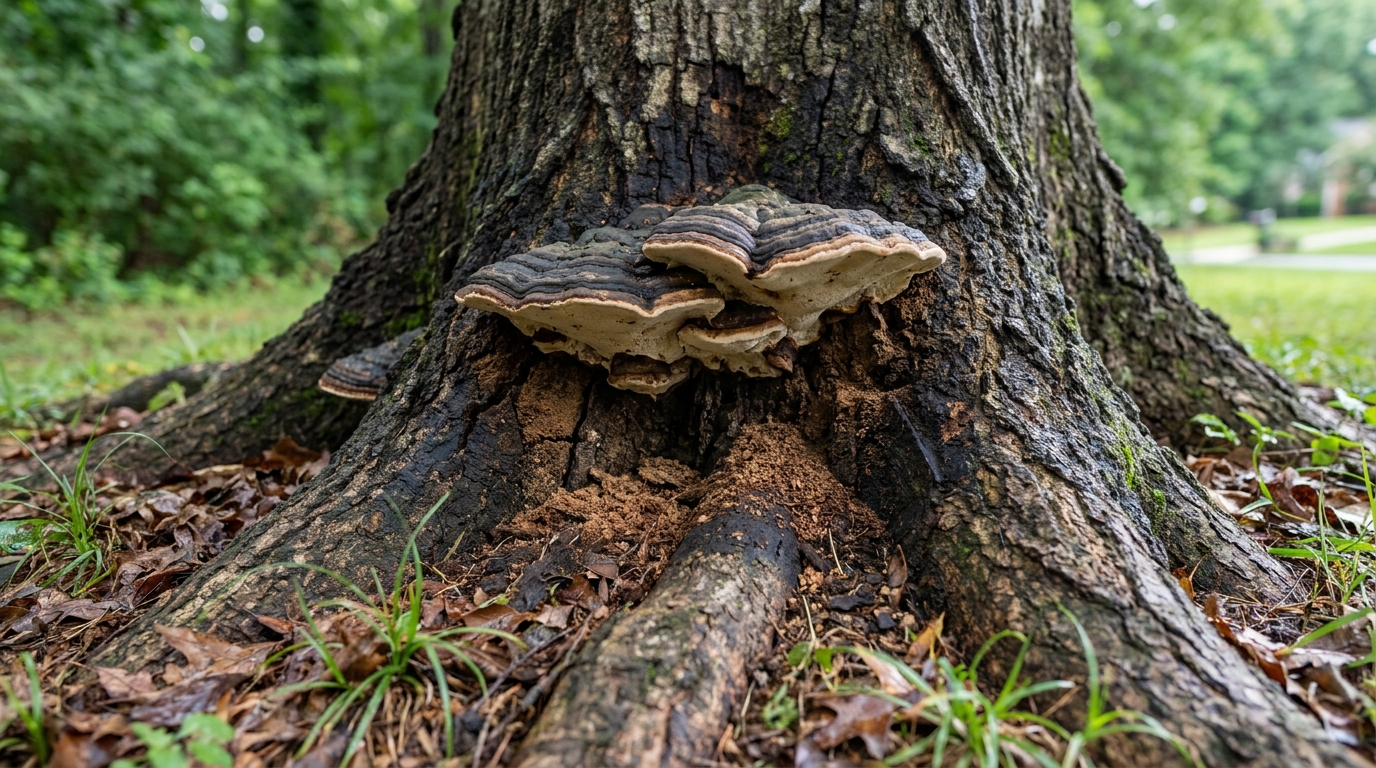
While many pests and diseases are dormant in winter, fall is an opportune time to inspect your trees for any existing issues that could worsen during colder months. Look for signs of insect activity, cankers, or unusual growths. Early detection and intervention can prevent significant problems. Pruning out dead or diseased branches, as discussed earlier, also plays a crucial role in removing potential hiding spots for pests and sources of infection.Winter Tree Care: Protecting Against the Harshest Season
Winter brings its own set of challenges, including heavy snow, ice, and fluctuating temperatures. Proactive measures can mitigate damage and help your trees endure the season. This includes careful snow removal, proper structural pruning, and awareness of specific vulnerabilities like sunscald.Shielding Young Trees from Winter Stress (Sunscald & Frost)
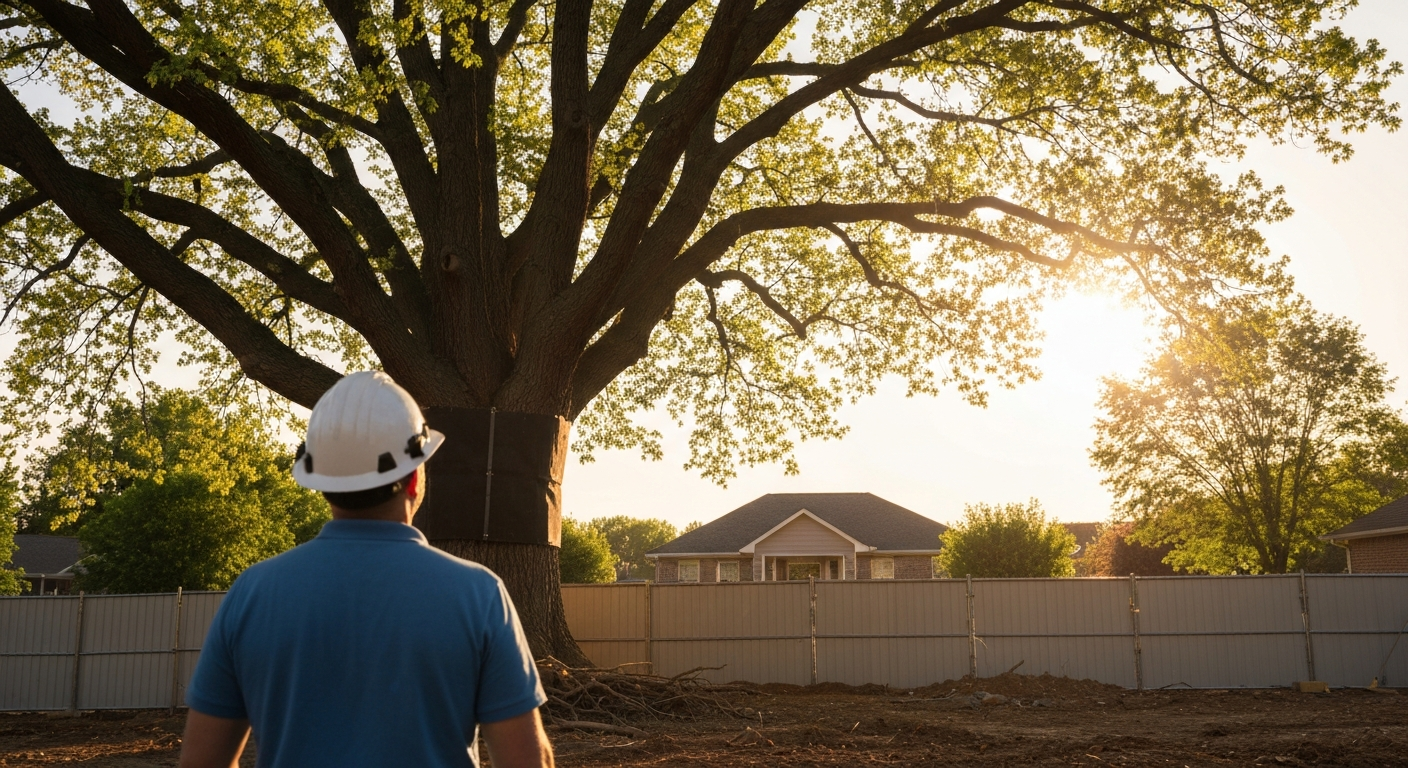
Young, thin-barked trees are particularly susceptible to winter sunscald, a condition caused by rapid temperature fluctuations. On sunny winter days, the sun heats the bark, stimulating activity. When the sun disappears behind a cloud or sets, the bark temperature rapidly drops, damaging or killing active tissue. This can lead to vertical cracks, discoloration, and exposed sapwood.To protect young trees from sunscald and frost damage:- Trunk Protection: Wrap the trunks of susceptible trees with a light-colored tree wrap or plastic tree guard in late fall. These materials reflect sunlight and help maintain a more constant bark temperature. Ensure the wrap is removed in spring to prevent pest harborage. Do not use dark-colored wraps, as they can intensify heat.
- Planting Location: If possible, plant young trees in locations that offer some natural protection from direct winter sun, such as the north or northeast side of a building or a larger tree.
- Hydration and Mulch: Continue to ensure young trees are adequately watered, as moisture stress can increase susceptibility to sunscald. Mulching also helps insulate roots and maintain soil moisture.
Proactive Storm Prep: Identifying & Removing Vulnerable Limbs
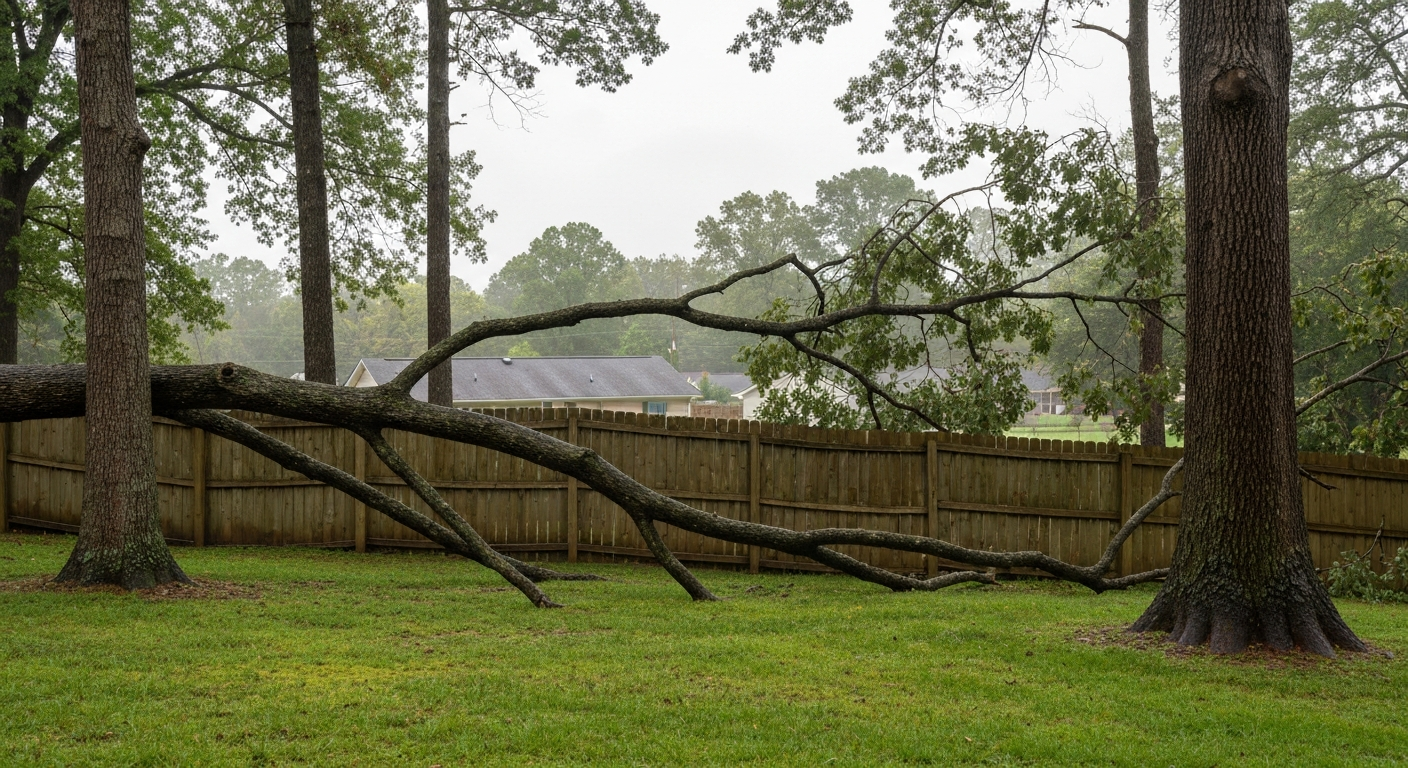
Before winter storms arrive, a proactive assessment of your trees can help prevent significant damage. Identify and address limbs that are:- Weakly Attached: Branches with tight "V" shaped unions are prone to breakage.
- Overhanging Structures: Limbs extending over your home, garage, or driveways pose a significant hazard if they fall.
- Dead or Decaying: These branches are more likely to break under the weight of snow or ice.
Supporting Growth: The Role of Winter Fertilization
While not all trees require annual fertilization, a fall application of slow-release fertilizer can provide a beneficial boost, especially for younger trees or those showing signs of stress. Fall fertilization supports root development during a period when top growth has ceased, helping trees build reserves for a strong spring flush.Consider these aspects of winter fertilization:- Nutrient Balance: Look for fertilizers with a higher phosphorus content (the "P" in NPK) to promote root growth.
- Slow-Release Formulas: These provide a steady supply of nutrients over time, preventing nutrient "shock."
- Application: Granular fertilizers can be raked into the soil around the dripline of the tree, followed by generous watering to help the nutrients penetrate.
Safeguarding Tree Roots from Compaction
Tree roots are vital for nutrient and water absorption, and compaction can severely hinder their function. Heavy snow accumulation and foot traffic on frozen or wet soil can lead to soil compaction, especially around the dripline of trees. To safeguard tree roots:- Avoid Walking on Snow-Covered Roots: Try to minimize foot traffic directly over the root zones of your trees, especially when the ground is covered in deep snow or ice.
- Mulch: A good layer of mulch helps prevent compaction and protects the soil structure.
- Aeration (Post-Winter): Once the snow melts and the ground is no longer saturated, light aeration around the dripline can help improve soil structure and allow roots to breathe.
Beyond DIY: When to Call Clark's for Expert Seasonal Tree Care Tips Fall and Winter
While many seasonal tree care tips fall and winter can be managed by homeowners, certain situations warrant the expertise of certified arborists. Knowing when to call professionals like Clark's Tree Care LLC can prevent further damage, ensure safety, and promote the long-term health of your trees.Consider professional assistance for:- Large Tree Pruning or Removal: If branches are too high to reach safely from the ground, or if large limbs need to be removed, especially near power lines or structures.
- Hazardous Trees: Trees with deep trunk splits, significant lean, or roots lifting from the soil should be assessed by an arborist.
- Pest and Disease Identification: If you observe unusual symptoms of pests or diseases that you cannot identify or treat effectively.
- Storm Damage Cleanup: After severe weather, arborists have the tools and expertise to safely remove damaged limbs and assess the tree's recovery potential.
- Complex Pruning: For specific structural pruning, crown reduction, or to address co-dominant stems, an arborist can ensure proper techniques are used to maintain tree health.
Tags:
24/7 Emergency Tree Services
Arborist Consultation
Avoiding Soil Compaction
Branch Collar Pruning
Clark's Tree Care LLC
Colorado State University Extension
Deep Watering
Dormant Pruning
Fall Tree Care
Forestry Mulching
Landscape Maintenance
Pest and Disease Checks
Professional Tree Care
Professional Tree Pruning
Property Safety
Root Protection
Seasonal Tree Care
Slow-Release Fertilizer
Soil Moisture Retention
Storm Damage Prevention
Structural Integrity
Sunscald Protection
Three-Cut Method
Tree Health
Tree Wrap
Trunk Protection
Vulnerable Limb Removal
Winter Fertilization
Winter Tree Care
Winter Watering