Protect Your Investment: Spotting the Signs of Tree Disease Early
Protecting Your Property's Green Assets: The Value of Healthy Trees
Trees are more than just landscaping; they are valuable assets that enhance property value, provide shade, improve air quality, and contribute to overall well-being. Ensuring their health is crucial for maintaining these benefits. Understanding the signs of tree disease early can protect your investment and the aesthetic appeal of your green space.
Why Early Intervention is Key for Tree Health and Safety
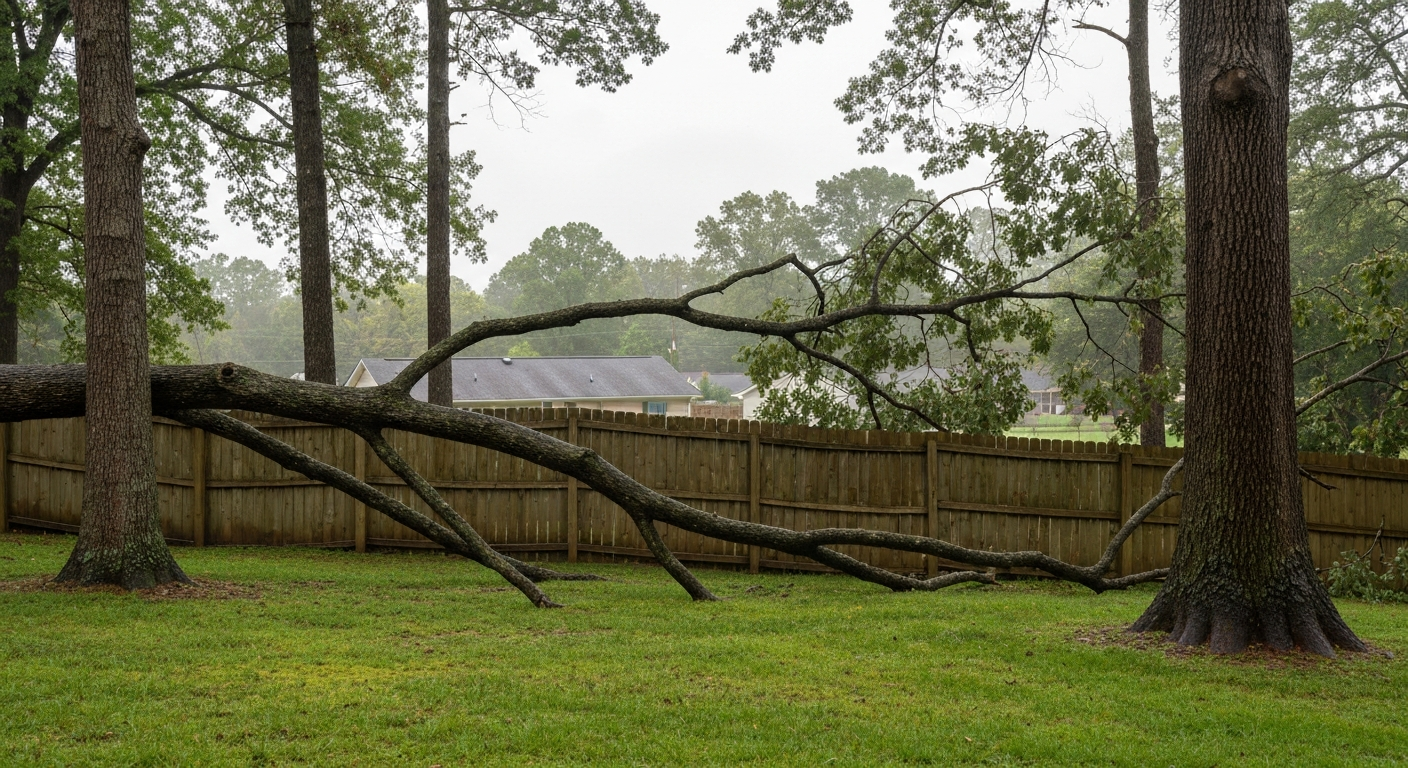
Ignoring early indicators of tree disease can lead to devastating consequences. A minor infection can quickly escalate, compromising a tree's structural integrity, making it susceptible to falling branches or even complete toppling during storms. Early intervention not only increases the chances of successful treatment but also safeguards your property from potential damage and ensures the safety of people and pets. Timely action can prevent the spread of disease to other healthy trees, preserving your entire landscape.
Identifying the Signs of Tree Disease: What to Look For
Recognizing tree diseases often begins with observing changes in a tree's appearance. These changes can manifest in various ways, affecting the leaves, bark, branches, and overall growth pattern. A keen eye and understanding of common symptoms are vital for early detection.
General Indicators of Tree Stress or Disease
- Slowed growth or stunted foliage.
- Premature autumn leaf coloration or excessive cone/seed set.
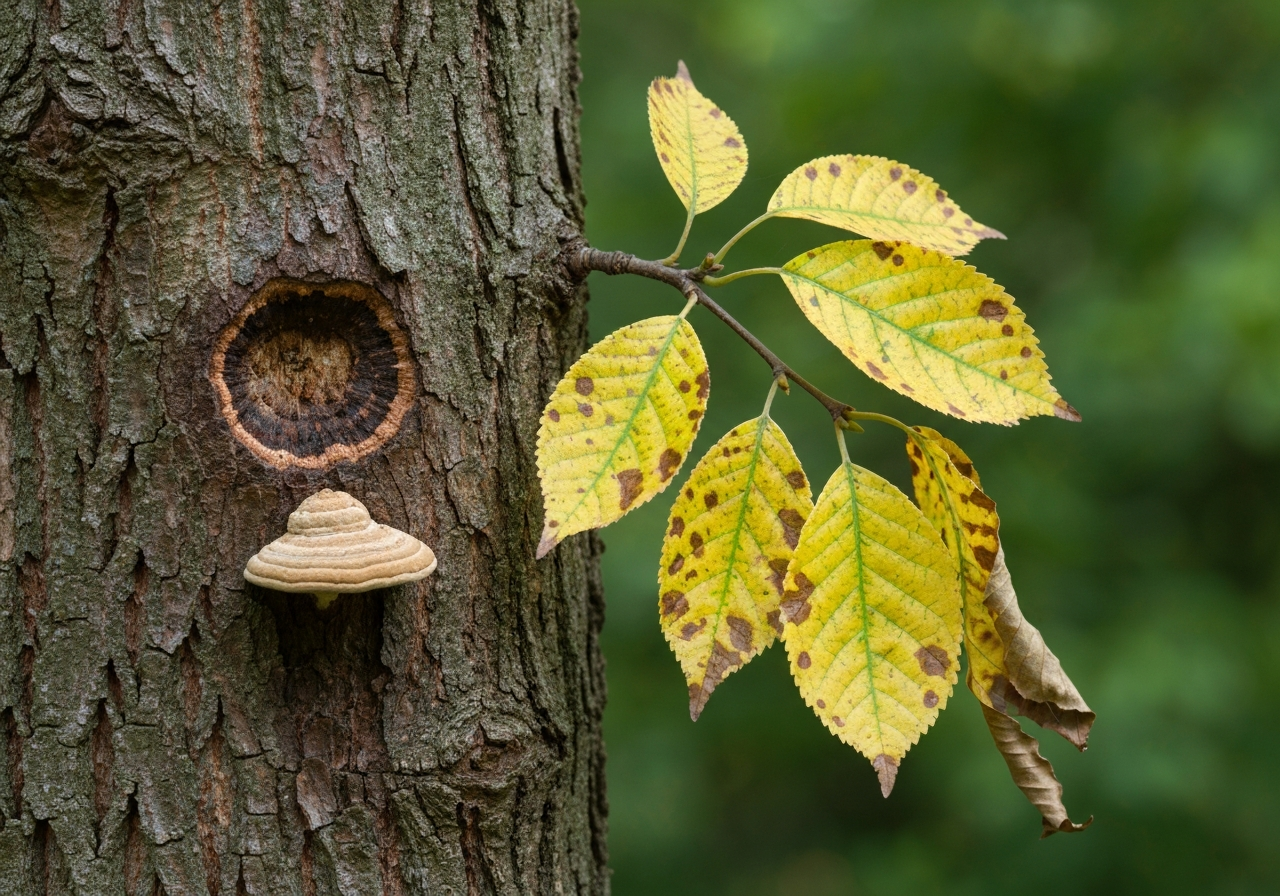
- Unusual leaf spots, discoloration, or defoliation.
- Cracks, cankers, or abnormal growths on the bark.
- Dead or dying branches, especially in the upper crown.
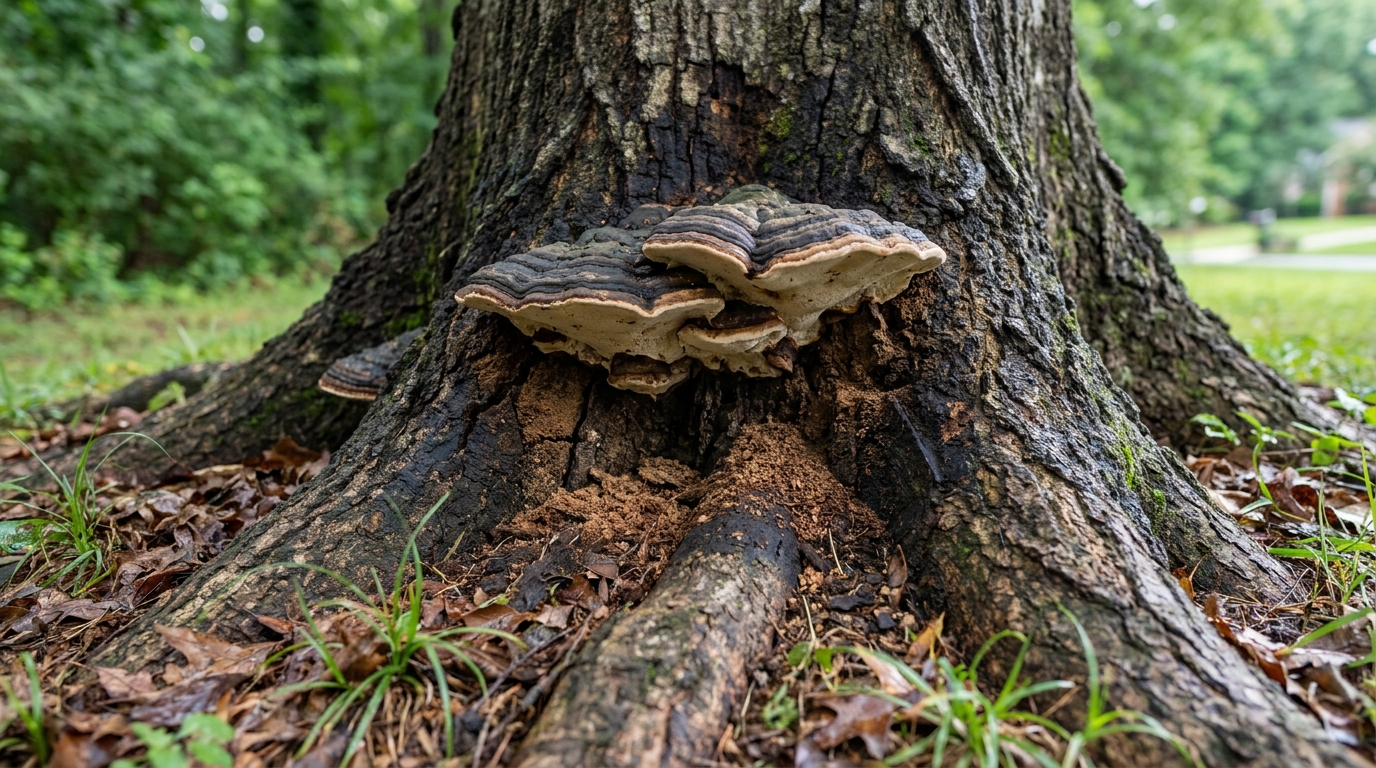
- Fungal growths (mushrooms, conks) on the trunk or roots.
Foliage Fails: Common Leaf Discoloration and Damage
The leaves are often the first place to spot signs of tree disease. Changes in color, texture, and presence of spots can indicate various issues.
- Anthracnose: This fungal disease commonly causes irregular-shaped necrotic areas, often along leaf veins, and can lead to premature defoliation and twig blight. Sycamore and dogwood are particularly susceptible.
- Leaf Spots: Many fungi and some bacteria cause leaf spots, appearing as varied shapes, sizes, and colors—from yellow to black. These often start on lower, inner branches and can lead to premature leaf drop if severe. For instance, leaf spot diseases weaken trees and shrubs by interrupting photosynthesis.
- Rusts: Characterized by yellow spots on the upper leaf surface and small yellow-orange bumps filled with powdery spores on the underside. Poplars, cottonwoods, oaks, and ash are common hosts.
- Powdery Mildew: Easily recognized as white, powdery patches on leaf surfaces, this disease thrives in warm, dry weather and can cause leaf distortion.
- Tar Spot: Common on maples and sycamores, tar spot initially appears as light green or yellow-green spots that develop into thick, black, tar-like structures on the upper leaf surface.
- Leaf Blister: Caused by the fungus *Taphrina caerulescens*, this disease creates puckered, blister-like spots on leaves, often on oaks.
- Needle Casts and Blights: Primarily affecting conifers, these diseases cause discoloration (red to brown, then gray) and premature shedding of needles. Some, like needle casts, have only one infection period per year, while blights can spread throughout the growing season.
Bark Breakdown: Cracks, Cankers, and Fungus on Trunks
The bark acts as a tree's protective skin. Damage or irregularities here are significant signs of tree disease.
- Cankers: Localized areas of dead bark and underlying wood, often sunken, irregularly shaped, and brown to reddish. They can ooze sap and may eventually girdle branches or trunks, leading to dieback. Wounds from pruning or environmental stress often serve as entry points for canker-causing fungi.
- Sooty Bark Disease: Caused by the fungus *Cryptostroma corticale*, this disease leads to blistering and killing of the bark, revealing black, soot-like spore masses underneath. Affected trees may also show dead twigs, wilting leaves, and soft rot. Sooty bark disease can be identified by the accumulation of black soot-like spores within the bark, causing the outer layer to shed.
- Sapstreak: A fatal disease, primarily of sugar maples, caused by *Ceratocystis virescens*. It enters through wounds, causing a streaked stain in the trunk and roots, leading to stunted leaf growth and branch dieback over several years.
- Frost Damage: Sudden drops in temperature can cause the bark to split vertically, exposing the inner wood and making the tree vulnerable to infections.
- Lichen: While generally harmless, an increase in lichen growth can sometimes indicate a tree's decline due to increased sun exposure from thinning canopies.
- Burr Knots and Galls: Burr knots are lumpy growths formed from undeveloped adventitious roots, while galls are tumor-like growths caused by bacteria, fungi, or insect activity. Both can obstruct nutrient flow. Burr knots and galls are common maple tree bark problems.
Branch Woes: Deadwood, Weak Spots, and Unusual Growth Patterns
Branches are critical for a tree's structure and nutrient transport. Problems here can signal serious disease.
- Dieback: Progressive death of twigs and branches, often starting at the tips and moving inward. This can be a symptom of various diseases, including cankers or vascular wilts.
- Wilts: Diseases like Oak Wilt or Dutch Elm Disease are caused by fungi that clog the tree's vascular system, blocking water flow. Symptoms include rapid leaf wilting and discoloration, often leading to swift tree death.
- Unusual Growth: Dense, abnormal clusters of shoots known as "witch's brooms" can be a sign of fungal infections or mistletoe.
- Fruiting Bodies: The presence of mushrooms, conks, or shelf-like structures on branches or the trunk indicates internal wood decay, significantly weakening the tree's structure. These fungi break down wood fibers, making the tree a hazard. Fungi are often involved in tree diseases that result in the tree becoming a hazard.
- Sooty Canker Fungus: This fungus (*Hendersonula toruloides*) causes wilted leaves, small brown leaves, and eventually black cankers on branches and trunks. Early detection and pruning are crucial for control. Sooty canker is a tree disease that can cause damage to trees in warm, dry climates.
You've Spotted Symptoms: Next Steps for a Concerned Homeowner
If you observe any of these signs of tree disease, prompt action can make a significant difference. Start with these immediate steps:
- Monitor: Keep a close eye on the affected areas. Note when symptoms appeared, how quickly they are spreading, and if any environmental factors (like recent weather changes) coincide with their onset.
- Clean Up: Rake and dispose of fallen diseased leaves or branches to reduce the source of infection for the following season. Do not compost diseased material.
- Prune Carefully: For minor infections on small branches, carefully prune out the affected parts using sterilized tools. Make clean cuts several inches below the visible symptoms. Sterilize tools with a bleach solution or rubbing alcohol between cuts to prevent spreading the pathogen.
- Ensure Proper Tree Care: Reduce stress on your tree by ensuring adequate watering during dry periods, applying mulch correctly (keeping it away from the trunk), and avoiding unnecessary wounding.
Beyond DIY: When to Call a Certified Arborist
While some minor issues can be addressed by homeowners, many tree diseases require professional expertise. It's time to call a certified arborist if you notice:
- Large cankers or significant bark damage on the main trunk.
- Extensive deadwood or branch dieback, especially in large branches.
- Fungal fruiting bodies (mushrooms, conks) on the trunk or at the base of the tree.
- Rapid decline or wilting of the entire tree or major sections.
- The tree appears structurally unsound or poses a risk to property or people.
- Uncertainty about the type of disease or the best course of action.
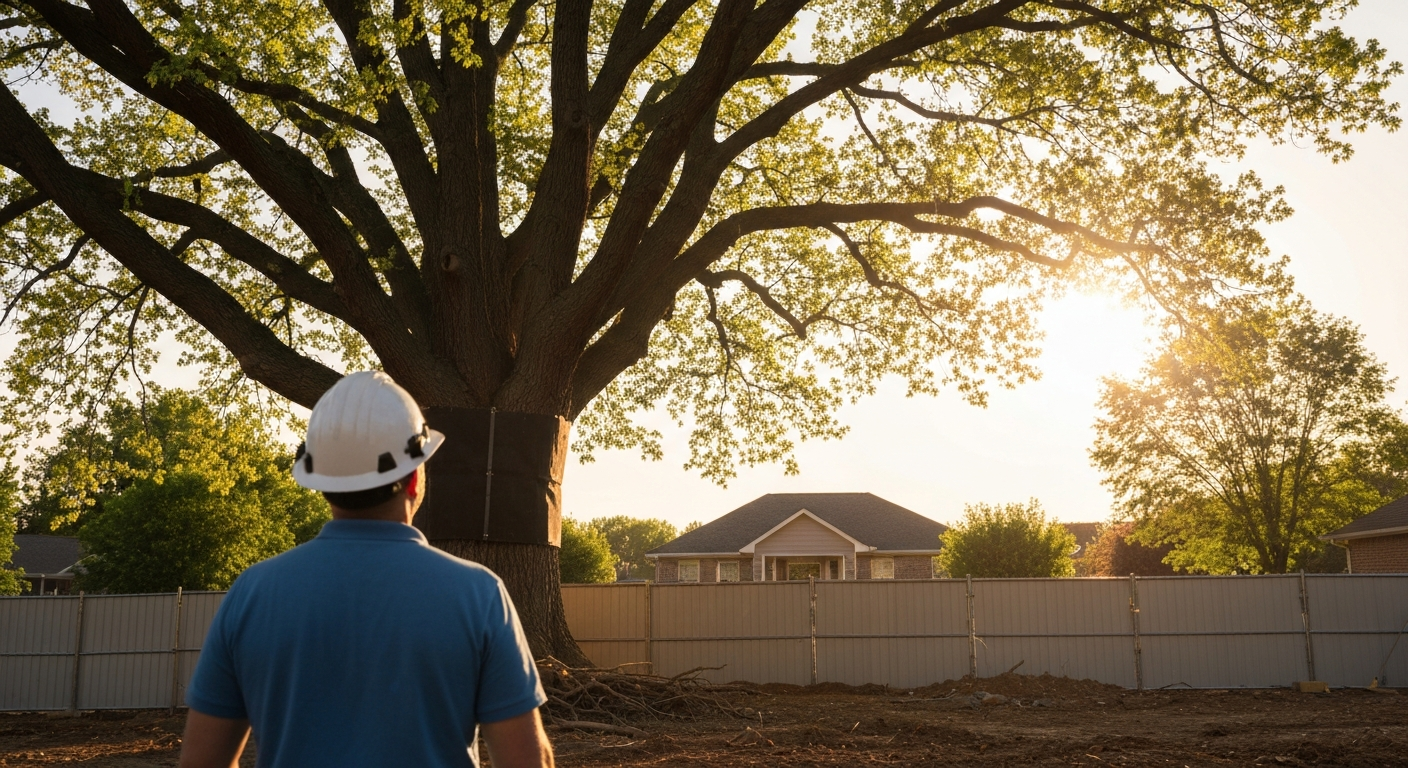
A certified arborist can provide an accurate diagnosis, recommend appropriate treatment, and safely manage hazardous trees. They possess the knowledge and equipment to handle complex tree health issues effectively. Recognizing common tree ailments is an important step in maintaining the health and longevity of your trees.
How Clark's Tree Care Can Help: Expert Diagnosis & Treatment
At Clark's Tree Care LLC, we specialize in comprehensive tree health services. Our certified arborists are equipped to diagnose a wide range of tree diseases, from common foliage issues to complex root and vascular problems. We develop tailored treatment plans that may include targeted pruning, disease management strategies, and recommendations for improving overall tree vitality. Our goal is to preserve the health of your trees and ensure the safety of your property.
Don't Let Disease Take Root: Ensure Your Trees Thrive
The health of your trees is a continuous journey that requires vigilance and proactive care. By understanding the common signs of tree disease and knowing when to seek professional help, you can protect these invaluable natural assets. Regular inspections and timely interventions are the best defense against diseases that can diminish the beauty and lifespan of your trees. Empower yourself with knowledge and partner with professionals to ensure your trees not only survive but thrive for years to come. For more insights on tree care, visit the Clark's Tree Care blog.