Safely Reducing Height & Spread Without Topping: A Professional Arborist's Guide
Overgrown Trees? Why Safe Height and Spread Reduction Matters
When trees on your property grow too large for their space, encroaching on structures, power lines, or blocking views, it's natural to seek solutions. However, the method you choose for managing tree size profoundly impacts its health, safety, and longevity. Many homeowners consider drastic measures, but there's a professional, arboriculturally sound approach for Safely Reducing Height & Spread Without Topping. This method, known as crown reduction, offers a viable alternative to harmful practices, preserving the tree's natural form and vitality while achieving necessary clearance and aesthetic goals.Understanding Crown Reduction: The Professional Alternative to Topping
Crown reduction is a specialized pruning technique employed by certified arborists to decrease a tree's height and spread. Unlike indiscriminate topping, crown reduction involves carefully shortening limbs by cutting back to a lateral branch that is at least one-third the diameter of the removed limb. This technique maintains the tree's structural integrity and natural shape, stimulating healthy new growth from appropriate points rather than weak, erratic shoots. The goal is to reduce the overall size of the canopy while ensuring the tree remains stable, healthy, and aesthetically pleasing. This process requires a deep understanding of tree biology and growth patterns to execute correctly, making it a task best left to skilled professionals. Clark's Tree Care specializes in expert trimming and pruning, including techniques like crown thinning and structural pruning that contribute to overall tree health.The Hidden Dangers of Tree Topping: What You Need to Know
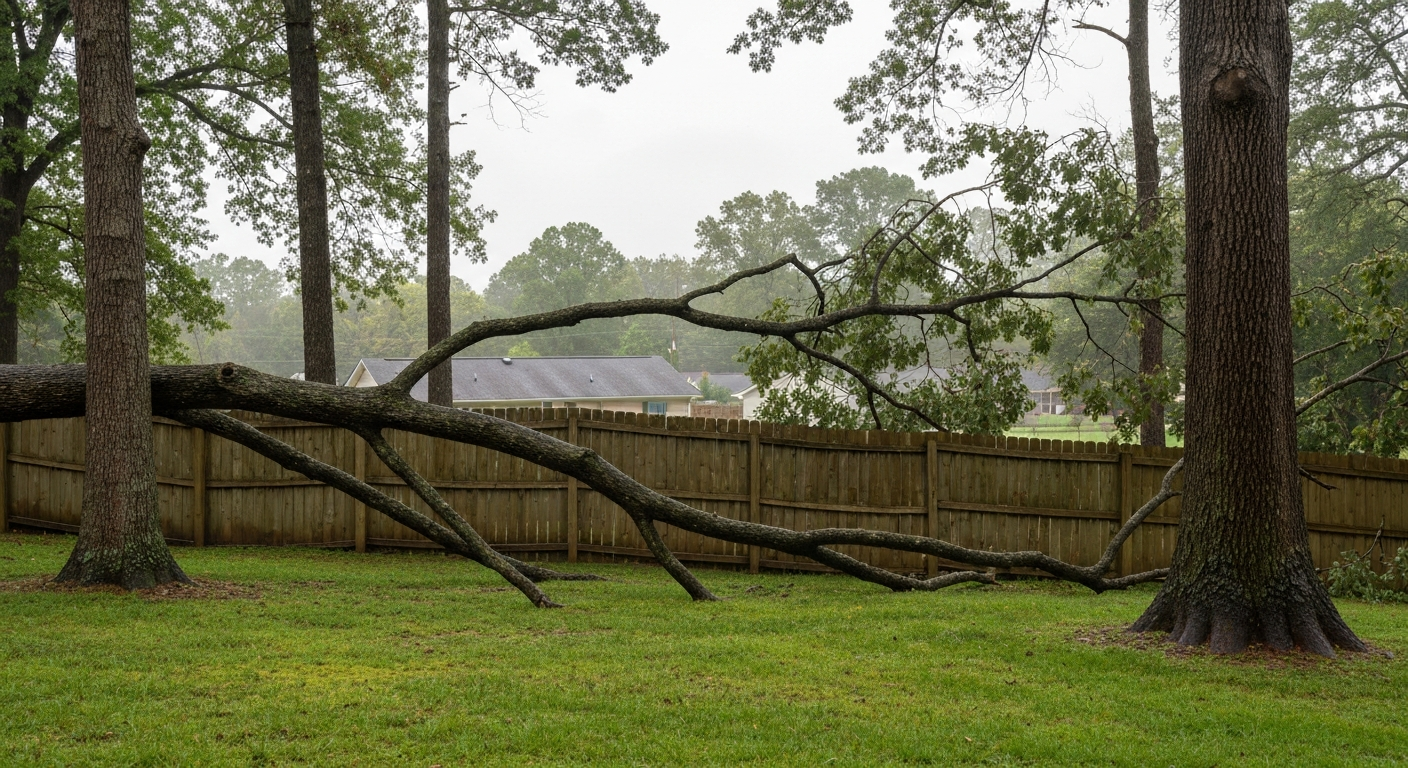
Tree topping, often mistakenly viewed as a quick fix for overgrown trees, is a highly detrimental practice universally condemned by arborists and plant scientists. Topping involves indiscriminately cutting large branches or the main trunk to stubs, removing a significant portion of the tree's crown. This action triggers a cascade of negative consequences:- Weak and Rapid Regrowth: Topping stimulates the rapid growth of numerous weak, upright shoots called water sprouts from the cut stubs. These sprouts are poorly attached to the main stem and are prone to breaking, especially during storms or high winds, creating significant safety hazards.
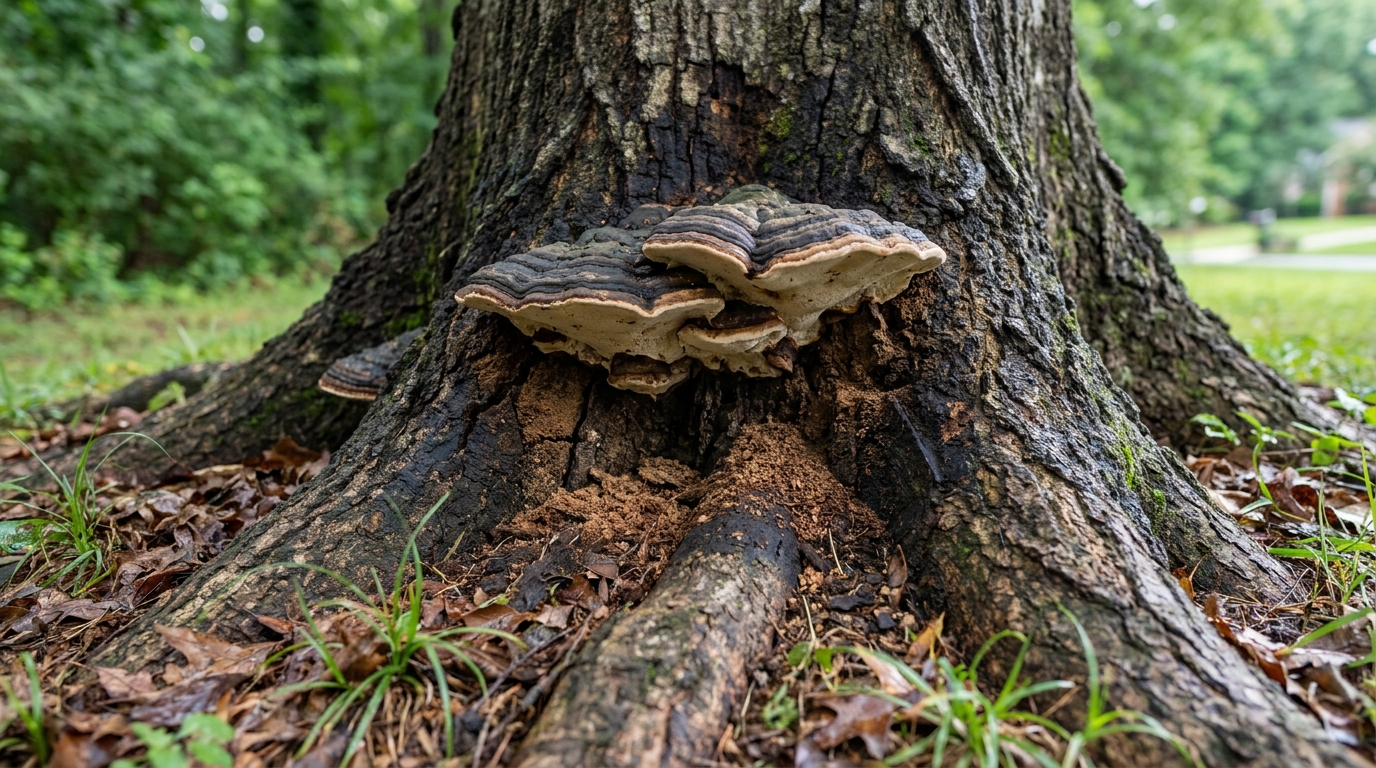
- Increased Susceptibility to Pests and Diseases: The large, open wounds left by topping create entry points for insects, fungi, and disease pathogens, compromising the tree's natural defenses and leading to decay.
- Starvation and Stress: A tree's leaves are its food factories. Removing a large percentage of the canopy through topping severely limits its ability to photosynthesize, leading to stress, starvation, and a weakened state. This can ultimately shorten the tree's lifespan.
- Unnatural Appearance: Topped trees develop an unnatural, disfigured appearance that never fully recovers its original beauty.
- Legal Liability: As highlighted by the University of Illinois Extension, homeowners can even be held liable for damages or injuries caused by a poorly managed, topped tree.
Is Crown Reduction Right for Your Tree? Signs It's Time to Act
Crown reduction is an effective solution for several common tree challenges, offering a safe and sustainable way to manage tree size and promote long-term health. Consider crown reduction if you observe any of the following:- Proximity to Structures: Branches are growing too close to your home, garage, or other buildings, posing a risk of damage during storms or high winds.
- Interference with Utilities: Limbs are growing into power lines or other utility infrastructure.
- Obstructed Views: The tree's canopy is blocking desirable views from your property.
- Excessive Wind Resistance: A dense, oversized canopy creates too much "sail effect," making the tree vulnerable to strong winds.
- Imbalance or Overgrowth: The tree has grown disproportionately, creating an unbalanced appearance or putting strain on its structure.
How Professional Arborists Plan and Execute Crown Reduction
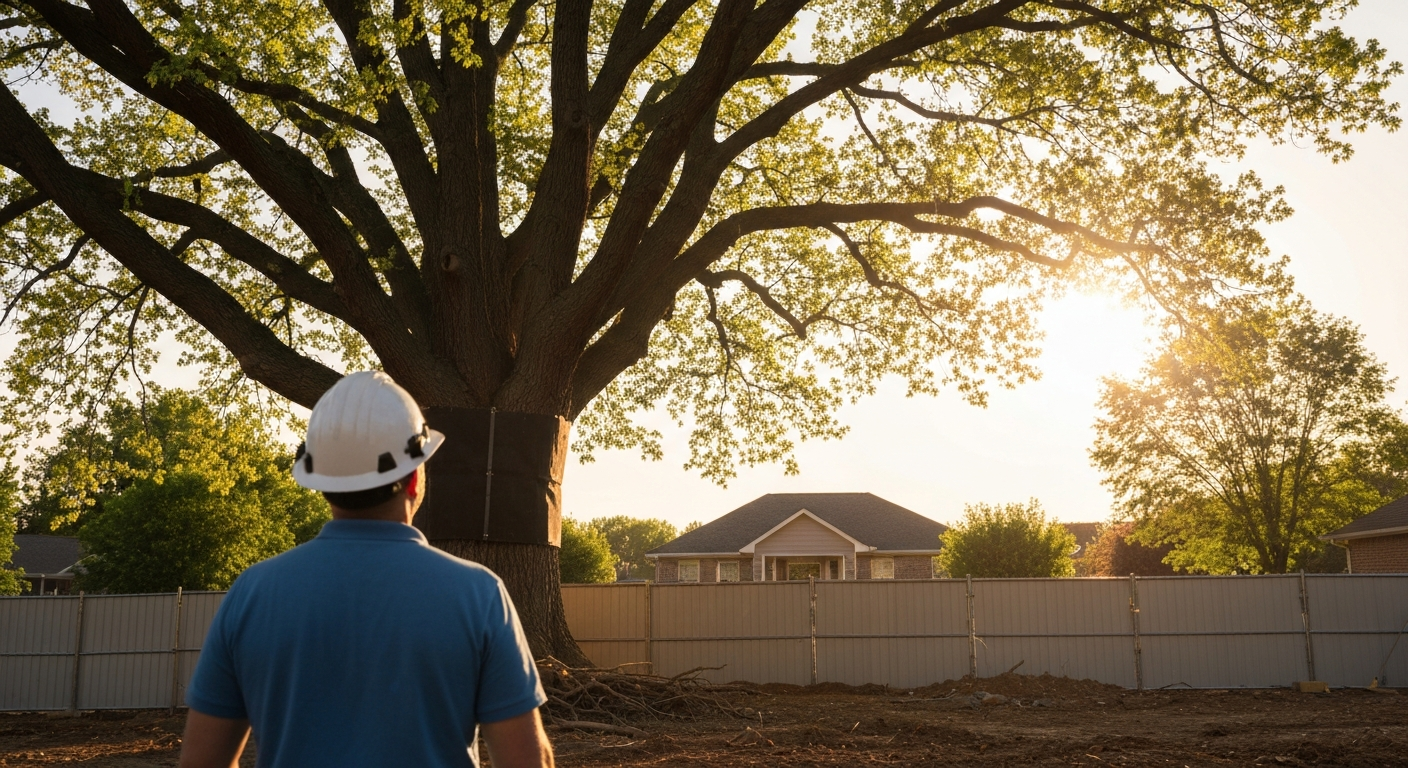
The execution of proper crown reduction is a meticulous process that requires significant expertise. Here's how professional arborists approach this task:- Thorough Assessment: An arborist will first evaluate the tree's species, age, health, structural integrity, and growth patterns. They will also consider the surrounding environment and your specific objectives for reduction.
- Strategic Planning: Based on the assessment, a detailed pruning plan is developed. This includes identifying specific branches for removal, determining appropriate cut locations (always back to a strong lateral branch), and estimating the overall reduction percentage.
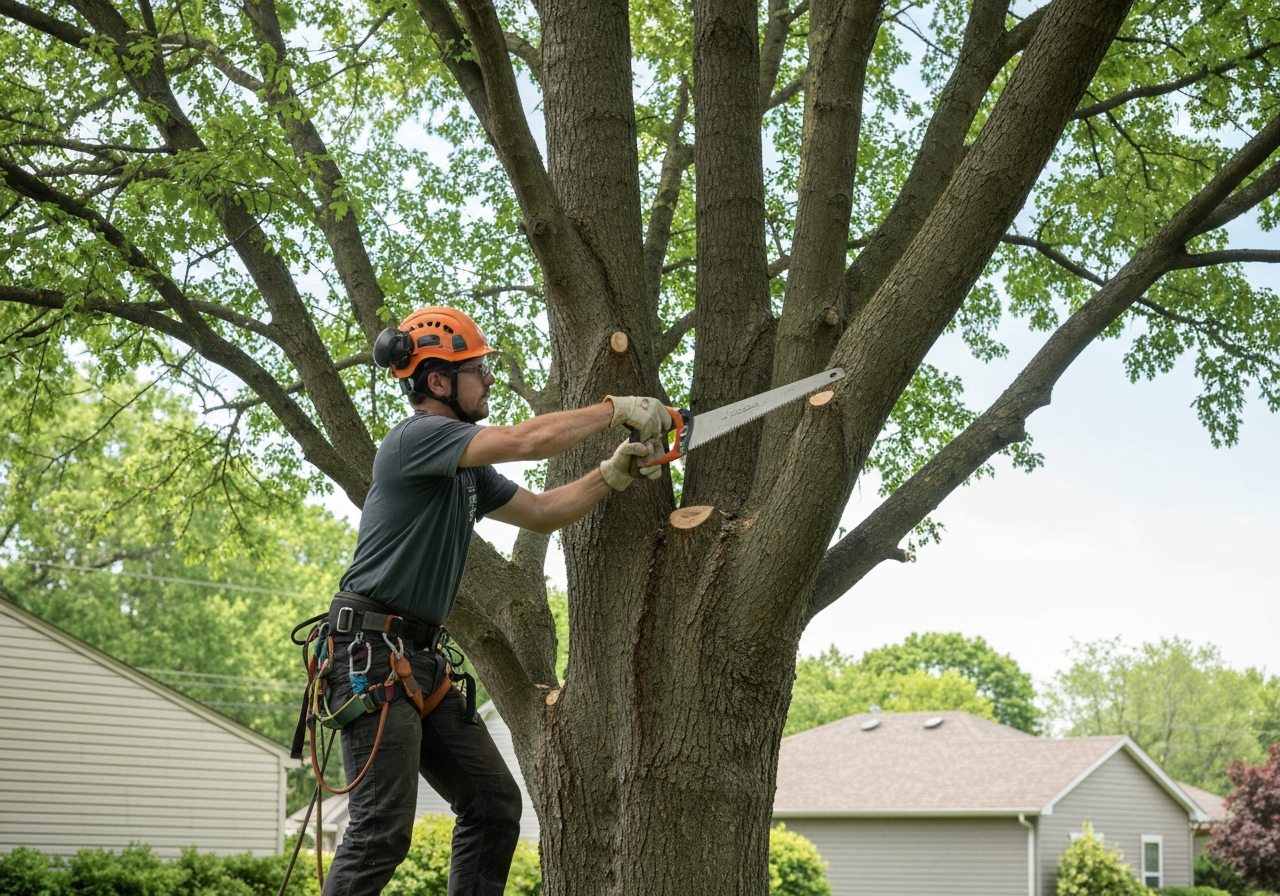
- Precision Pruning: Using specialized tools and techniques, arborists make clean, precise cuts that promote proper wound closure and minimize stress to the tree. The goal is to maintain the tree's natural shape and encourage healthy growth.
- Safety Protocols: Safety is paramount. Professional arborists adhere to strict safety standards, utilizing appropriate climbing gear, rigging, and sometimes even crane services for large or difficult-to-reach limbs, ensuring the protection of property and personnel.
- Minimal Impact: Efforts are made to minimize disruption to your property, with efficient debris removal and a thorough cleanup after the work is complete.
Safely Reducing Height & Spread Without Topping: The Art of Precision Pruning
The true art of Safely Reducing Height & Spread Without Topping lies in precision pruning. It's about making thoughtful cuts that not only achieve the desired size reduction but also enhance the tree's long-term health and aesthetic appeal. This involves:- Understanding Branch Collars: Arborists make cuts just outside the branch collar, a swollen area at the base of a branch, which contains specialized cells that facilitate wound closure.
- Maintaining the Leader: When reducing height, the main leader (central trunk) is never cut bluntly. Instead, cuts are made to side branches that can assume the role of the new leader.
- Balancing the Canopy: Pruning aims to maintain a balanced canopy, ensuring even weight distribution and reducing the risk of structural failure.
- Gradual Reduction: For significant reductions, it may be necessary to spread the work over several seasons to avoid over-stressing the tree.
When Crown Reduction Isn't Enough: Considering Other Tree Care Solutions
While crown reduction is a highly effective solution for many overgrown trees, there are instances where a tree's condition or location may necessitate alternative measures.If a tree is severely diseased, structurally compromised beyond repair, or poses an immediate threat to life or property, professional tree removal may be the safest and most responsible option. Similarly, if a tree has been repeatedly topped in the past, its structural integrity may be permanently compromised, making rehabilitation challenging or impossible. In such cases, removal followed by planting a more suitable species for the site might be the best long-term solution.
Consulting with a certified arborist from Clark's Tree Care is crucial for evaluating your tree's specific situation and recommending the most appropriate course of action, ensuring both safety and the health of your landscape.
Maintaining Tree Health After Height and Spread Reduction
After a professional crown reduction, ongoing care is vital to ensure the tree's continued health and recovery.Key maintenance practices include:
- Regular Inspections: Periodically check the tree for any signs of stress, disease, or pest infestation, especially around the pruning cuts.
- Proper Watering: Ensure the tree receives adequate water, particularly during dry spells, to support its recovery and growth.
- Mulching: Apply a layer of organic mulch around the base of the tree to conserve soil moisture, regulate temperature, and provide nutrients.
- Nutrient Management: If the arborist recommends it, consider appropriate fertilization to bolster the tree's vigor.
- Follow-up Pruning: Subsequent light pruning may be necessary in the following years to manage new growth and maintain the desired shape.
Trust Clark's Tree Care for Expert Height and Spread Management
When it comes to Safely Reducing Height & Spread Without Topping, expertise makes all the difference. Clark's Tree Care LLC is committed to providing professional and arboriculturally sound solutions for managing the size and health of your trees. With a deep understanding of tree biology and a dedication to safety and customer satisfaction, our team ensures that your trees receive the best possible care. From crown reduction to complete tree removal, we offer a comprehensive range of services designed to enhance the beauty, safety, and value of your property. Learn more about our mission and experience.
Tags:
Arborist Services
Branch Collar Protection
Clark's Tree Care
Crown Reduction
Excessive Wind Resistance Trees
Lateral Branch Cutting
Legal Liability Tree Care
Mulching Trees
Obstructed Property Views
Pest and Disease Susceptibility
Post-Reduction Tree Care
Precision Pruning
Professional Arboriculture
Proximity to Structures
Safe Tree Height Reduction
Safety Protocols Tree Work
Strategic Pruning Plan
Thorough Tree Assessment
Tree Health Management
Tree Imbalance Correction
Tree Pruning Techniques
Tree Removal Services
Tree Spread Reduction
Tree Starvation
Tree Topping Dangers
Tree Watering Guidelines
University of Illinois Extension
Unnatural Tree Appearance
Utility Line Interference
Weak Regrowth Prevention