Your Path to Thriving Trees: Clark's expert guide to tree selection and care
Welcome to Clark's Expert Guide to Tree Selection and Care
Embarking on a journey to cultivate a vibrant and healthy landscape begins with understanding the lifeblood of your outdoor space: your trees. For homeowners and businesses in Waxhaw and the greater Charlotte area, proper tree selection and care are paramount to ensuring long-term beauty, safety, and environmental benefits. This resource serves as Clark's expert guide to tree selection and care, offering insights from seasoned professionals to help you nurture thriving trees from sapling to maturity.
Choosing the Right Tree for Your Local Landscape (Waxhaw & Charlotte)
The foundation of a healthy tree lies in choosing the right species for the right place. This involves a thoughtful assessment of your specific environment and desired outcomes.
Site Analysis: Understanding Your Environment
Before selecting a tree, consider its future home carefully. A thorough site analysis should include:
- Available Space: Account for the tree's mature height, canopy spread, and root system to avoid conflicts with structures, utility lines, and pavements. Some trees have extensive root systems that can heave sidewalks and driveways.
- Soil Conditions: Perform a soil test to understand its pH, drainage, and nutrient quality. Matching tree species to your soil's unique characteristics is crucial for survival and reduced maintenance.
- Sun and Wind Exposure: Evaluate how sunlight moves across your property throughout the seasons. Deciduous trees can offer summer shade and winter warmth on south and west exposures, while evergreens provide windbreaks on the north.
- Hardiness Zone: Select trees cold-hardy for your region, considering both winter lows and summer heat and humidity tolerance.
Selecting for Purpose and Form
Trees serve various functions, from providing shade and privacy to enhancing aesthetics. Consider:
- Function: Do you need shade to cool your home, a windbreak, a privacy screen, or a focal point with beautiful flowers or unique form? Different tree categories like shade, flowering, ornamental, and evergreen trees fulfill distinct roles.
- Form and Size: The shape (pyramidal, weeping, columnar) and mature size will influence maintenance and the tree's value. Choosing the appropriate form can significantly reduce future pruning needs.
- Pest and Disease Resistance: Research species known to be resistant to common local pests and diseases to minimize future problems. Unfavorable environmental conditions weaken trees, making them more susceptible.
- Maintenance Considerations: Be aware of potential nuisances like messy fruit, thorns, or specific growth habits that might require more attention. For instance, selecting male cultivars of certain trees can prevent nuisance fruit.
Remember, a high-quality tree is a long-lasting asset. When buying, inspect for a straight trunk, well-spaced branches, an exposed trunk free of wounds, and a healthy root system without circling roots.
Mastering the Essentials: Planting and Early Tree Care
Once you've chosen the perfect tree, proper planting and diligent early care are essential for its establishment and future vigor.
Proper Planting Techniques
- Transportation: Always carry or lift a tree by its root ball or container, not by the trunk, to avoid damaging the root system. Securely tie it during transport to prevent shifting.
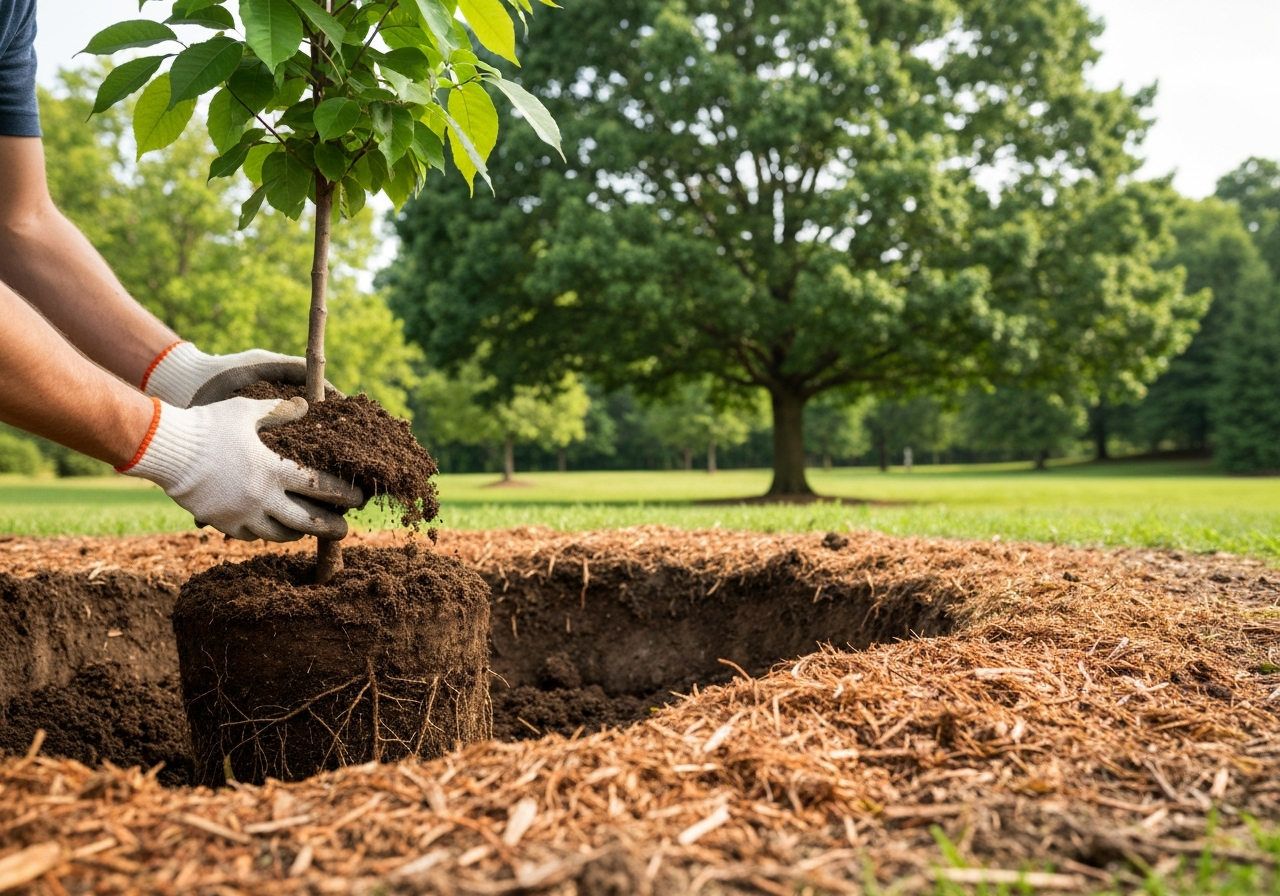
- Planting Depth: Dig a hole at the same depth as the root ball, ensuring the root flare (where the trunk widens at the base) is at ground level. Planting too deep is a common mistake that can lead to slow decline.
- Loosen Soil: Gently loosen the soil around the roots before planting to encourage outward growth and prevent root suffocation.
- Water Immediately: Water thoroughly after planting to settle the soil and eliminate air pockets.
Crucial Early Care for Newly Planted Trees
The first few years are critical for a young tree to establish. Consistent and appropriate care during this period helps reduce transplant stress.
- Watering: Newly planted trees require frequent and consistent watering. For the first 1-2 weeks, water daily. For the next 3-12 weeks, water every 2-3 days. After 12 weeks, water weekly until roots are established, which can take 1-2 growing seasons for shrubs and longer for trees (approximately 12 months per inch of trunk diameter). Aim for 1 to 1.5 gallons of water per inch of stem caliper at each watering. Apply water slowly and directly over the root zone, ensuring it soaks deep into the soil. Consider using watering bags or creating a soil reservoir.
- Mulching: Apply a 2 to 4-inch layer of organic mulch (wood chips, shredded bark) in a doughnut shape around the tree. Keep the mulch 3-6 inches away from the trunk to prevent moisture buildup, fungal cankers, and pest harborage. Mulch conserves moisture, suppresses weeds, moderates soil temperature, and protects the trunk from mechanical damage.
- Pruning: Minimize pruning on newly planted trees. Only perform corrective pruning to remove structural defects like double leaders, narrow crotches, crossing branches, or dead/damaged limbs. Retain most lower branches initially, as they help stabilize the tree and improve trunk strength. Gradually remove them over 5-10 years as the tree matures and the canopy reaches the desired height.
- Staking: Stake trees only if absolutely necessary (e.g., bare-root, top-heavy, windy sites). Use flexible straps attached low on the trunk to allow for some movement, which promotes trunk strength. Remove stakes after one growing season, or a maximum of two, once the root system has stabilized.
- Protection: Tree wraps can protect young trees from sunscald and animal damage during winter, but should be removed in spring. Protect tree trunks from lawnmowers and string trimmers by maintaining the mulch ring.
The Art of Pruning: Shaping Healthy Trees
Pruning is a vital maintenance practice that, when done correctly, ensures your trees remain healthy, structurally sound, and beautiful for years. However, improper pruning can cause significant harm.
Why and When to Prune
Pruning should always have a clear purpose:
- Structural Development: For young trees, structural pruning helps establish a strong framework, reducing the likelihood of storm damage and costly corrective work later.
- Health: Remove dead, diseased, or damaged branches to prevent pest infestations and decay.
- Safety: Eliminate hazardous branches that could fall or interfere with power lines, buildings, or walkways. Clark's Tree Care offers expert tree trimming and pruning services, including deadwood removal and clearance pruning, to address these concerns.
- Appearance: Improve the tree's natural form and maintain a desired size.
The best time for most deciduous tree pruning is during the late dormant season, from late fall after leaves drop through very early spring before new growth begins. This allows for clear visibility of the tree's structure and minimizes the risk of insect attraction to fresh wounds. However, dead, diseased, or broken branches can be removed at any time. For "bleeder" trees like maples, birches, and walnuts, pruning in the coldest part of winter or after leaves have fully emerged in early summer can minimize sap flow. Oak and elm trees should be pruned only during their dormant season (typically mid-October to mid-April) to avoid attracting insects that spread diseases like oak wilt and Dutch elm disease.
Proper Pruning Techniques
Understanding the types of cuts and where to make them is critical:
- Removal Cuts: These remove an entire branch back to the main trunk or a larger lateral branch. Make the cut just outside the "branch collar" – the swollen area at the base of the branch – without leaving a stub. The branch collar contains protective tissue that helps the wound heal properly.
- Reduction Cuts: Used to shorten a branch, these cuts are made back to a lateral branch that is at least one-third to one-half the diameter of the branch being removed. This directs growth and maintains a more natural shape.
- Three-Cut Method for Large Branches: For branches larger than 1.5 inches in diameter, use a three-cut process to prevent bark stripping. First, make an undercut about a foot from the trunk. Second, cut downward further out on the branch to remove most of its weight. Third, make the final cut just outside the branch collar.
- Avoid Topping: Topping, the indiscriminate cutting back of large branches to stubs, is extremely harmful. It stresses the tree, promotes weak, vigorous shoots (watersprouts), and leaves large wounds susceptible to decay and disease. This practice can shorten a tree's lifespan and create hazardous conditions.
Always use sharp, clean tools appropriate for the branch size to ensure clean cuts and minimize damage. Regular cleaning of tools with alcohol can prevent the spread of diseases.
Protecting Your Investment: Identifying and Preventing Tree Health Issues
Trees are susceptible to various problems, and early detection and prevention are key to maintaining their health and longevity.
Common Tree Stressors and Issues
Many factors contribute to tree problems, often in combination:
- Environmental Stress: Drought, extreme temperatures, and poor soil conditions are common abiotic factors that weaken trees, making them more vulnerable to other issues. Drought can cause leaf wilting, scorch, and stem dieback.
- Pests and Diseases: Region-specific insects and diseases can significantly impact tree health. Examples include oak wilt, Dutch elm disease, emerald ash borer, and Japanese beetles. Knowing the common threats in your area is vital.
- Improper Planting: As mentioned, planting a tree too deep, burying the root flare, or circling roots from the nursery container can lead to slow decline and death.
- Girdling Roots: Roots that encircle the trunk or other roots can choke off the flow of water and nutrients, weakening the tree and leading to decline. These should be carefully removed if detected.
- Physical Damage: Wounds from lawnmowers, string trimmers, construction, or even car doors can create entry points for pests and diseases. Protecting the trunk is paramount.
Assessing Tree Health and When to Act
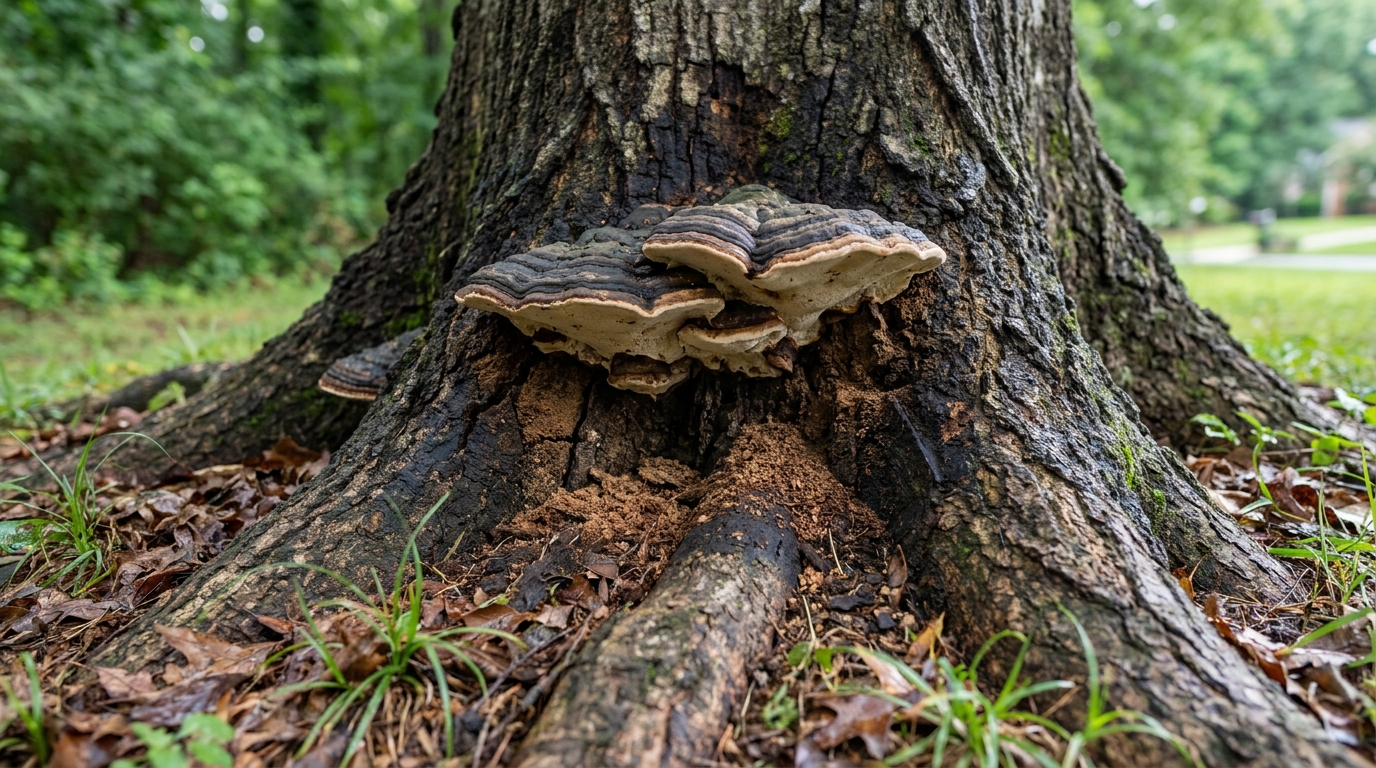
Regularly inspect your trees for signs of distress, such as discolored or sparse foliage, wilting, cankers, unusual growths, or dead branches. Often, abiotic factors are the primary cause of issues, even when insects or diseases are present, as stressed trees are more susceptible. For accurate diagnosis and treatment plans, especially for complex or severe problems, it's often best to consult with a certified arborist. Your local Cooperative Extension Service can also provide valuable assistance for pest and disease questions.
Beyond DIY: When to Call Clark's Tree Care Professionals
While basic tree care can be a rewarding DIY endeavor, certain situations require the expertise, equipment, and safety protocols of professional arborists. Trying to handle large or complex tree work yourself can be dangerous and lead to costly mistakes.
The Value of Certified Arborists
Professional arborists are highly skilled and knowledgeable in all aspects of tree care, from planting and pruning to disease diagnosis and removal. They possess certifications from organizations like the International Society of Arboriculture (ISA) and adhere to industry safety standards. When you hire professionals like Clark's Tree Care LLC, you benefit from:
- Safety First: Arborists are trained to work safely at height, near power lines, and with heavy equipment, mitigating risks to people and property. They utilize appropriate personal protective equipment (PPE) and advanced techniques like crane assistance for complex jobs.
- Expertise: They can accurately diagnose tree problems, recommend the best course of action, and execute specialized tasks like structural pruning or disease treatment.
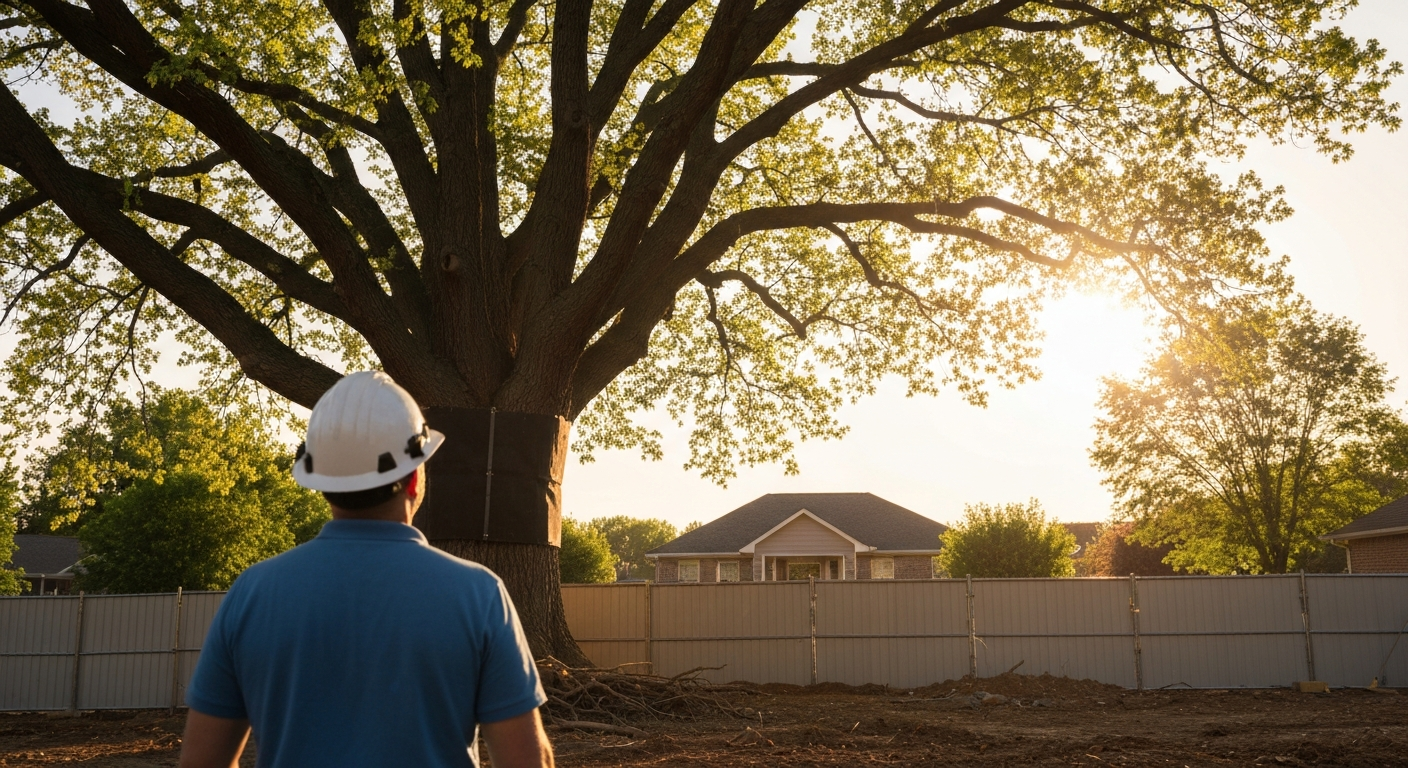
- Proper Equipment: Professionals have the right tools for the job, from specialized saws and climbing gear to cranes for large tree removal, ensuring efficient and effective work. Clark's offers precision crane-assisted tree removal for large trees in tight spaces, minimizing property damage.
- Insurance: Reputable companies carry comprehensive liability and worker's compensation insurance, protecting you from financial responsibility in case of accidents or damage. Always ask for proof of insurance.
Clark's Comprehensive Tree Care Services
When tasks extend beyond routine maintenance, Clark's Tree Care is ready to assist. Our services include:
- Tree Trimming & Pruning: Expert crown thinning, deadwood removal, structural shaping, and clearance pruning to maintain tree health, beauty, and safety.
- Tree Removal: Safe and efficient removal of hazardous, dead, dying, or storm-damaged trees, as well as lot clearing for new construction.
- Stump Grinding & Removal: Complete elimination of unsightly stumps and roots, grinding 6-12 inches below grade to reclaim your yard for new plantings or landscaping.
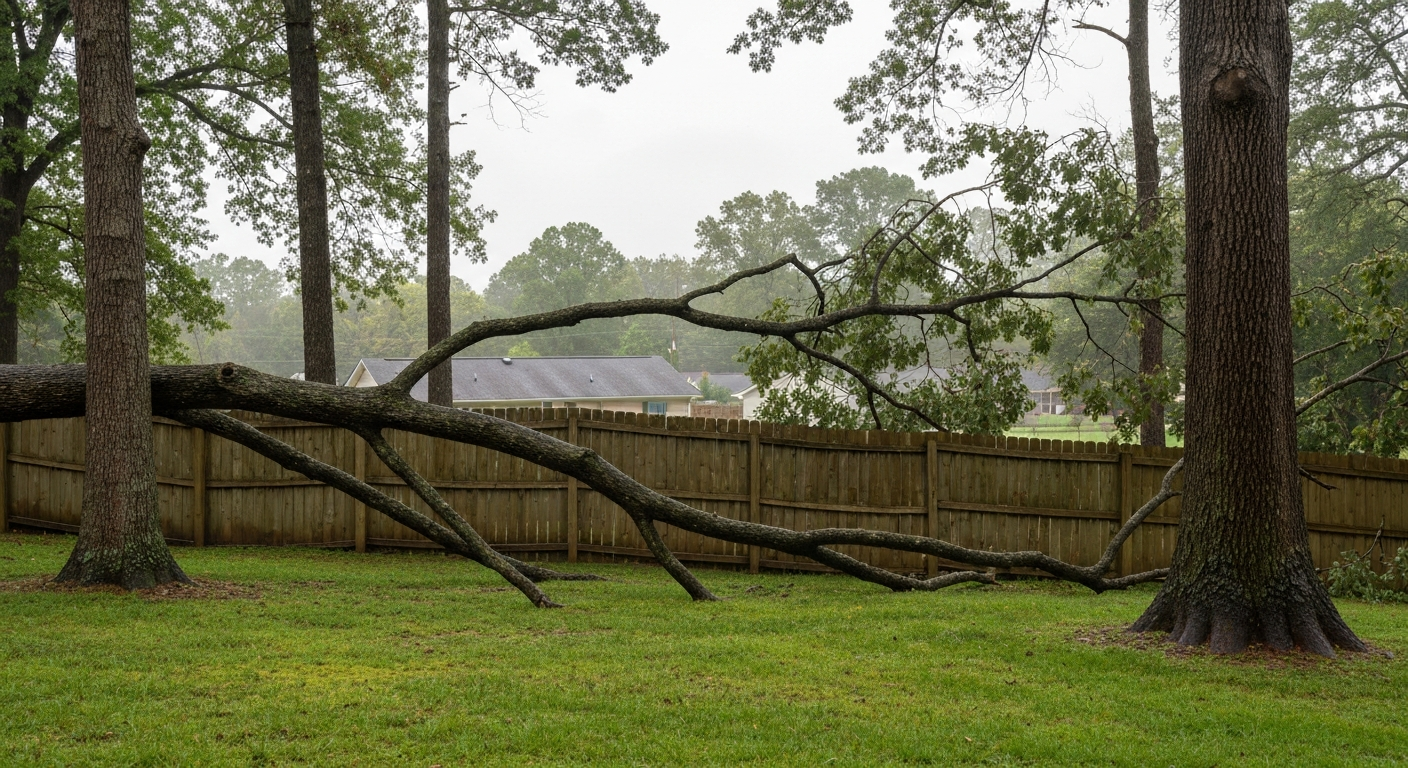
- Emergency Services: Rapid response for storm damage and hazardous situations, available 24/7.
Whether you have overgrown branches, dead limbs, or a tree interfering with utilities, professional help ensures the job is done correctly and safely. Our FAQ section addresses common questions about services, costs, and licensing.
Your Healthy Tree Journey Starts Here with Clark's
Investing in the health of your trees is an investment in your property and the environment. By carefully selecting the right trees, providing diligent early care, understanding proper pruning techniques, and knowing when to call in the experts, you contribute to a resilient and beautiful landscape. At Clark's Tree Care LLC, we are committed to providing professional, reliable, and expert tree care services to the Waxhaw and greater Charlotte community. Our team, with over 5 years of hands-on experience, ensures that every tree we touch thrives.