Clark's Tree Care LLC Presents: Your complete tree care guide for Thriving Trees
Your complete tree care guide for a flourishing landscape
Maintaining a healthy, vibrant landscape requires understanding and implementing proper tree care practices. A flourishing environment begins with attentive care from the moment a tree is planted through its mature years. This complete tree care guide from Clark's Tree Care LLC provides essential knowledge and actionable steps to ensure your trees thrive, enhancing both the beauty and value of your property for years to come.
Choosing the Right Tree: Laying the Foundation for Growth
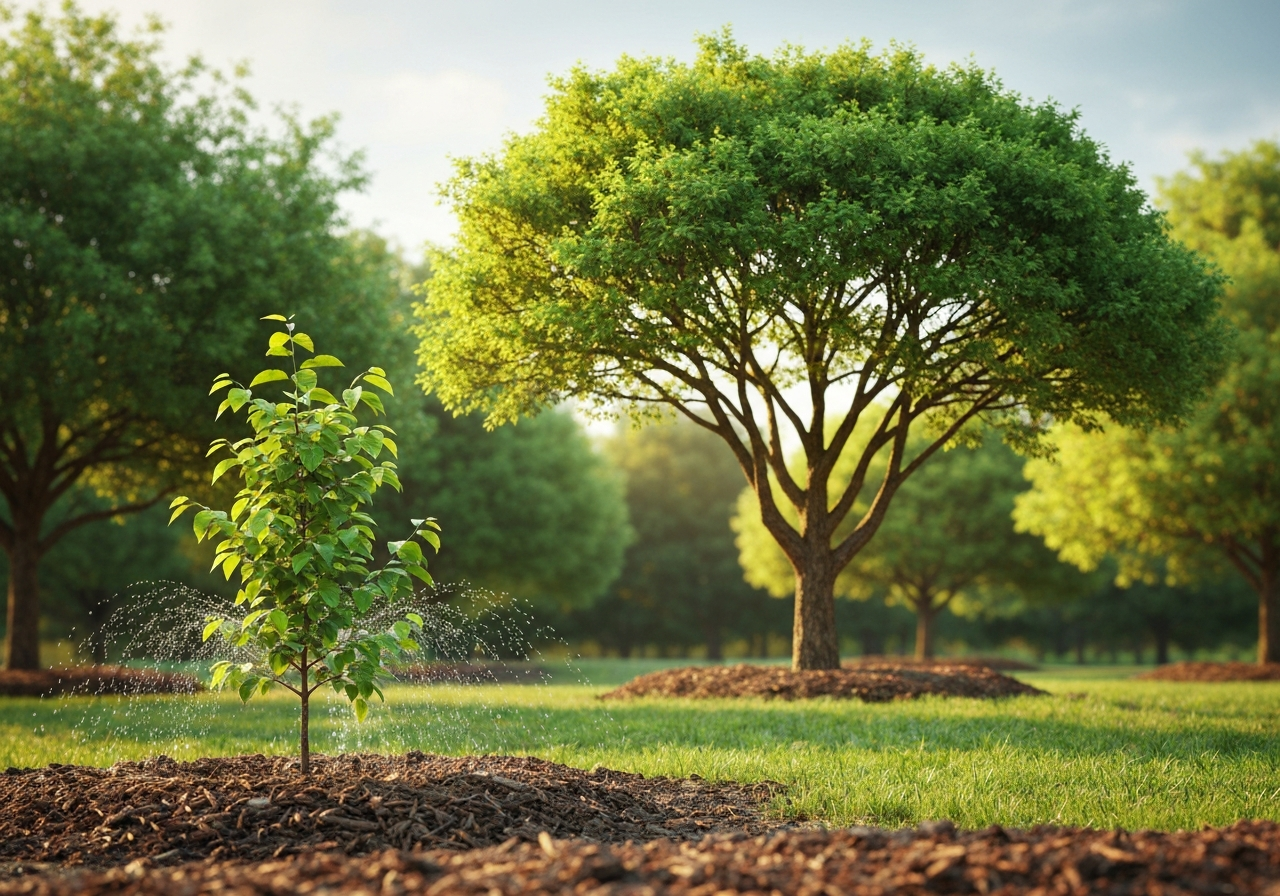
The journey to a magnificent tree begins with careful selection and proper planting. Consider your local climate and hardiness zone to ensure the chosen species can thrive. Assess the available space, accounting for the tree's mature height and spread to avoid future conflicts with structures or utility lines. Soil conditions, sun exposure, and the tree's ultimate purpose (shade, privacy, aesthetics) are also critical factors. When selecting a tree from a nursery, look for signs of health: intact bark, vibrant leaves, and no visible pests or diseases. For newly planted trees, proper technique is paramount. The planting hole should be two to three times wider than the root ball, but only as deep as the root ball itself. It’s crucial to ensure the root flare – where the trunk widens at the base – is at or slightly above ground level. Avoid piling soil or mulch against the trunk, as this can lead to decay. Instead, create a saucer-shaped basin around the tree to direct water to the roots.
Essential Care Practices: Watering, Mulching, and Feeding
Once planted, consistent care is vital for a tree's establishment and long-term health. Proper watering is perhaps the most critical practice for young trees, especially during their first few years. They need regular, deep watering to encourage a strong root system, often 15-25 gallons per week during dry periods. Check soil moisture a few inches deep; if it feels dry, it's time to water. Mulching is another cornerstone of effective tree care. A 2-4 inch layer of organic mulch (like wood chips or shredded bark) spread in a donut shape around the tree, keeping it a few inches from the trunk, helps retain soil moisture, regulate temperature, suppress weeds, and slowly enrich the soil as it decomposes. Avoid "volcano mulching," where mulch is piled against the trunk, as this can cause bark rot and pest issues. Fertilization is generally not necessary for newly planted trees unless a soil test indicates a nutrient deficiency. For established trees, fertilize based on soil test recommendations, typically in late fall or early spring, using a slow-release formula to prevent root burn and encourage sustained growth.
The Art of Pruning: Shaping for Health and Longevity
Pruning is both a science and an art, essential for maintaining a tree's health, structural integrity, and aesthetic appeal. For young trees, the focus is on structural pruning to develop a strong central leader and well-spaced scaffold branches. During the first year after planting, only remove dead, broken, or crossing branches. Proper pruning cuts involve locating the branch collar and branch bark ridge, making a clean cut just outside these tissues to allow the tree to compartmentalize and seal the wound effectively. Never make a "flush cut" that removes the collar, as this significantly impedes healing. It is crucial to avoid "topping" a tree, which involves indiscriminately cutting back large branches to stubs. Topping is detrimental, leading to weak, unstable regrowth, decay, and increased susceptibility to pests and diseases. The best time for most pruning is during the dormant season (late winter/early spring) when the tree's structure is visible and the risk of disease transmission is lower, although dead branches can be removed at any time.
Protecting Your Trees: Identifying Pests, Diseases, and Environmental Threats
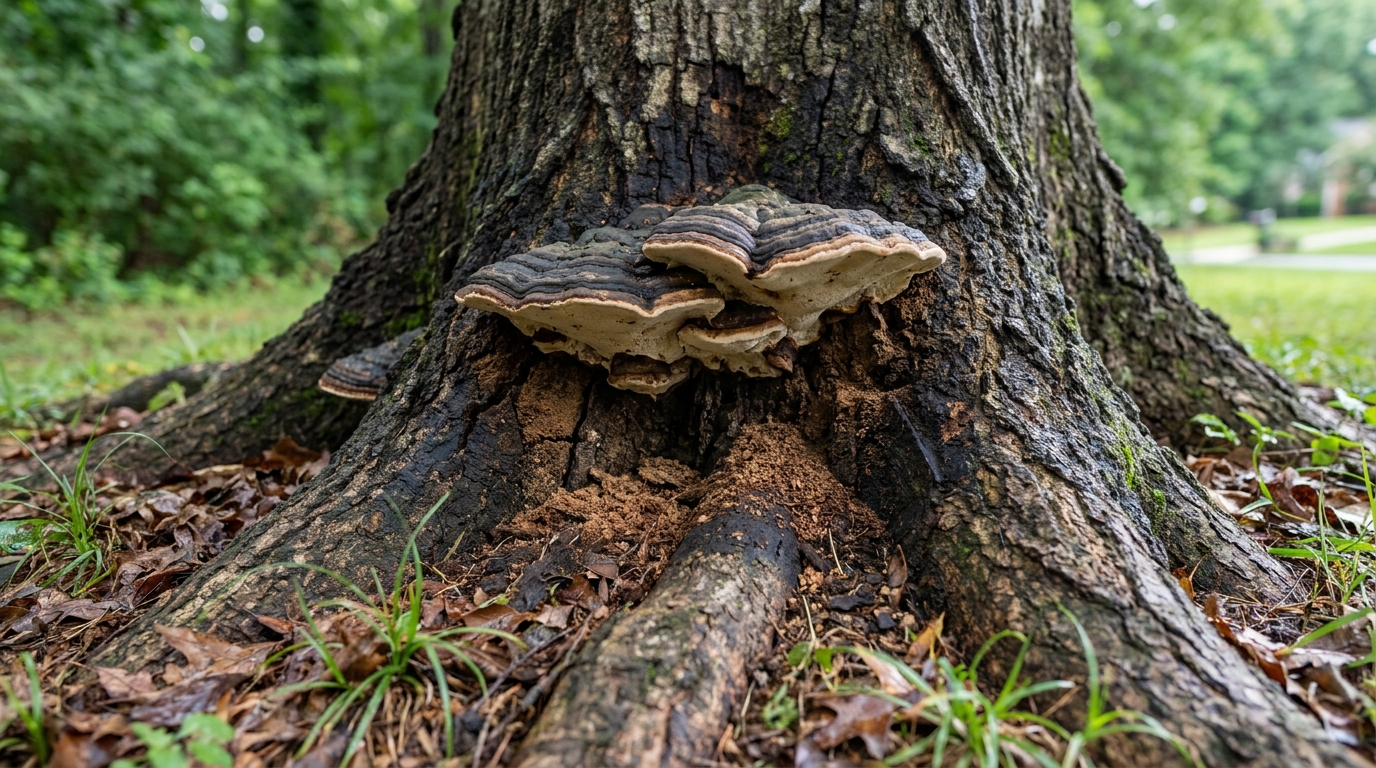
Trees face a variety of threats, from insect infestations and fungal diseases to environmental stressors like drought and pollution. Regular inspection is key to early detection and intervention. Look for changes in leaf color or size, unusual sap oozing, sudden branch dieback, or visible insect activity. Drought is a common issue, leading to wilting leaves, scorch, and increased vulnerability to other problems; consistent watering is the primary defense. Improper planting, such as burying the root flare too deep, can also lead to slow decline. If you suspect a pest or disease issue, contacting your local Cooperative Extension Service or a certified arborist can help with accurate diagnosis and treatment. Protecting the trunk from mechanical damage (lawnmowers, string trimmers) and wrapping young trunks during winter can also prevent injury from animals.
Storm Preparedness and Recovery: Safeguarding Your Green Assets
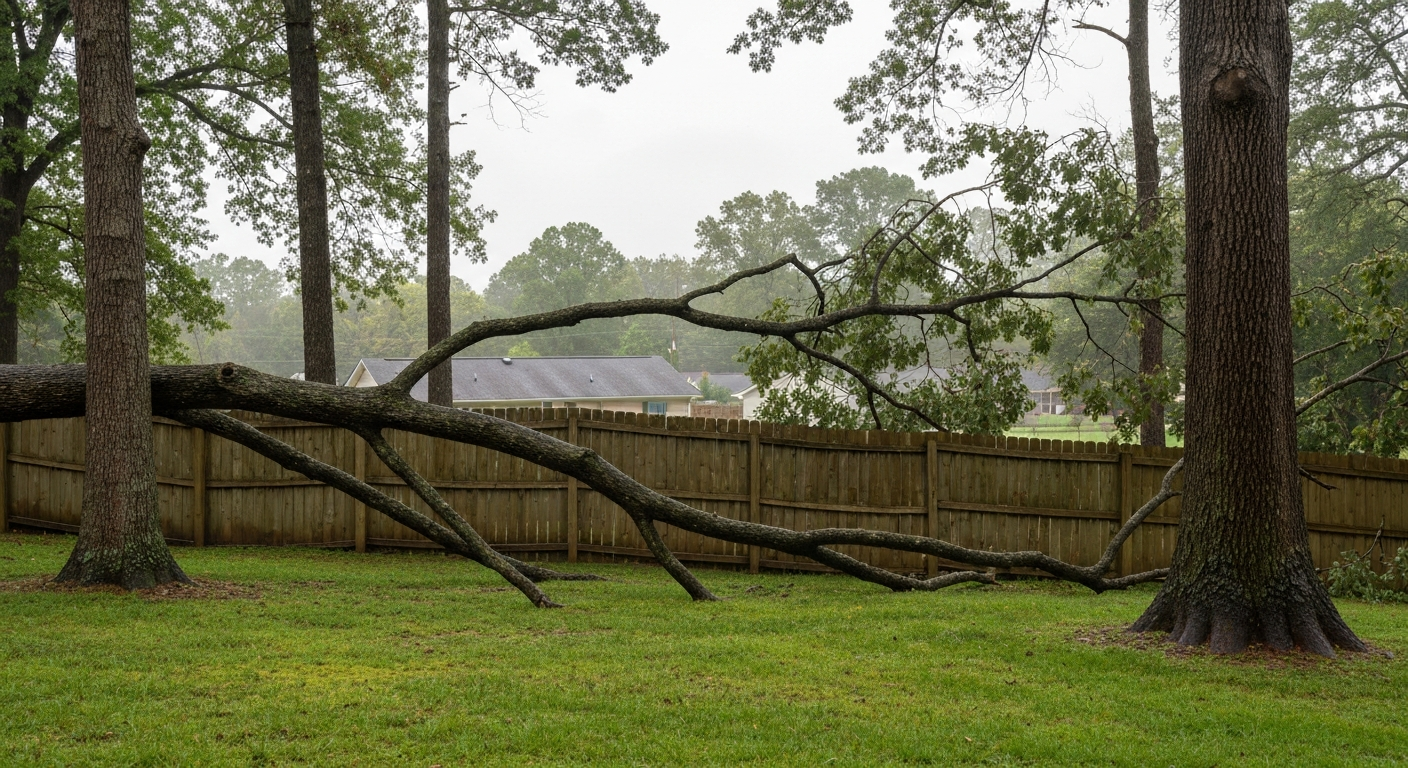
Preparing your trees for severe weather can significantly minimize damage. Prior to hurricane season, assess your trees for potential hazards such as cracks, hollow spots, hanging branches, or multiple trunks with included bark, which are prone to failure. Proper structural pruning to thin the upper canopy and develop a strong central leader can reduce the "sail effect" during high winds. After a storm, exercise extreme caution. Survey the area for downed power lines and report them immediately. Prioritize removing branches blocking access to your home or roadways. For partially uprooted trees, it's often possible to save them, but this can be dangerous due to root tension; consult a certified arborist for safe assessment and re-establishment. Cover exposed roots with soil or mulch and keep them moist, treating the tree as newly transplanted for the following months.
When to Call the Experts: Professional Tree Care Services
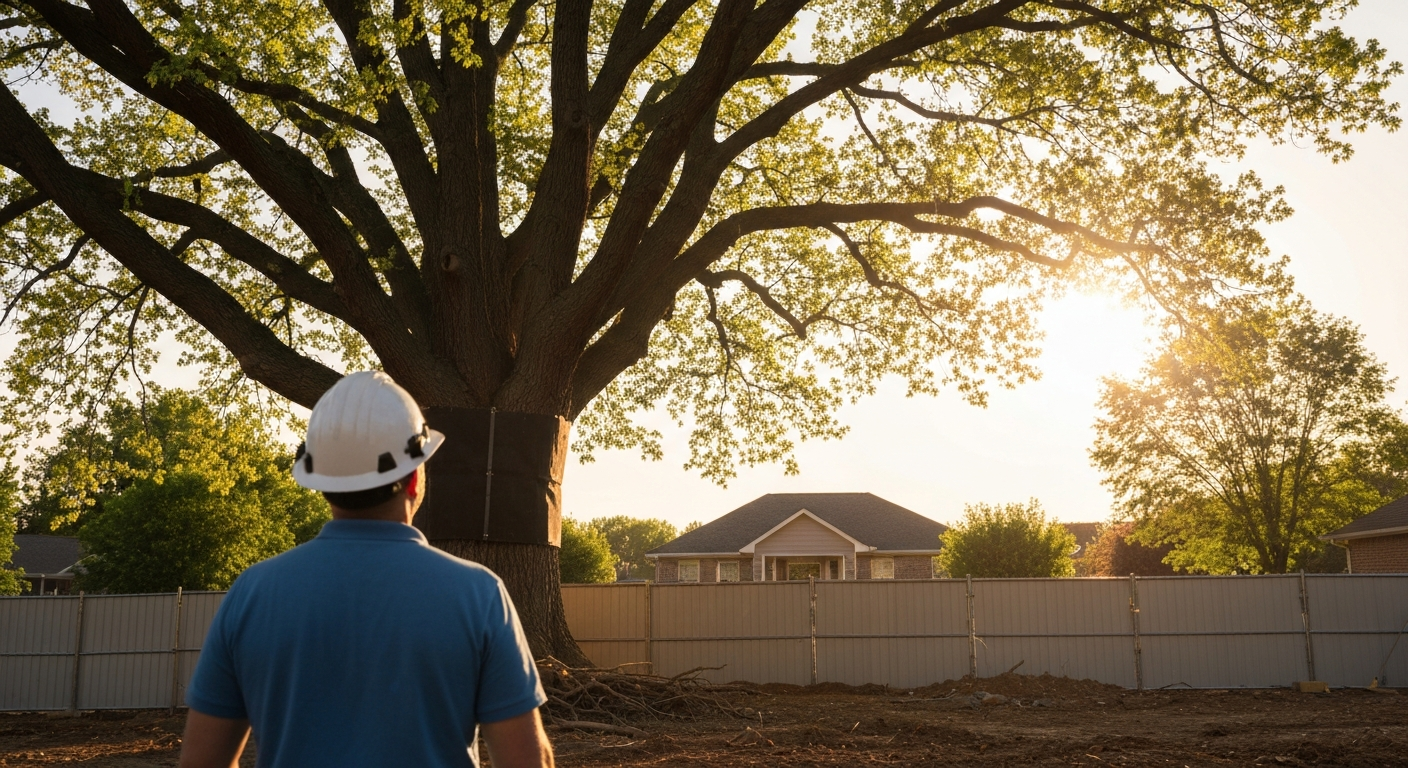
While many routine tree care tasks can be handled by homeowners, certain situations necessitate the expertise of a professional. Large tree pruning, especially involving high branches or proximity to utility lines, is inherently dangerous and should always be left to certified arborists. Arborists possess the specialized training, equipment, and insurance to perform such work safely and effectively, adhering to industry standards. They can also provide comprehensive tree risk assessments, diagnose complex pest and disease problems, implement advanced root and soil treatments, install cabling or bracing for weak trees, and safely remove dead or hazardous trees. For any task that involves climbing ladders, using chainsaws at height, or addressing significant structural issues, calling a qualified and insured arborist is the safest and most responsible choice for both your trees and your property.
Nurturing Your Trees for Generations to Come
Embracing a proactive and informed approach to tree care ensures the health, beauty, and longevity of your landscape. By consistently applying the practices outlined in this complete tree care guide—from selecting the right species and ensuring proper planting to maintaining diligent watering, mulching, pruning, and protection against threats—you invest in a greener, more sustainable future. These efforts not only cultivate thriving trees but also contribute to a healthier environment and enhance the enjoyment of your outdoor spaces for many years to come.