Recognizing the Signs of an Unhealthy Tree Early: Your Guide from Clark's Tree Care
Understanding Your Trees: An Introduction from Clark's Tree Care
As homeowners, we often admire the grandeur and beauty of our trees without always noticing the subtle indicators of their health. However, recognizing the signs of an unhealthy tree early is paramount to its longevity and your property's safety. At Clark's Tree Care LLC, we believe that understanding these signs is the first step in proactive tree management, preventing minor issues from escalating into significant, costly problems.
What a Healthy Tree Looks Like: Establishing the Baseline
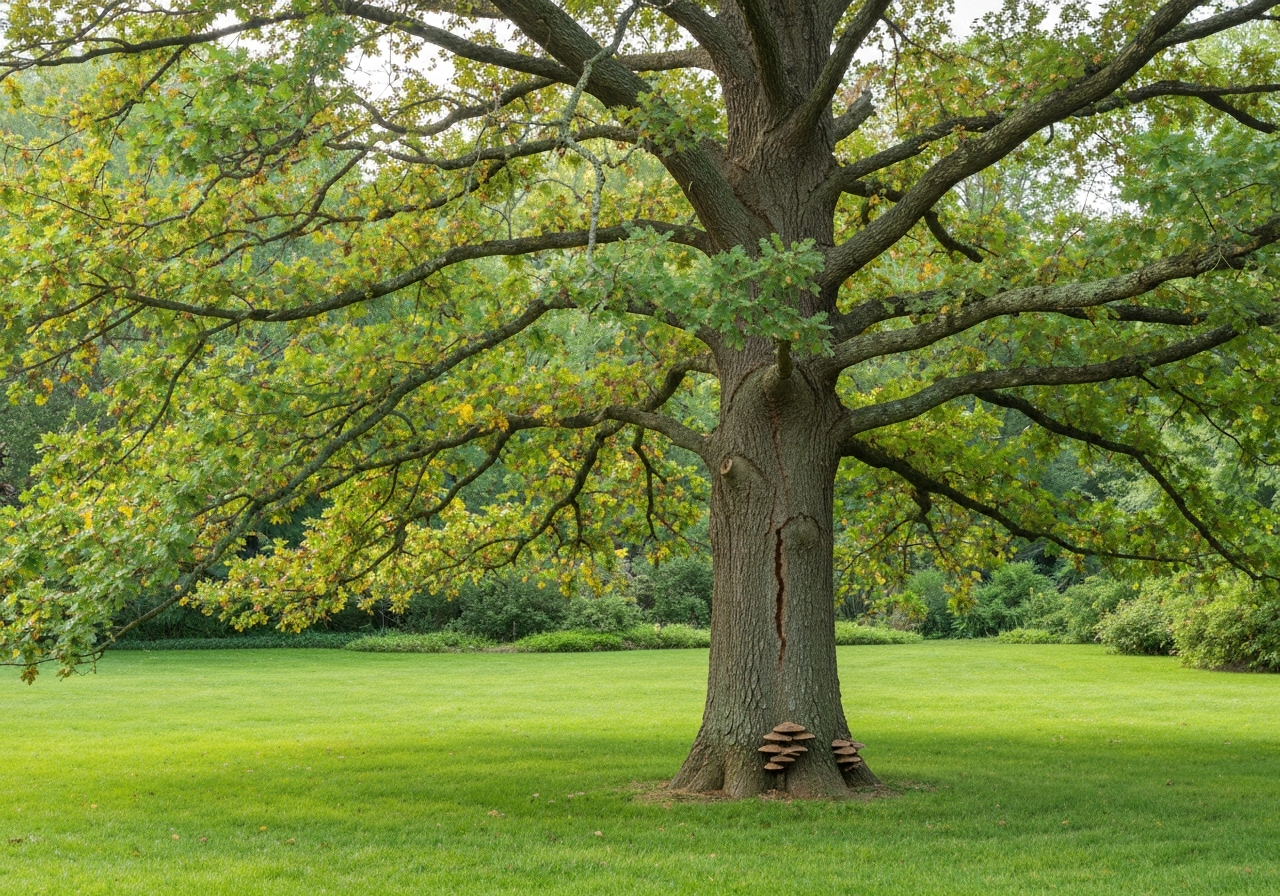
Before we can identify an unhealthy tree, it's crucial to understand the characteristics of a healthy one. A thriving tree typically exhibits a full, evenly shaped canopy with consistent leaf color, free from significant discoloration or thinning. Its trunk should be sturdy, without deep cracks, oozing sap, or visible fungal growths. Roots, while mostly hidden, should provide firm anchorage without excessive exposure or damage. Regular, vigorous new growth each season is another strong indicator of good health.
Recognizing the Signs of an Unhealthy Tree Early: Visual Cues and What They Mean
Trees, much like us, communicate their distress through various symptoms and signs. Observing these visual cues early can make all the difference. Keep an eye out for:
- Leaf Discoloration and Thinning: Yellowing, browning, or prematurely falling leaves, especially outside of autumn, often signal nutrient deficiencies, water stress (too much or too little), or disease. A thinning canopy, where you can see more sky than usual, can point to pest infestations or internal issues.
- Unusual Spots or Holes on Leaves: These can indicate a variety of problems, from insect feeding to fungal diseases like anthracnose or leaf spot.
- Bark Changes: Look for cankers (sunken or dead areas), peeling, cracking, or discoloration. Bleeding or oozing sap from the trunk can be a sign of bacterial or fungal infections, or even boring insect activity.
- Deadwood and Dieback: The presence of numerous small dead twigs or entire branches dying off in the crown (dieback) is a significant stress indicator.
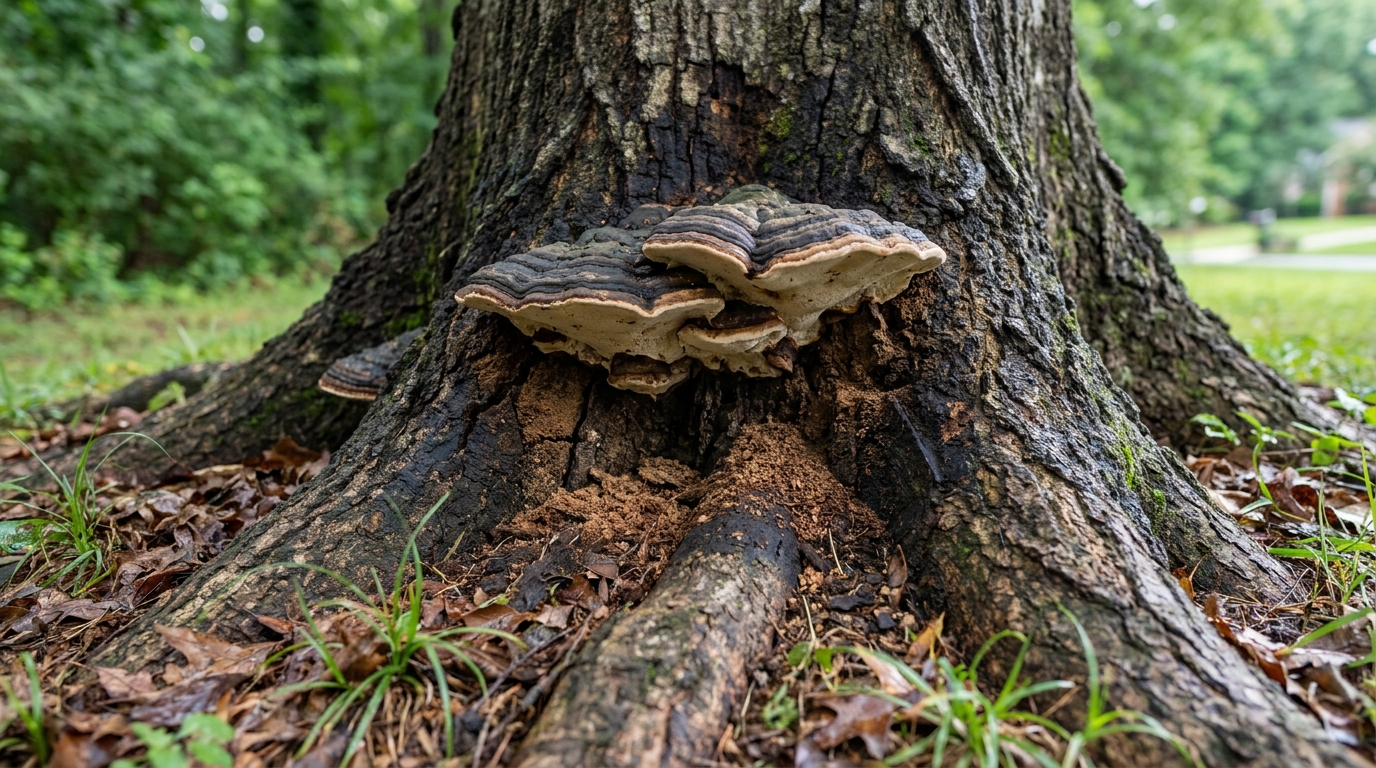
- Fungal Growths: Mushrooms or bracket fungi appearing at the base of the tree or on the trunk often indicate internal rot and decay, particularly in the heartwood.
- Structural Weaknesses: Cracks in the trunk or major limbs, or an unusual lean, can signify structural instability that could lead to failure.
These initial observations are crucial for a timely diagnosis. As experts, we've seen that prompt investigation can often save a struggling tree.
Beyond the Surface: How Environmental Factors Impact Tree Health
The health of a tree isn't just about what's visible; it's deeply tied to its environment. Abiotic (non-living) stressors play a significant role in tree decline. For instance, excessive soil moisture and high soil salts can severely impact tree vigor and growth, often leading to symptoms similar to drought stress. Urban environments present unique challenges:
- Soil Conditions: Compacted, degraded, or contaminated soils can limit root growth, oxygen, and nutrient uptake. Construction activities often exacerbate these issues.
- Water Stress: Both drought and overwatering (leading to oxygen-deprived roots) are primary contributors to tree decline.
- Temperature Extremes: Late spring frosts, extreme heat, and winter desiccation can damage leaves and stress the tree, forcing it to deplete energy reserves.
- De-icing Salts: These can damage soil chemistry, dehydrate roots, and cause leaf scorch.
- Competition for Space: Trees in urban settings often compete with infrastructure (utilities, sidewalks, buildings) for crucial above-ground and below-ground space.
Many of these stressors are further compounded by human activities, such as improper planting (trees planted too deep, circling roots) and mechanical damage from lawn equipment, which create entry points for pests and diseases. Understanding these underlying factors is key to truly effective tree care.
Common Pests and Diseases: Identifying Local Threats
Beyond environmental factors, trees are constantly battling biotic threats—insect pests, fungi, and diseases. Identifying these threats requires recognizing specific signs and symptoms:
Insect Pests
- Defoliators: Pests like Gypsy Moths and Tent Caterpillars consume leaves, leading to defoliation. Look for egg masses, silken tents, or chewed foliage.
- Borers: Beetles such as the Emerald Ash Borer or Asian Longhorn Beetle tunnel into the tree's wood, causing significant internal damage. Signs include D-shaped exit holes, sawdust accumulation, and crown dieback.
- Sap-Suckers: Aphids and Scale Insects feed on tree sap, leaving behind sticky honeydew which can lead to sooty mold. Yellowing, curling, or misshapen leaves are common symptoms.
Tree Diseases
Tree diseases are often caused by fungi, bacteria, or viruses, and their manifestation varies greatly:
- Anthracnose: Causes irregular spots and burnt foliage, often on sycamores, maples, and oaks.
- Fire Blight: A bacterial disease making affected areas look scorched, common in apple and pear trees.
- Root Rots: Caused by fungi like Armillaria, these diseases attack the root system, leading to decay, instability, stunted growth, and yellowing foliage.
- Cankers: Necrotic areas on bark, often entering through wounds, can weaken the tree and lead to branch dieback.
A "disease triangle" of host, pathogen, and environment dictates how susceptible a tree is. A stressed tree is more vulnerable to these attacks, underscoring the importance of good overall tree health.
Storm Damage Aftermath: Uncovering Hidden Dangers
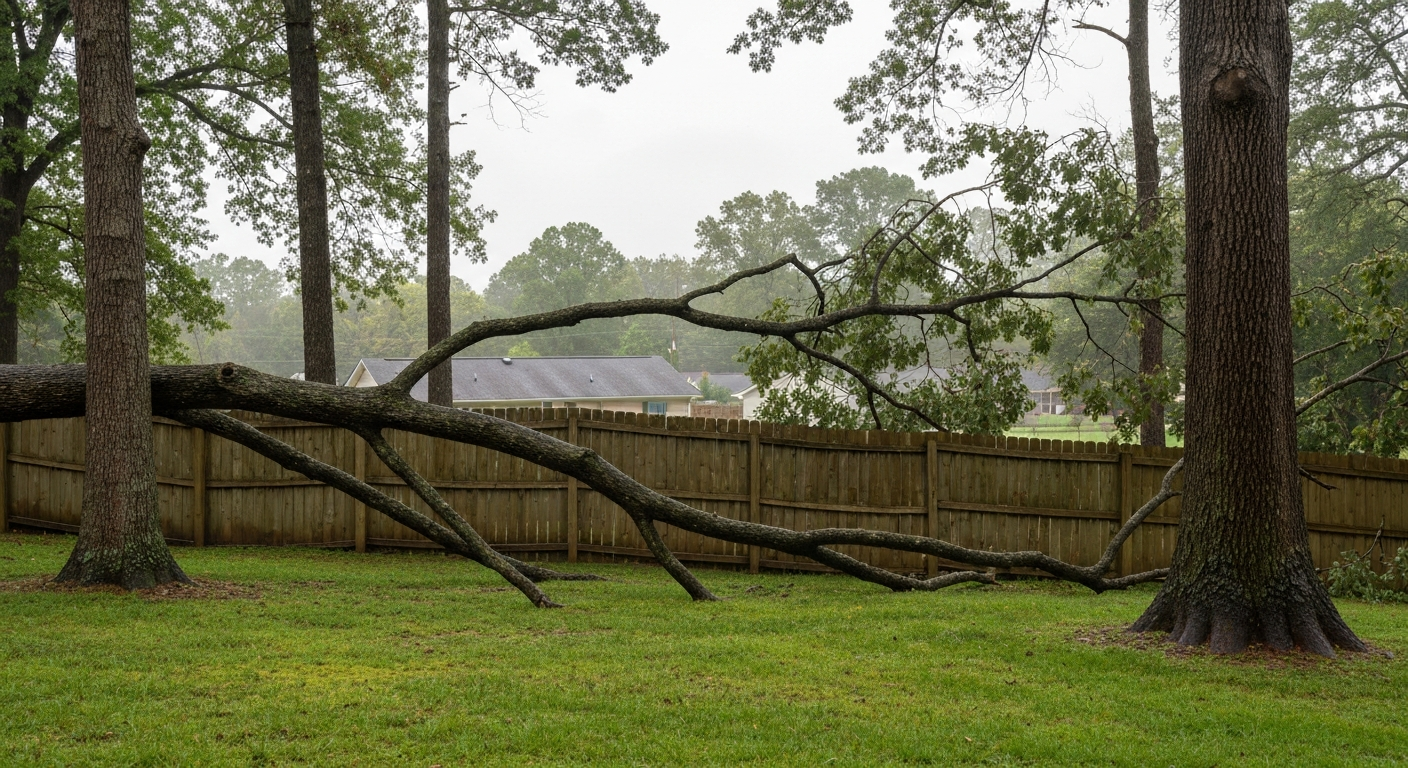
Even after severe weather passes, the dangers to your trees and property can persist. Emergency crews often report that many injuries occur during cleanup due to hazards that aren't immediately obvious. A tree may appear fine, but its roots could be weakened, or internal stress fractures may have formed.
When assessing storm-damaged trees, look for:
- Hidden Cracks: Carefully inspect the trunk and large limbs for subtle cracks that may indicate structural compromise.
- Soil Heaving: Examine the base of the tree for displaced soil, which can indicate root damage or partial uprooting.
- "Widowmakers": These are broken limbs hung up in other branches, posing a significant falling hazard.
- Lightning Damage: Strips of bark may be lifted or blown off vertically, or the tree could be cracked or split, even if it doesn't immediately fall. Internal damage from lightning can lead to wilting or death weeks later.
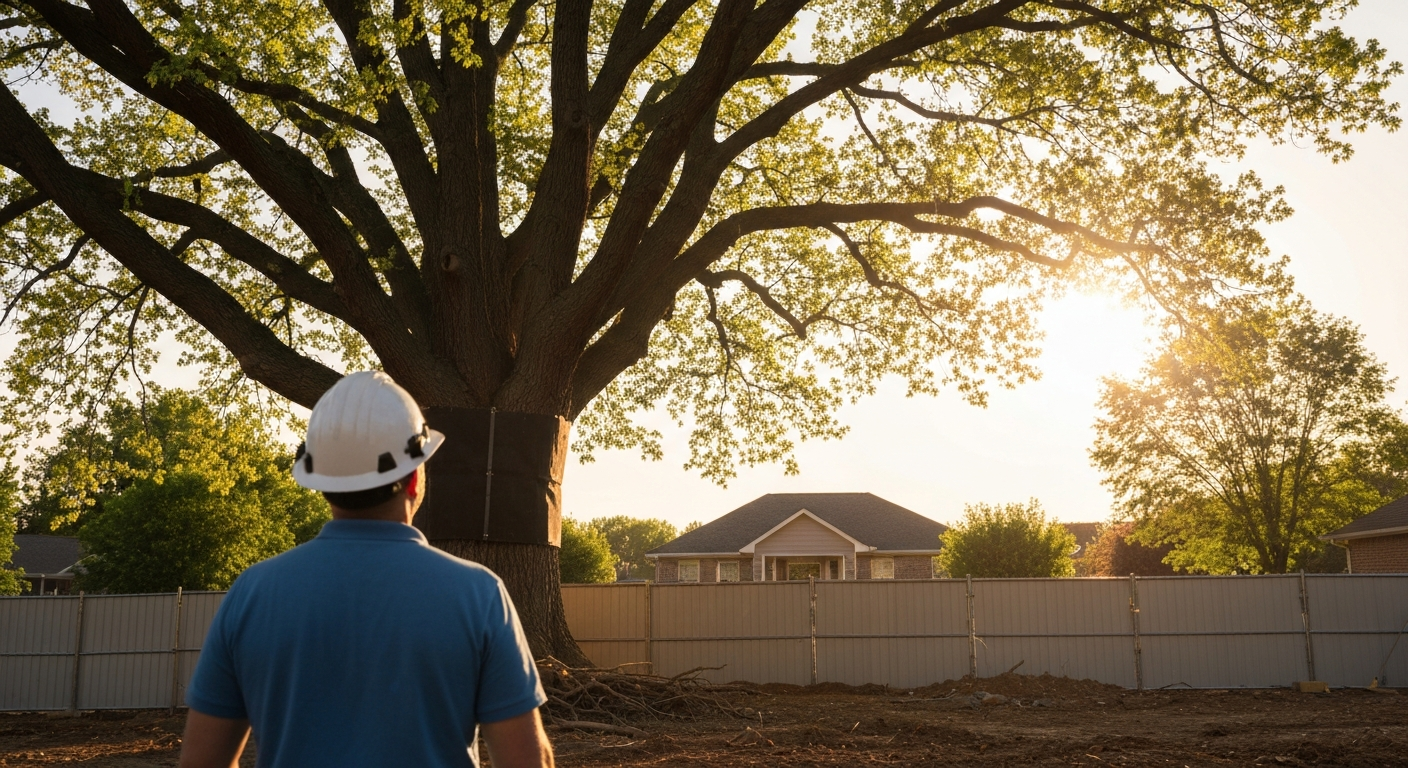
Clark's Tree Care LLC provides crane-assisted tree removal and hazardous tree removal services to address these critical issues safely and efficiently. Always prioritize safety and allow professionals to handle work around power lines or large, compromised trees.
The Risks of DIY: Why Professional Care Matters for Pruning and Roots
While minor yard work might seem manageable, certain tree care tasks, especially pruning and root management, carry significant risks if not performed correctly. Improper pruning, such as tree topping, can severely stress a tree, leading to prolific but weakly attached new growth and making it highly susceptible to decay and future storm damage. Professional arborists understand that making heading cuts without considering lateral branches and natural defenses can expose the tree to decay organisms, weakening its structural integrity over time.
Root health is equally delicate. Tree root systems are vital for anchorage and nutrient absorption, yet they are surprisingly shallow. Cutting roots, particularly those larger than an inch in diameter or close to the trunk, can be highly injurious, especially to older trees. It can lead to decline or even the tree falling over. This is particularly true on shallow, compacted, or poorly drained soils where roots tend to grow closer to the surface. For example, a common nursery practice of mounding soil around tree bases can bury major roots, preventing them from getting adequate oxygen and water, contributing to poor health in the long run.
Professional arborists are trained in proper tree trimming and pruning techniques, understanding tree biology and defense systems to make cuts that promote wound closure and compartmentalization of decay. They can also assess root systems and recommend appropriate actions, such as preventive root pruning for young street trees to mitigate sidewalk damage, or alternative solutions to root disruption, minimizing harm to the tree's stability and health.
Your Year-Round Routine: Seasonal Checks for Optimal Tree Health
Maintaining optimal tree health is an ongoing process that requires year-round attention. A proactive approach, often referred to as Plant Health Care (PHC), focuses on prevention, early detection, and targeted intervention rather than simply reacting to problems. This systematic approach saves homeowners money in the long run by addressing issues before they become emergencies.
A comprehensive PHC program from a professional tree care service includes:
- Annual Arborist Inspections: Regularly scheduled inspections, ideally in late winter or early spring, allow a certified arborist to assess the overall health of each tree, checking root zones, trunks, canopy density, and early signs of pests or disease. This forms the foundation of any effective health plan.
- Soil Management: Testing soil to identify deficiencies, applying organic amendments, and targeted fertilization based on species and conditions are crucial. Addressing soil compaction through methods like vertical mulching or air spading improves root health.
- Pest Monitoring and Treatment: Throughout the growing season, especially when insect populations peak, trees should be monitored for destructive pests. Treatments are applied only when necessary and aligned with the pest's life cycle, reducing chemical use and protecting beneficial insects.
- Disease Prevention and Intervention: Preventive fungicide applications for susceptible species in early spring and prompt intervention when disease symptoms appear are vital, particularly in climates where fungal diseases thrive.
Adopting a year-round plant health care program ensures your trees are resilient and better able to withstand environmental stressors, pests, and diseases, thereby reducing the risk of storm damage and costly emergency services.
The Long-Term Value of Early Intervention with Clark's Tree Care
The decision to address tree health issues early is an investment that pays dividends in safety, aesthetics, and property value. Healthy, well-maintained trees significantly boost curb appeal and can increase property value. Conversely, neglecting an unhealthy tree can lead to structural instability, creating safety hazards from falling branches or complete tree failure, especially during storms. The financial implications of reactive tree care—emergency removal, permit fees, and the cost of replacement plantings—far outweigh the cost of proactive management.
At Clark's Tree Care LLC, we emphasize the importance of early intervention. Our expertise in diagnosing and treating tree ailments, coupled with services like tree removal when necessary, ensures the health and safety of your landscape. We understand that a mature tree takes decades to grow and cannot be quickly replaced. By partnering with us, you're not just getting tree care; you're securing the long-term vitality of your trees and the peace of mind that comes with a beautiful, safe property.