Clark's Tree Care: How Tree Reduction Enhances Tree Health and Safety for Your Property
Understanding Strategic Tree Reduction for Your Property
Maintaining a beautiful and safe property often involves strategic care for your trees. One critical aspect of this care is tree reduction, a practice that, when performed correctly, ensures the longevity and structural integrity of your valuable landscape assets. Proper Tree Reduction Enhances Tree Health and Safety, safeguarding your property from potential hazards while fostering robust growth. This isn't merely about aesthetic trimming; it's a science-backed approach to tree management that distinguishes itself sharply from harmful practices like tree topping.
What Exactly is Tree Reduction and Why Does it Matter?
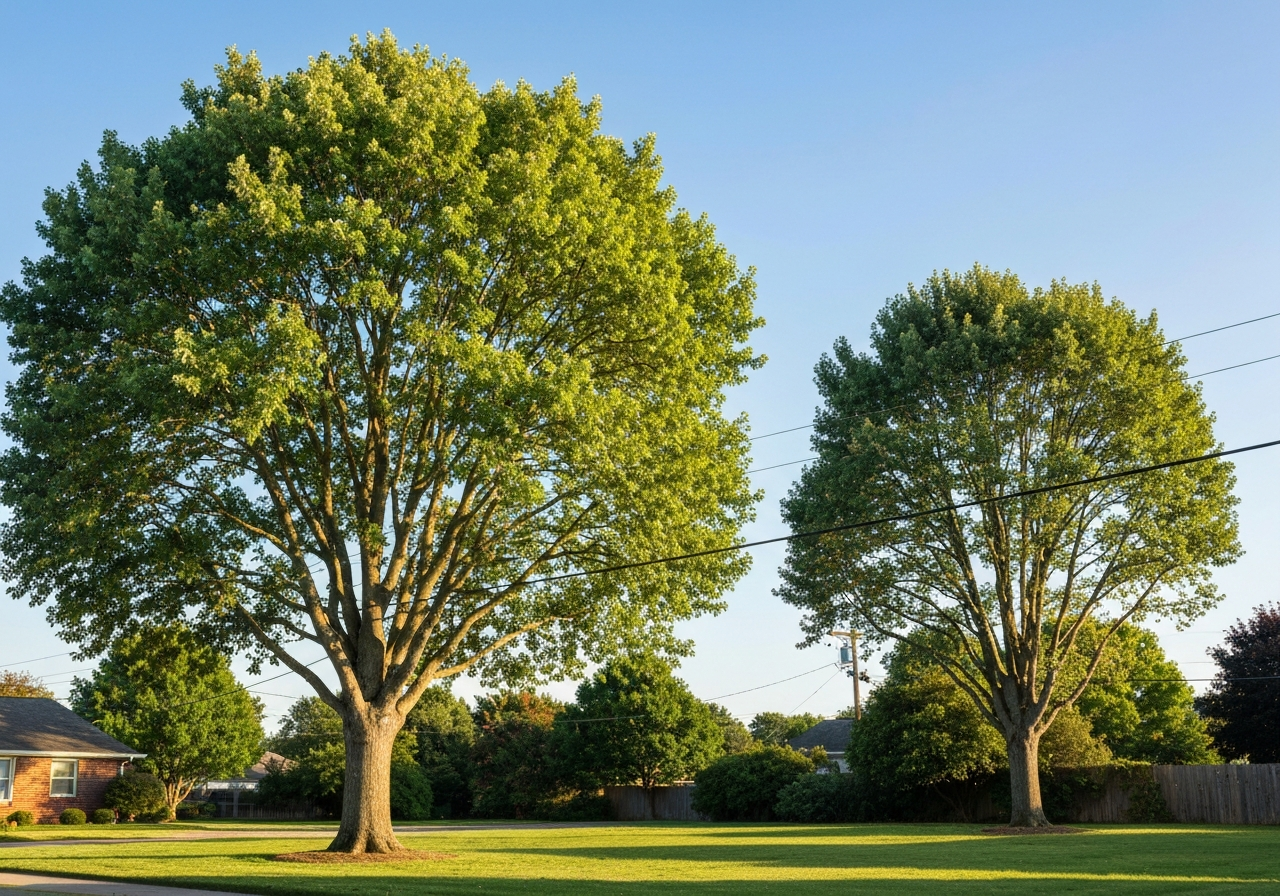
Tree reduction, specifically known as crown reduction pruning, is a professional arboricultural technique aimed at decreasing the height and/or spread of a tree's crown. Unlike tree topping, which involves indiscriminate cuts leaving unsightly stubs prone to decay and weak regrowth, crown reduction is a selective process. It involves cutting branches back to suitable lateral branches, ensuring the remaining branch is at least one-third the diameter of the removed portion, as detailed by Tree Care Zone. This method preserves the tree's natural shape, structural integrity, and long-term health, directly impacting its ability to thrive within its environment. An arborist, a professional in arboriculture, understands the nuances of these techniques, applying them to cultivate and manage individual trees for optimal health.
How Tree Reduction Enhances Tree Health and Safety
The benefits of proper tree reduction extend far beyond mere appearance. By carefully reducing the crown, trees experience a multitude of health improvements:
- Improved Air Circulation and Light Penetration: Selective removal of branches reduces canopy density, allowing better air flow and sunlight to reach inner foliage and the ground below. This promotes healthier growth throughout the tree and can positively impact surrounding vegetation.
- Reduced Stress and Disease Prevention: Unlike the severe stress caused by topping, which leads to massive foliage loss and open wounds, crown reduction minimizes stress. Proper cuts allow the tree to compartmentalize wounds effectively, preventing the entry and spread of pathogens and pests. Research suggests that smaller cuts are always better, as they require fewer resources for healing and minimize tissue exposure to pathogens, as highlighted in Tree-Pruning Essentials: Part One.
- Enhanced Structural Strength: Strategic reduction cuts help to maintain a strong, stable branch structure by promoting a dominant leader and appropriate aspect ratios between branches and the trunk. This proactive approach to correcting structural faults significantly reduces the risk of future branch failure, especially as the tree matures.
- Increased Vitality: By removing dead, dying, or weakly attached branches, the tree can allocate its energy resources more efficiently to healthy growth. This improved vitality contributes to a tree's overall resilience and lifespan.
Beyond Aesthetics: The Critical Safety Benefits of Tree Reduction
Safety is a paramount concern for property owners, and tree reduction plays a crucial role in mitigating potential hazards. Unmanaged tree growth can pose significant risks:
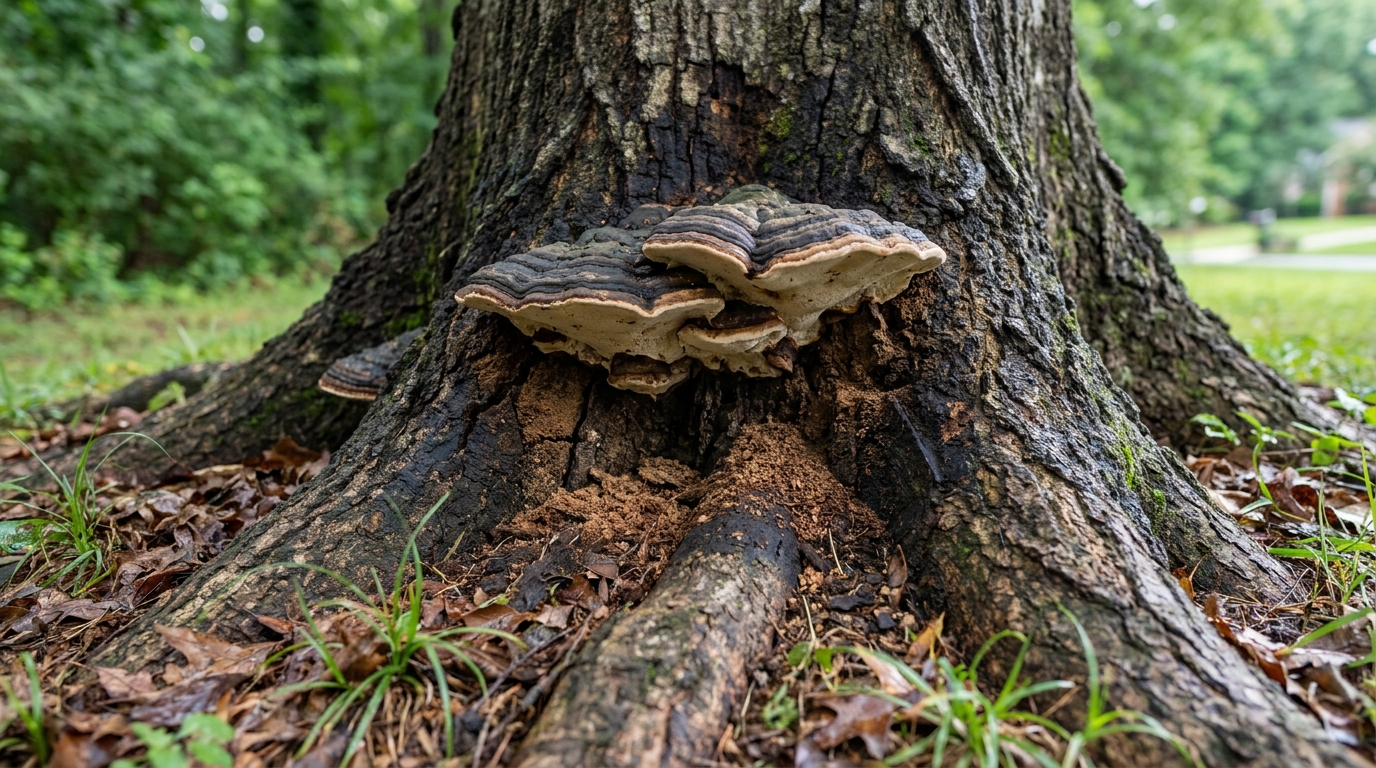
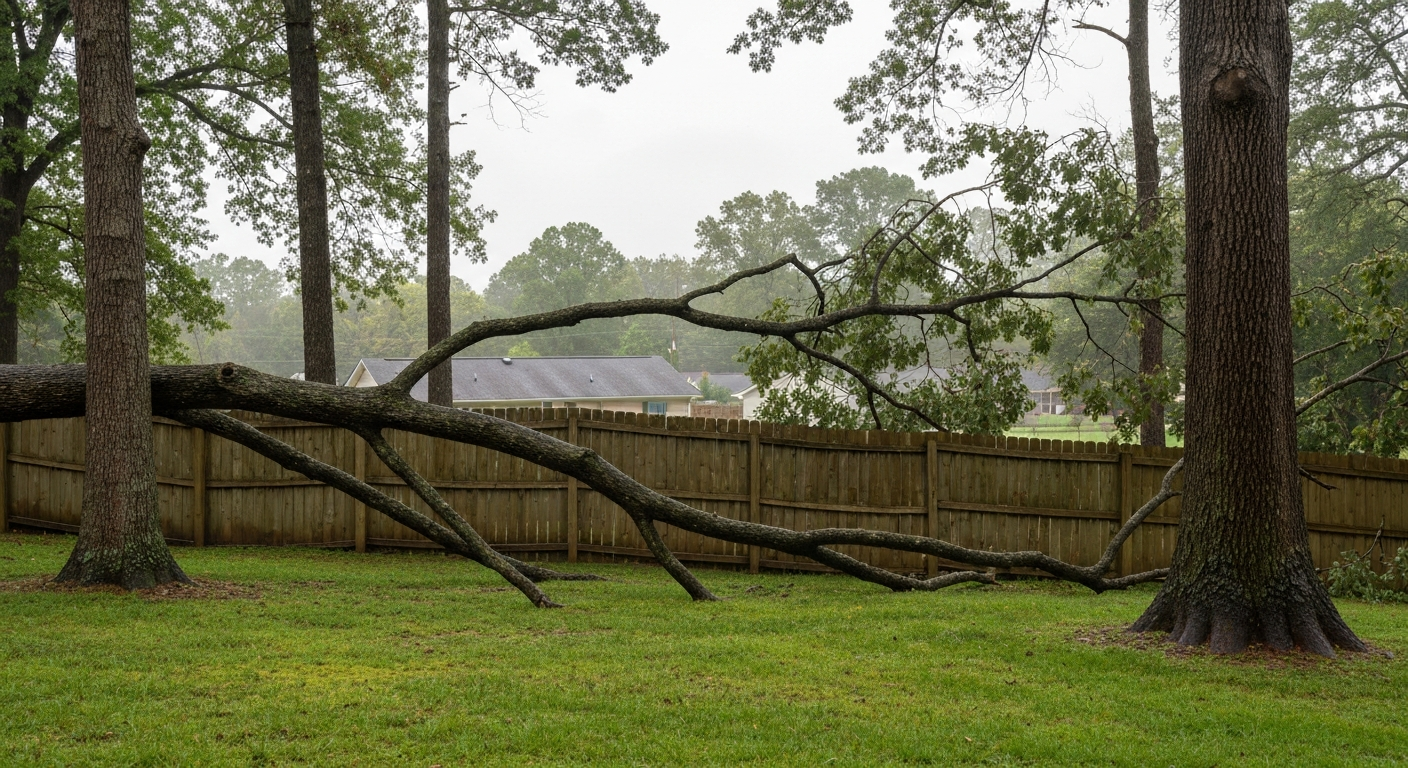
- Mitigating Risk of Failure: Trees, particularly those with internal decay or poor structural integrity, can present a significant hazard, especially during adverse weather conditions. Effective tree risk management involves assessing factors like tree size, species characteristics, health, and proximity to structures. Reduction pruning can decrease mechanical loads on large branches and stems, thereby enhancing stability.
- Preventing Property Damage: Overgrown branches can scrape against roofs, clog gutters, or even damage the structural integrity of your home during storms. Proactive reduction maintains safe clearance from buildings, power lines, driveways, and walkways, preventing costly damage.
- Ensuring Utility Line Clearance: Trees growing too close to power lines are a common safety concern, leading to outages and potential fire hazards. Controlled height reduction is essential to keep these critical utilities safe and functional.
- Reducing Wind Resistance: A dense, overgrown canopy acts like a sail in high winds, increasing the likelihood of storm damage. Crown reduction helps reduce this "wind sail effect," improving the tree's resistance to severe weather.
Recognizing When Your Trees Need Professional Reduction
Understanding when your trees require professional intervention for reduction is key to maintaining a safe and healthy property. Here are some clear indicators:
- Proximity to Structures or Power Lines: If branches are within 10 feet of utility lines or actively touching your roof or siding, reduction is immediately necessary.
- Overgrown Canopy: When a tree's canopy becomes disproportionately large for its location, blocking sunlight to your home or garden, or creating excessive shade.
- Signs of Stress or Damage: A history of storm damage, excessive swaying in wind, or branches with a large aspect ratio (diameter relative to the trunk) suggest a need for structural improvement.
- Obstructed Views: If an overgrown tree is blocking a desired view, targeted reduction can reclaim it while preserving the tree.
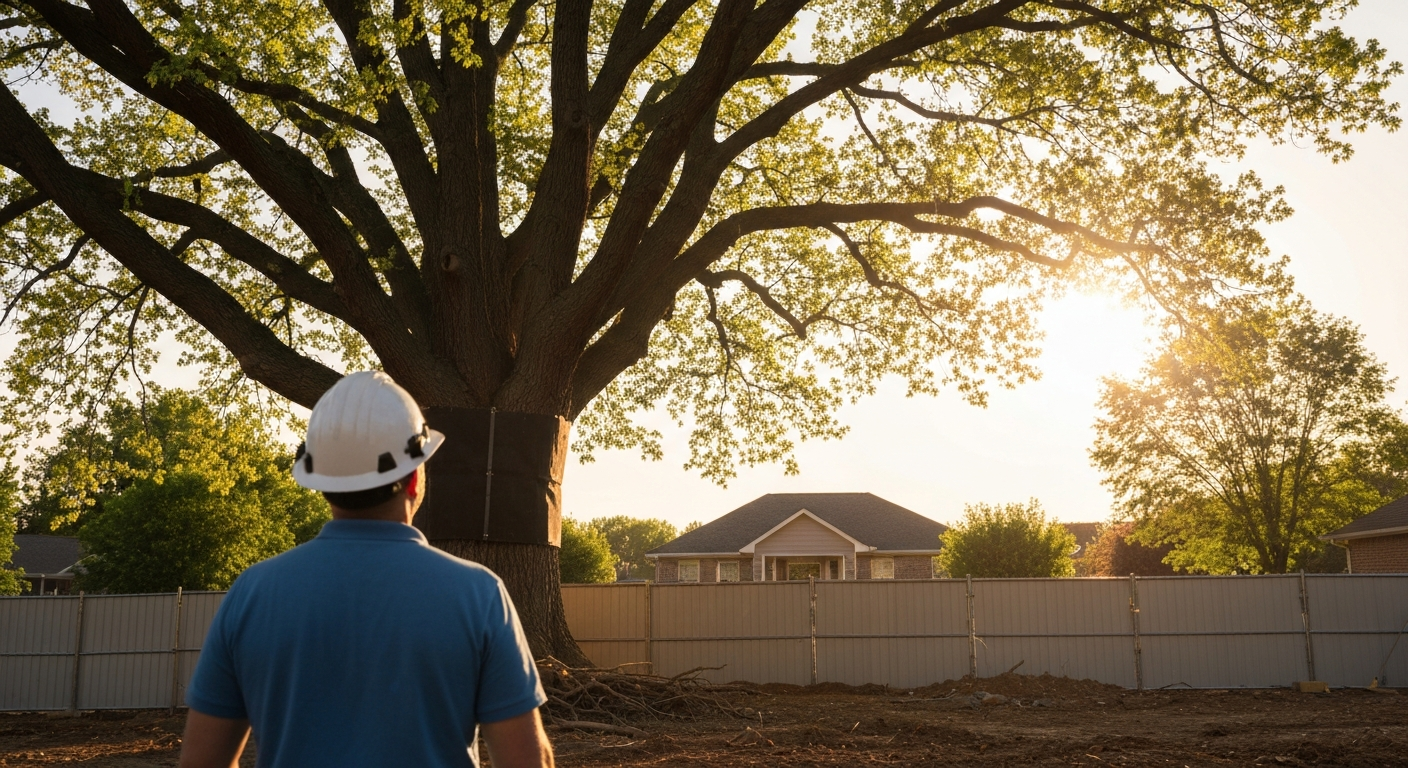
It is crucial to differentiate between necessary reduction and alternative pruning methods like crown thinning (removing inner, crossing, or dead branches) or crown raising (removing lower limbs for clearance). For anything beyond minor, easily accessible pruning, engaging a certified arborist is highly recommended, as they possess the expertise and adherence to safety protocols necessary for proper tree care.
Choose Clark's Tree Care for Expert Tree Reduction Services
When it comes to the health and safety of your trees and property, entrusting the work to qualified professionals is paramount. At Clark's Tree Care LLC, we specialize in expert tree reduction services, utilizing techniques that adhere to ANSI A300 pruning standards and ISA best practices. Our team understands that every tree and property is unique, offering controlled height reduction and canopy management that preserve your tree's health and enhance your property's safety. We prioritize precision and safety in every job, ensuring your trees are managed for long-term vitality without resorting to detrimental practices like tree topping. Our commitment to proper arboricultural practices means your trees receive the care they need to thrive and remain a valuable asset to your landscape.
Secure Your Property: A Call to Action for Healthy, Safe Trees
Investing in professional tree reduction is an investment in the long-term health and safety of your property. By choosing strategic crown reduction over harmful topping, you not only preserve the natural beauty and ecological benefits of your trees, but also proactively protect your home and loved ones from potential hazards. Regular, expert tree care contributes to a more resilient landscape, capable of withstanding environmental challenges and continuing to provide shade, improve air quality, and enhance overall quality of life, as highlighted by the EPA and Morton Arboretum. Ensure your trees are a source of pride and peace of mind by partnering with experienced arborists who understand the science and artistry of proper tree care.