Clark's Tree Care LLC: 12 Expert Tips for Keeping Trees Healthy and Thriving
Introduction: Essential Tips for Keeping Trees Healthy with Clark's Tree Care LLC
Healthy trees enhance property value, offer environmental benefits, and contribute to a thriving landscape. At Clark's Tree Care LLC, we understand the importance of proper tree maintenance for their longevity and vitality. This guide provides essential tips for keeping trees healthy, from strategic planting to expert pruning, ensuring your trees thrive for years to come.
1. Why Healthy Trees Matter: The Benefits for Your Property
Trees are a vital part of our environment and a significant investment in your property. Beyond their aesthetic appeal, healthy trees provide numerous benefits, including increased property value, reduced energy costs through shade, improved air quality, and enhanced local ecosystems. They act as living infrastructure, preventing soil erosion and reducing stormwater runoff. Conversely, neglected trees can become hazardous, posing risks to property and safety. Regular care helps prevent common issues stemming from environmental, mechanical, or chemical stress, ensuring your trees reach their full lifespan and continue to provide these invaluable benefits.
2. Strategic Planting: Giving Your Trees the Right Start and Space
The journey to a healthy tree begins with proper planting. Selecting the right species for your local climate and soil conditions is crucial. Ensure adequate space for the tree's mature size, considering overhead wires, structures, and potential root expansion. A common mistake is planting too deep; the root flare, where the trunk widens at the soil line, should be visible at ground level. Digging a hole two to three times wider than the root ball, but only as deep as the root flare, allows roots to spread properly. For newly planted trees, consistent watering during the first few growing seasons is critical for establishing a strong root system.
3. Freedom to Grow: Removing Constricting Ties and Attachments
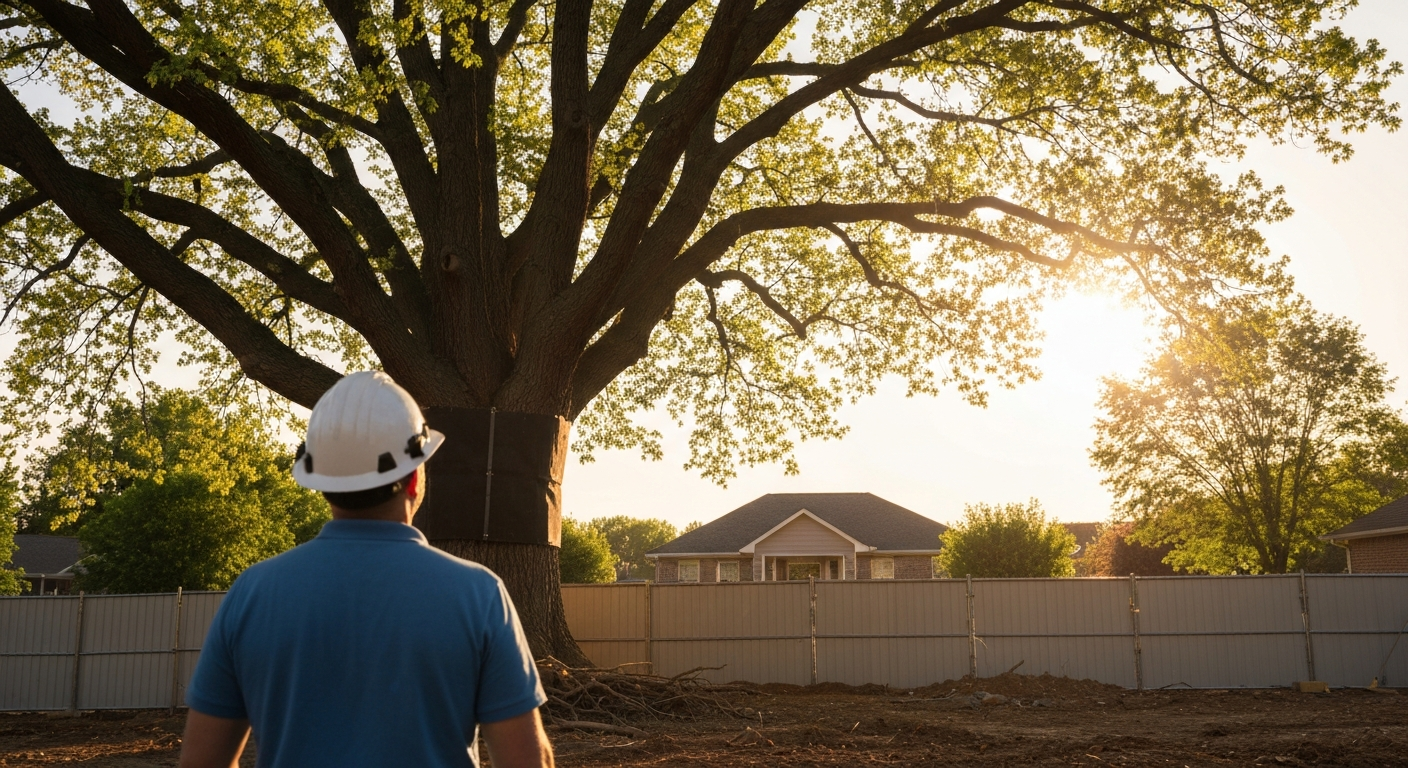
As trees grow, their trunks and branches expand in diameter. Anything left wrapped around the trunk, such as old tree ties, wires, or even abandoned hammocks, can "girdle" or strangle the tree. This inhibits the flow of water and nutrients, eventually killing the tree or parts of it above the constriction. When staking a young tree, use flexible ties and remove them after one growing season. If longer support is needed, loosen the ties annually. Always ensure that no attachments restrict the natural growth and expansion of the tree trunk.
4. The Truth About Tree Wounds: When to Let Nature Heal
Tree wounds, whether from mechanical damage or improper pruning, are entry points for pests and diseases. While it may be tempting to "treat" a tree wound with paint or cavity fillers, these artificial substances often hinder the tree's natural healing process. Trees compartmentalize wounds by forming callus tissue around the injury, effectively sealing it off. Removing loose or shredded bark back to firmly attached tissue can aid this process. However, deeply buried root flares can lead to girdling roots that strangle the tree, a problem that often goes unnoticed until the tree declines. Unless specifically advised by a professional for particular diseases (like oak wilt or Dutch elm disease), it's generally best to let nature take its course in healing.
5. Quenching Their Thirst: Mastering Proper Watering Techniques
Water is fundamental for tree health, but both over and under-watering can be detrimental. Young trees require consistent moisture for the first two to three years to establish their root systems. For established trees, deep and infrequent watering is more beneficial than shallow, frequent sprinkles. Aim to moisten the soil to a depth of 6-12 inches, encouraging roots to grow deeper, which makes the tree more drought-resistant. A general guideline is 10 gallons of water per week for every inch of the tree's diameter. Check soil moisture by digging a few inches down; if it's dry, it's time to water. Water early in the morning or late afternoon to minimize evaporation. Consider using soaker hoses, drip irrigation, or tree watering bags for efficient delivery directly to the root zone. Avoid watering the trunk directly, as constant moisture can promote fungal growth.
- Deep Watering: Encourages resilient, deep root growth.
- Timing: Water early morning or late afternoon to reduce evaporation.
- Frequency: Typically every 7-10 days in dry weather, adjusting for soil type and tree size.
- Tools: Soaker hoses, drip irrigation, or tree watering bags are effective.
6. The Mulch Advantage: Applying It Correctly for Root Health
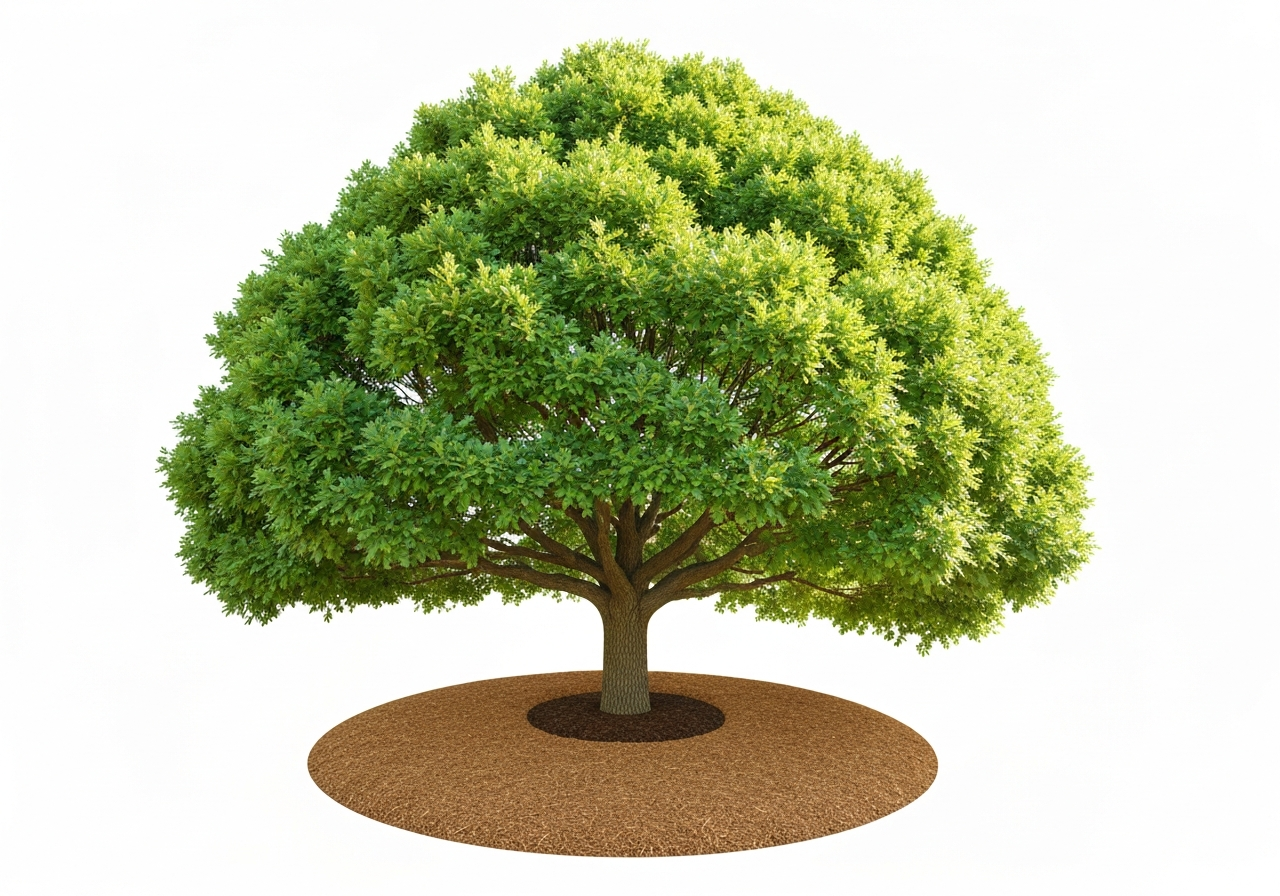
Mulching is one of the most impactful tips for keeping trees healthy. A 2-4 inch layer of organic mulch (like wood chips, pine straw, or compost) around the base of your tree offers numerous benefits. It conserves soil moisture, regulates soil temperature, suppresses weeds, and enriches the soil as it decomposes. However, improper mulching, often called "volcano mulching" (piling mulch against the trunk), can severely harm trees. This traps moisture against the bark, leading to rot, insect infestations, and girdling roots. Always apply mulch in a "donut" shape, leaving a few inches of space around the root flare to ensure proper air circulation and prevent decay. Extend the mulch as wide as possible, ideally to the tree's drip line (the edge of the canopy), to maximize its benefits.
Benefits of Proper Mulching:
- Conserves soil moisture, reducing watering needs.
- Moderates soil temperature, protecting roots from extremes.
- Suppresses weed growth, eliminating competition for resources.
- Improves soil structure and fertility over time.
- Protects the trunk from mechanical damage from mowers and trimmers.
7. Protecting the Trunk: Guarding Against Mechanical Damage
The trunk is the tree's lifeline, transporting water and nutrients. Damage to the bark, especially in young trees with thin bark, exposes the delicate cambium layer to disease and pests. Common culprits include lawnmowers, string trimmers, and even deer. To prevent such mechanical injuries:
- Maintain a generous mulch ring around the tree's base to keep equipment away.
- Install physical barriers like tree guards made from chicken wire, metal screening, or specialized tree wrap. Ensure these materials are light-colored to prevent heat buildup and are not constricting as the tree grows.
- For deer, consider repellents and taller protective cages (at least 6 feet high and a few feet from the trunk) during mating season.
- Whitewashing (painting the trunk with white latex paint) can protect thin-barked trees from sunscald and frost cracks, especially in areas with sudden temperature swings.
Protecting the trunk prevents girdling, which can be fatal if the bark is damaged all the way around, severing the connection between roots and canopy.
8. The Art of Pruning: Keeping Trees Healthy Through Expert Cuts
Proper pruning is an art and science that promotes a tree's health, structure, and safety. While many believe annual pruning is necessary, over-pruning can lead to weak "watersprouts." Instead, focus on removing branches that are: dead, diseased, damaged, or deranged (crossing and rubbing). The timing of pruning can vary by species, but generally, the dormant season (late fall to early spring) is ideal for most deciduous trees, as it minimizes stress and the risk of pest and disease entry. Exceptions include "bleeder" trees (maple, birch, walnut), which are best pruned in mid-winter or early summer to avoid excessive sap flow (though not harmful), and oaks and elms, which should be pruned during dormancy to prevent disease transmission (e.g., Dutch elm disease, oak wilt). Always make clean cuts just outside the "branch collar," the swollen area where the branch meets the trunk or a larger branch. This collar contains vital healing tissues. Avoid "topping," which severely damages trees and promotes weak, hazardous growth.
Basic Pruning Cuts:
- **Thinning Out:** Removes entire branches back to a main limb or trunk to improve light and air circulation.
- **Heading Back:** Shortens a branch by cutting it back to a bud or side shoot, directing new growth.
- Three-Cut Method for Large Branches: Prevents bark tearing.
- Make an undercut a few inches from the branch collar.
- Saw through the branch from above, further out from the undercut, to remove most of the weight.
- Make the final, clean cut just outside the branch collar.
9. Decoding Distress: Recognizing Signs Your Tree Needs Attention
Early detection of tree distress can be crucial for successful intervention. Your trees often communicate their needs through visible signs. Here are common indicators that your tree requires attention:
- **Discolored Leaves:** Yellow or brown leaves earlier than usual can signal nutrient deficiencies, pests, or disease.
- Wilting or Drooping Foliage: A classic sign of under-watering or root problems.
- Dead or Weak Branches: Indicates a structural issue, disease, or pest infestation.
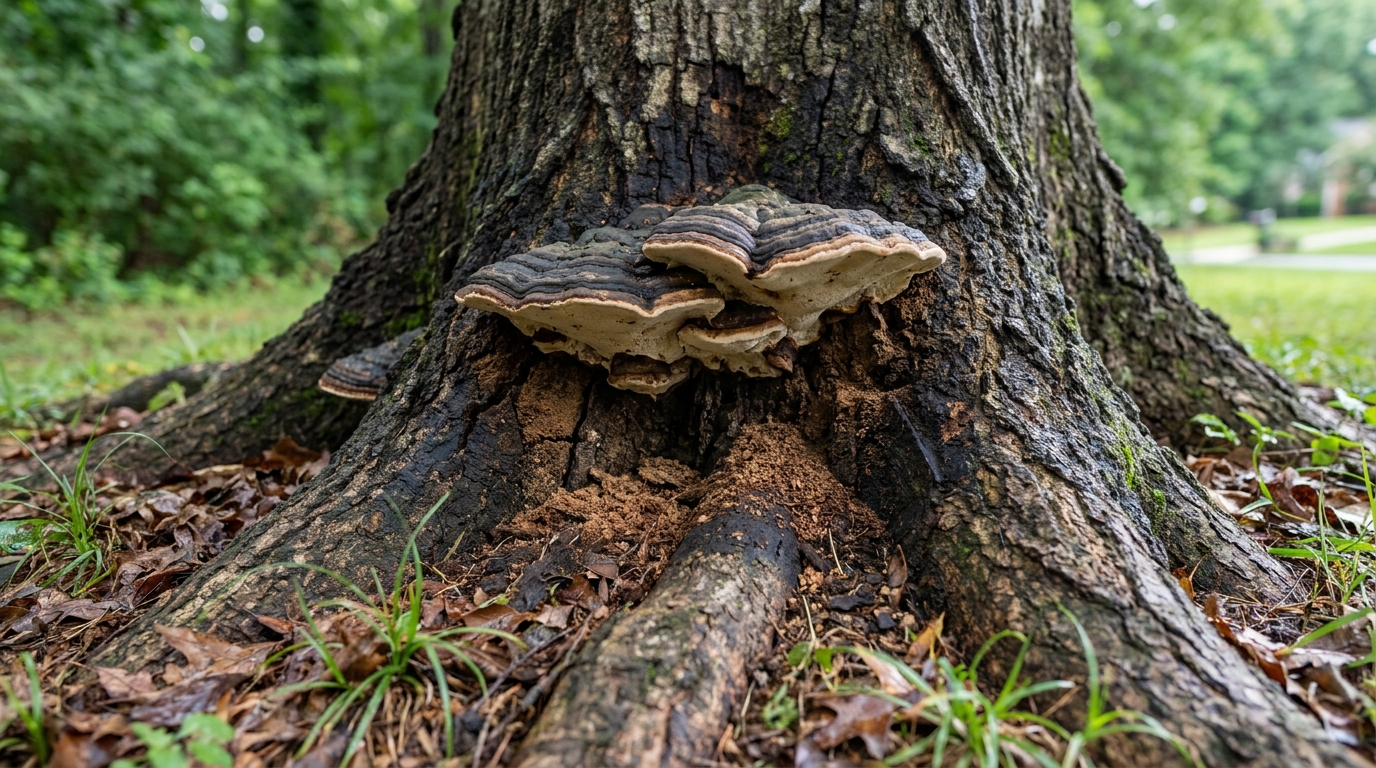
- Fungus Growth: Mushrooms or other fungi on the trunk or soil can point to root rot or decay.
- Pest Activity: Visible insects, chewed bark, or holes in the trunk or leaves.
- Sap Leakage: Excessive sap oozing from the trunk can be a sign of canker diseases.
- Thinning Canopy: A sparse crown might indicate compacted soil, lack of sunlight, or root competition.
- Stunted Growth: The tree isn't growing as expected, suggesting underlying health issues or stress.
- Bark Cracks or Splits: Often caused by frost cracks or sudden temperature changes.
- Leaning or Instability: Can indicate root damage, especially after strong winds.
If you notice any of these signs, prompt assessment can help address the issue before it escalates.
10. Long-Term Investment: Nurturing Trees from Sapling to Maturity
Trees are a long-term investment, and their initial care significantly impacts their future health and structural integrity. For young trees (one to five years old), formative pruning helps establish a strong central leader and well-spaced branches, minimizing the need for major corrective pruning later. Consistent watering and proper mulching during the first few growing seasons are vital for root establishment. As trees mature, regular inspections become important to monitor for signs of distress. Addressing minor issues early on, rather than waiting for them to become significant problems, is key. This proactive approach ensures your trees develop a robust structure, resist environmental stressors, and continue to thrive, providing beauty and benefits for decades or even centuries.
11. Smart Planting Choices: Avoiding Invasive Species for a Healthy Ecosystem
Choosing the right tree species is a critical, long-term tip for keeping trees healthy within their ecosystem. While certain trees might seem appealing in nurseries, some can become invasive, outcompeting native plants and disrupting local biodiversity. Examples include species like Callery Pear (Bradford Pear), Tree-of-Heaven, and Norway Maple. These invasive trees can spread aggressively, reducing habitat and food sources for native wildlife. Prioritize planting native species or non-invasive alternatives that are well-suited to your region's climate and soil. Consulting with local arborists or extension services can help you make informed decisions that support a healthy, balanced landscape and prevent future ecological problems.
12. When to Call the Pros: The Invaluable Role of a Certified Arborist
While many tree care tasks can be handled by homeowners, certain situations warrant the expertise of a professional. A certified arborist possesses specialized knowledge and equipment for complex tree care needs. You should consider calling an arborist from Clark's Tree Care LLC for:
- Large tree pruning or removal, especially near power lines or structures.
- Diagnosis and treatment of advanced tree diseases or pest infestations.
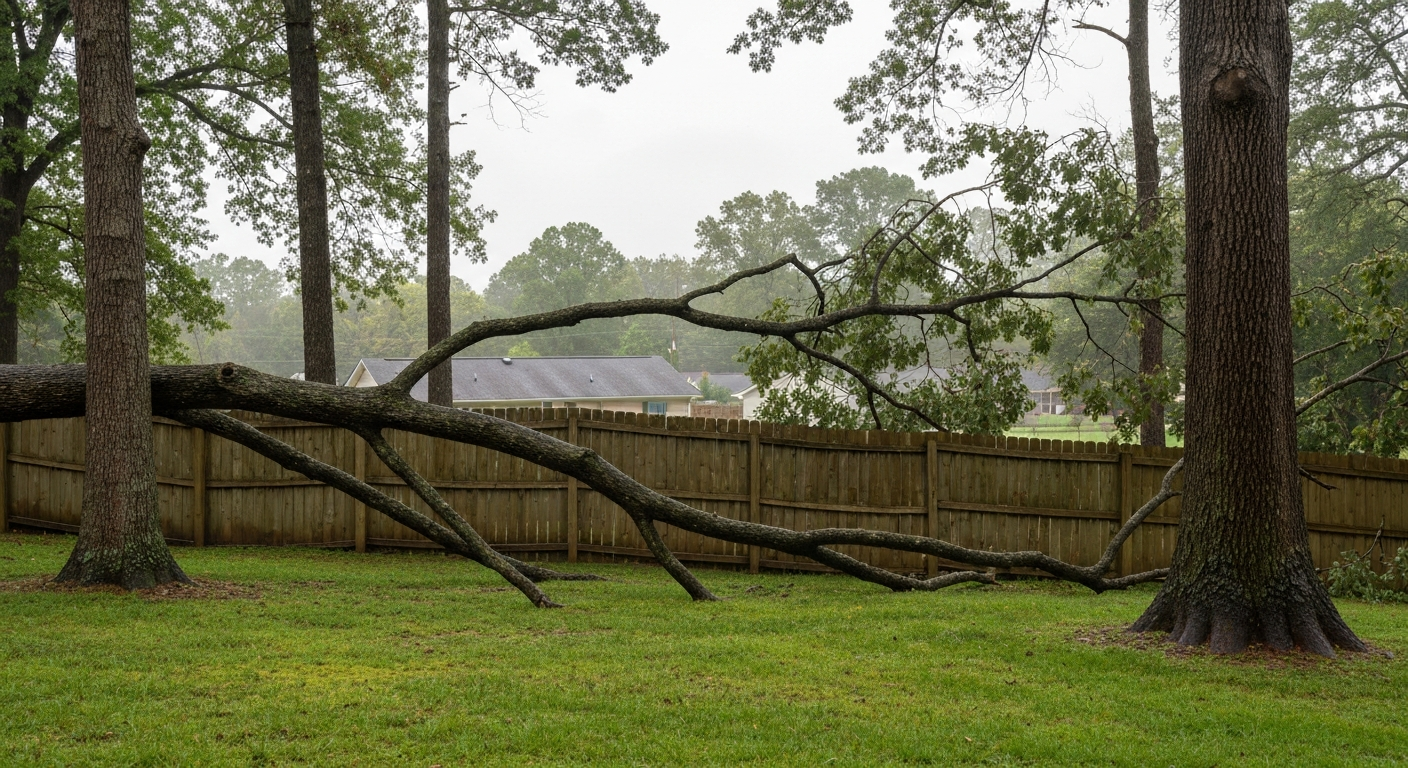
- Assessment of storm-damaged or hazardous trees.
- Root excavation and care for deeply buried root flares.
- Developing a comprehensive Plant Health Care (PHC) plan for proactive maintenance.
- Any tree work requiring climbing or heavy equipment like crane services.
Professionals ensure safety, proper technique, and the best long-term outcomes for your trees. At Clark's Tree Care LLC, we pride ourselves on providing expert tree care services to the Waxhaw and greater Charlotte community.
Partner with Clark's Tree Care LLC for Thriving Landscapes
By implementing these tips for keeping trees healthy, you're investing in the beauty, value, and ecological well-being of your property. For expert assistance with tree removal, trimming, stump grinding, or emergency services, trust the experienced team at Clark's Tree Care LLC. We are dedicated to providing honest, professional tree care at fair prices. We encourage you to visit our gallery to see examples of our work and learn more about us.