Clark's Tree Care LLC: Expert Stump Grinding and Removal Tips for a Pristine Yard
Introduction: Transforming Your Yard with Professional Stump Removal
An unsightly tree stump can disrupt the harmony of an otherwise pristine yard, posing tripping hazards, attracting pests, and hindering future landscaping projects. Successfully addressing these issues requires expert knowledge of stump grinding and removal tips. Whether you're reclaiming space for a new garden or simply enhancing your property's aesthetics, professional stump removal offers a clean, efficient solution, paving the way for a healthier and more beautiful outdoor environment.
Why Bother? The Benefits of Removing Tree Stumps from Your Property
Removing tree stumps goes beyond mere aesthetics; it provides significant practical benefits for your property. Leftover stumps can become havens for pests like carpenter ants, termites, and beetles, which might then spread to other plants or even your home. They can also harbor diseases or fungi that put surrounding vegetation at risk. Beyond pest control and disease prevention, stump removal eliminates tripping hazards, protecting children, pets, and even lawn maintenance equipment from damage. From an aesthetic standpoint, a clear, stump-free yard offers a polished look and opens up possibilities for new landscaping endeavors. Choosing to eliminate tree stumps improves both the sanitation and safety of your property.
The Initial Assessment: Understanding Your Stump's Size and Type
Before any work begins, a thorough assessment of the stump is crucial. The size, type, and age of the stump, along with its location, significantly influence the removal process and cost. Larger, older hardwood stumps typically require more powerful equipment and time than smaller, softer wood varieties. A professional will evaluate the stump's diameter, the type of tree it came from, and how deep its root system might extend. This initial assessment also includes checking the surrounding area for potential obstructions or underground utilities, which is a critical step for planning a safe and effective removal.
Essential Tools and Equipment for Effective Stump Grinding
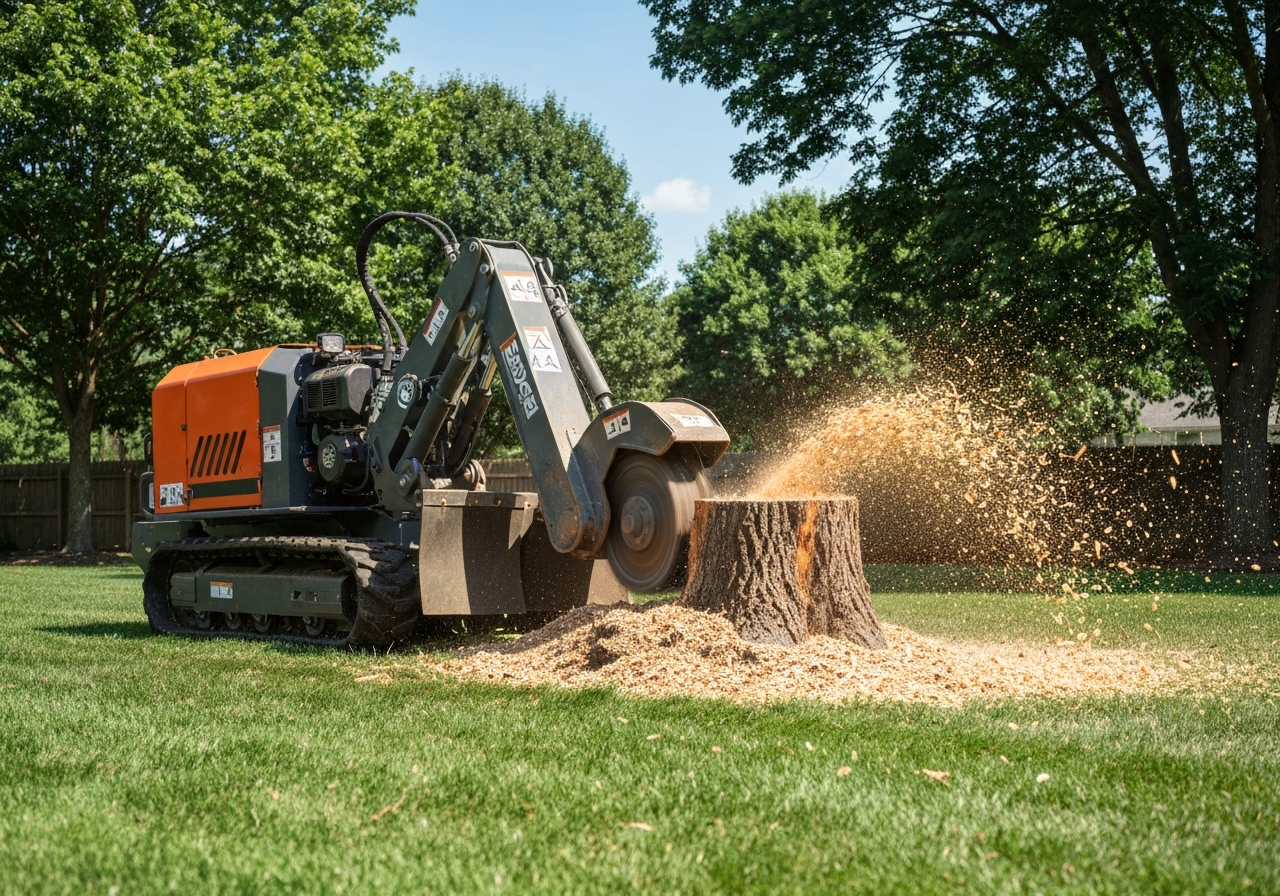
Effective stump grinding relies on specialized tools and equipment designed for the job. The primary tool is a stump grinder, which uses a rotating blade with hardened teeth to chip away at the stump, turning it into wood chips. These machines come in various sizes, from smaller, self-propelled units for residential use to larger, more powerful grinders for extensive projects. Accompanying tools include dirt rakes, shovels, and wheelbarrows for clearing debris. For large stumps or those with deep roots, an excavator might be necessary to pull the stump from the ground entirely. Experts emphasize that using equipment specifically designed for stump removal is the most effective approach.
Safety First: Crucial Precautions for Stump Grinding and Removal
Safety is paramount during any stump grinding or removal operation. Professional tree care involves strict adherence to safety protocols to protect both operators and property. Key precautions include:
- Calling 811: Before any digging or grinding, it's mandatory to call 811 (Diggers Hotline) to have all underground utilities (gas, water, electrical lines) marked. This prevents accidental strikes that can cause serious injury or extensive damage.
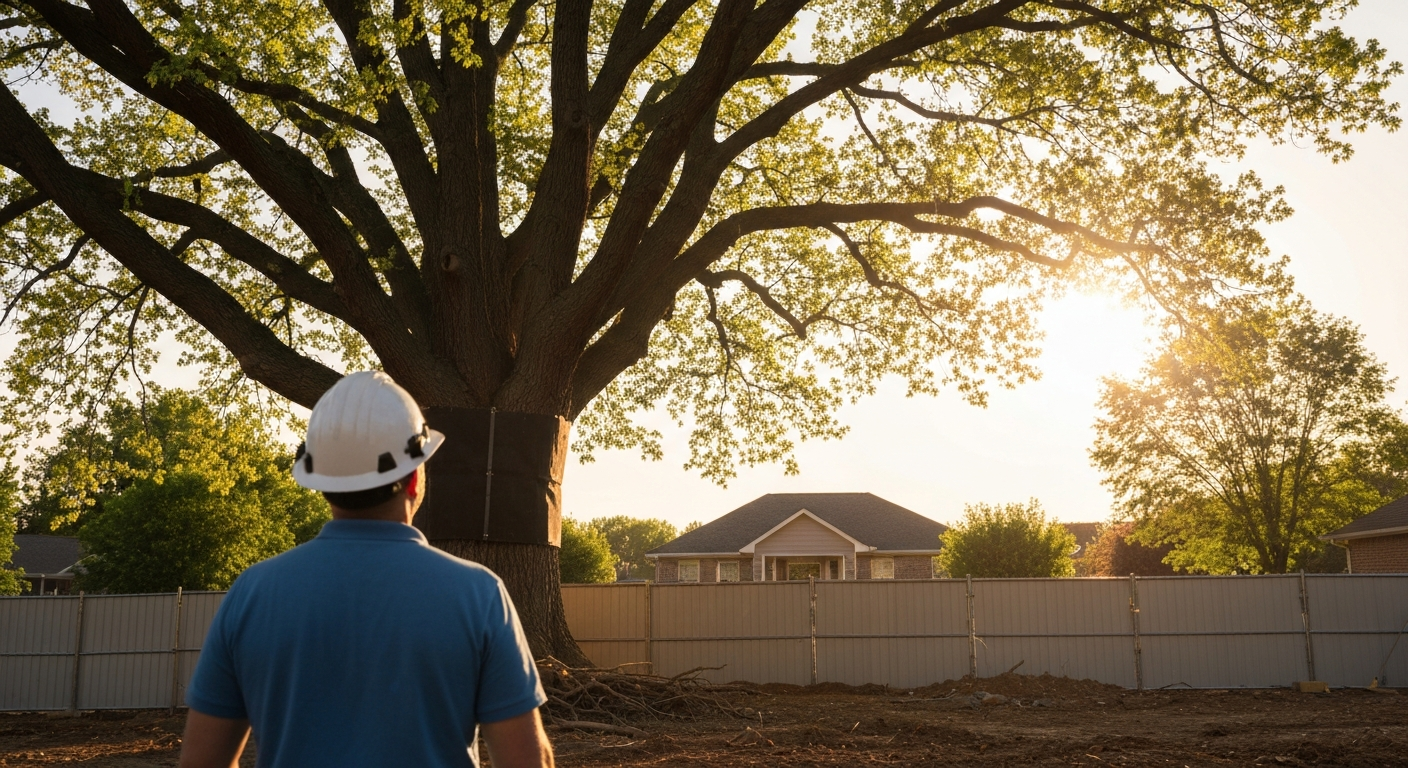
- Personal Protective Equipment (PPE): Operators must wear appropriate PPE, including hard hats or helmets with face shields, safety glasses (ANSI-certified), hearing protection, heavy-duty gloves, long pants, and steel-toed boots.
- Establishing a Safety Zone: A perimeter should be set up around the work area, typically at least 75 feet, to keep bystanders, children, and pets away from flying debris. Protective guards or plywood screens can shield nearby structures like windows and cars.
- Equipment Familiarity: Operators must be thoroughly trained and familiar with the specific stump grinder being used, understanding its controls, safety features, and operation manual.
- Site Preparation: Removing loose rocks, stones, and debris from around the stump minimizes the risk of projectiles.
As experts like those at Clark's Tree Care LLC emphasize, "You do not want to take another individual who is not used to that machine, just give them a two-second rundown on how it works and have them go and grind stumps. You want an operator very familiar with the machine." This focus on trained staff and comprehensive preparation is a real-world lesson often overlooked by those attempting DIY removal, underscoring the value of professional service.
Preparing the Site: Clearing the Area for a Smooth Operation
Once safety precautions are in place, preparing the immediate site for stump grinding is essential for a smooth and efficient process. This involves:
- Clearing Debris: Use a dirt rake or shovel to remove any loose soil, rocks, bricks, or other foreign objects around and on the stump. These items can damage grinder teeth or become dangerous projectiles.
- Trimming Surface Roots: If large surface roots are present, they may need to be trimmed or partially exposed to allow the grinder to access the stump effectively.
- Assessing the Surroundings: Confirm that the safety zone is clear and any protective barriers for structures are properly installed.
Proper site preparation ensures that the stump grinder can operate safely and efficiently, minimizing potential hazards and damage.
Mastering the Method: Techniques for Efficient Stump Grinding
Efficient stump grinding involves a systematic approach. The general technique involves positioning the grinder over the stump and gradually moving the cutting wheel across its surface, working from one side to the other. The goal is to grind the stump down to a specified depth, typically 6-12 inches below grade, depending on future plans for the area. This below-grade grinding ensures that the stump is no longer visible and allows for new plantings or grass. It's important to make small, controlled cuts, rather than forcing the machine, to prevent overload and maintain safety. Professionals also recommend grinding deep enough to address the entire mound, including any visible roots and dirt that flares up around the stump.
Beyond the Grind: Preventing Regrowth and Root Management
While stump grinding removes the visible portion of a tree stump, it often leaves a significant amount of the root system intact. Stump grinding does not completely eliminate tree roots; studies indicate that up to 80% of a tree's root system can remain. This means there's a possibility of regrowth, especially for certain tree species prone to sprouting from residual roots. To manage this:
- Monitor for Sprouts: Regularly check the area for any new shoots emerging from the ground, known as "suckers."
- Herbicide Application: In some cases, applying a systemic herbicide to the remaining root system can prevent regrowth. This should be done carefully to avoid impacting surrounding vegetation.
- Fill and Compact: The hole created by grinding should be filled with the wood chips, topsoil, or a mixture of both, then compacted to minimize air pockets and discourage regrowth.
Effective root management is crucial for long-term landscape health and to truly achieve a stump-free area. Decomposing roots, however, can also enrich the soil with organic matter, benefiting nearby plants.
Post-Removal Care: Cleaning Up and Restoring Your Landscape
After the stump has been ground, thorough post-removal care is essential to restore your landscape. This involves:
- Clearing Debris: Immediately clear the site of all wood chips and debris. This is easier when the chippings are fresh and light.
- Filling the Hole: The void left by the stump grinder needs to be filled. You can use a portion of the generated wood chips as mulch, but it's often best to fill the majority of the hole with fresh topsoil. This provides a better foundation for new growth.
- Leveling and Raking: Rake the area smooth and lightly pack down the new soil.
- Seeding or Planting: Break up the top layer of dirt slightly and spread grass seeds or plan for new plantings to integrate the area seamlessly with the rest of your yard.
Clark's Tree Care LLC includes full cleanup in every job, ensuring properties are left looking better than they found them.
Reimagining Your Space: Replanting and Landscaping After Stump Removal
With the stump gone, the reclaimed space offers exciting opportunities for landscaping and replanting. If you intend to plant a new tree, it's generally advised not to plant it in the exact spot where a stump was removed. Even with thorough grinding, residual root fragments can interfere with the new tree's development. Instead, fill the hole completely with fresh topsoil and consider planting the new tree close to the original area. The newly cleared space can be transformed into a vibrant flower bed, a new section of lawn, or even an expanded patio area. Professional stump removal is the first step in unlocking your yard's full potential.
Hiring Professionals: Expert Stump Grinding and Removal Tips
While some smaller, softer stumps might seem like a DIY project, the complexities and potential hazards involved in stump grinding and removal often make hiring professionals like Clark's Tree Care LLC the safest and most efficient choice. Professionals possess specialized equipment, extensive experience, and comprehensive insurance to handle jobs of all sizes. They understand critical aspects such as utility line location, proper safety protocols, and effective root management to prevent regrowth. Choosing a local, experienced, and fully insured company ensures that the job is done correctly, safely, and with minimal disruption to your property. Their expertise guarantees a pristine finish and saves you the time, effort, and potential risks associated with doing it yourself.
Frequently Asked Questions About Stump Grinding & Removal
Here are some common questions regarding stump grinding and removal services:
- How deep do you grind stumps? Professionals typically grind stumps 6-12 inches below grade, which is sufficient for planting grass or new landscaping over the area. Deeper grinding can be done for specific needs like construction.
- Does stump grinding kill the roots? Stump grinding removes the visible portion of the stump and significantly weakens the root system, but it doesn't always kill all roots. Some roots may remain alive and could sprout, requiring monitoring.
- What are the benefits of professional removal? Professional services ensure safety, efficiency, proper disposal, and thorough removal that prevents regrowth. They also carry insurance, protecting you from liability.
- How long does the process take? Most residential stump grinding jobs can be completed in a few hours, depending on the stump's size and number.
- What is the difference between stump grinding and stump removal? Stump grinding uses a machine to chip away at the stump above and slightly below ground, leaving the main root ball to decompose. Full stump removal involves excavating the entire stump and its major roots, leaving a larger hole. Grinding is often preferred for its less invasive nature.