Clark's Tree Care Reveals the Dangers and Consequences of Not Pruning Your Trees
The Hidden Risks: Why Neglecting Tree Pruning is a Costly Mistake
Many homeowners overlook the critical importance of regular tree pruning, viewing it as an aesthetic choice rather than a vital aspect of property maintenance. However, understanding the dangers and consequences of not pruning your trees is crucial for ensuring the long-term health of your landscape and the safety of your property and loved ones. Neglecting this essential task can lead to a cascade of problems, from structural instability and increased disease susceptibility to significant property damage and safety hazards.
Unveiling the Dangers and Consequences of Not Pruning Your Trees
While trees are a natural and beautiful addition to any landscape, their uncontrolled growth can quickly turn them into liabilities. The absence of proper tree pruning creates conditions ripe for a multitude of issues that can be both costly and dangerous. These issues range from gradual degradation of tree health to sudden, catastrophic failures that can impact homes, vehicles, and even people.
- Structural Weakness: Unpruned trees often develop weak limb attachments and codominant stems, increasing their susceptibility to breakage during storms.
- Disease and Pest Infestations: Dense canopies and deadwood create ideal environments for pathogens and pests to thrive.
- Safety Hazards: Falling branches or entire trees pose significant risks to pedestrians, property, and utility lines.
- Reduced Property Value: Overgrown, misshapen, or unhealthy trees detract from curb appeal and can decrease your property's overall value.
- Increased Maintenance Costs: Neglect often leads to emergency situations, which are far more expensive to address than routine maintenance.
Compromised Tree Health: Disease, Pests, and Weakened Branches
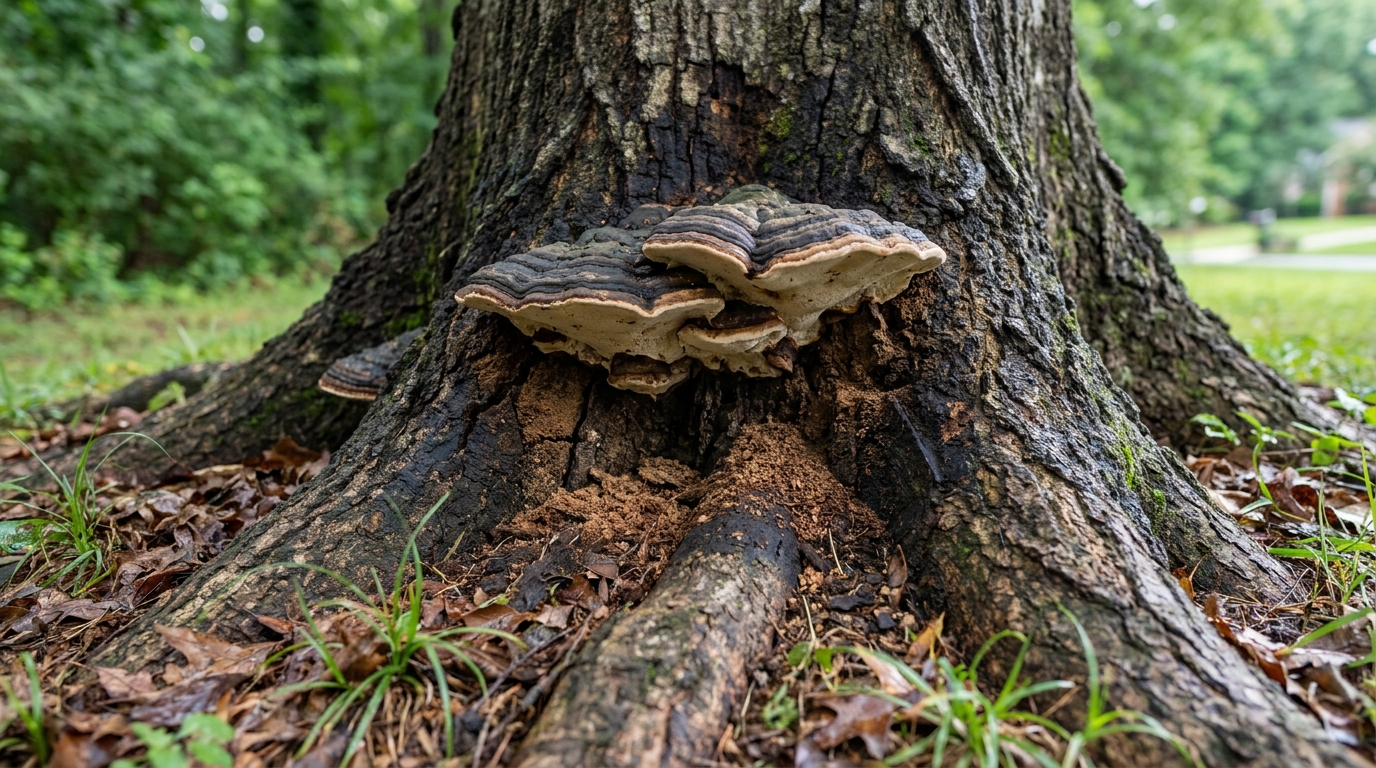
One of the most immediate dangers and consequences of not pruning your trees is the direct impact on the tree's vitality. Unchecked growth can lead to an overly dense canopy, which restricts air circulation and sunlight penetration to the inner branches. This creates a humid, shaded environment where fungal diseases and various pests, such as beetles and caterpillars, can flourish. Dead or diseased branches, if not removed, act as conduits for these problems, allowing infections to spread to healthy parts of the tree and weakening its overall structure. The University of Florida IFAS Extension highlights how the accumulation of dead branches and the development of low, aggressive limbs can compromise a tree's health and increase the risk of breakage, particularly in planted trees.
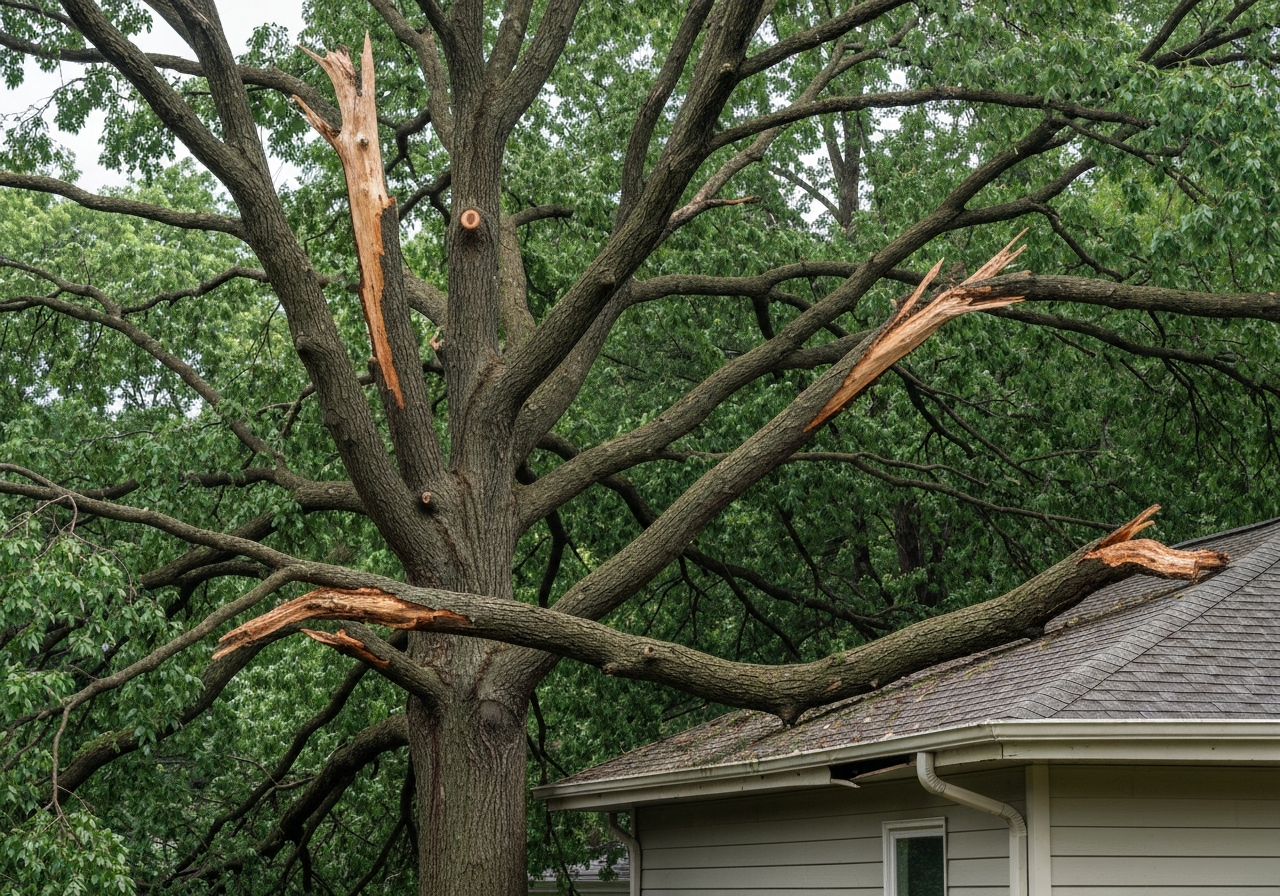
Furthermore, improper pruning techniques or a complete lack thereof can lead to significant structural defects. For instance, weak codominant stems and bark inclusions are common issues that arise from unmanaged growth, making the tree inherently unstable and prone to failure. These structural weaknesses mean that even a moderate windstorm could result in significant limb failure, posing a serious threat.
Safety Hazards for Property and People: Falling Limbs and Structural Instability
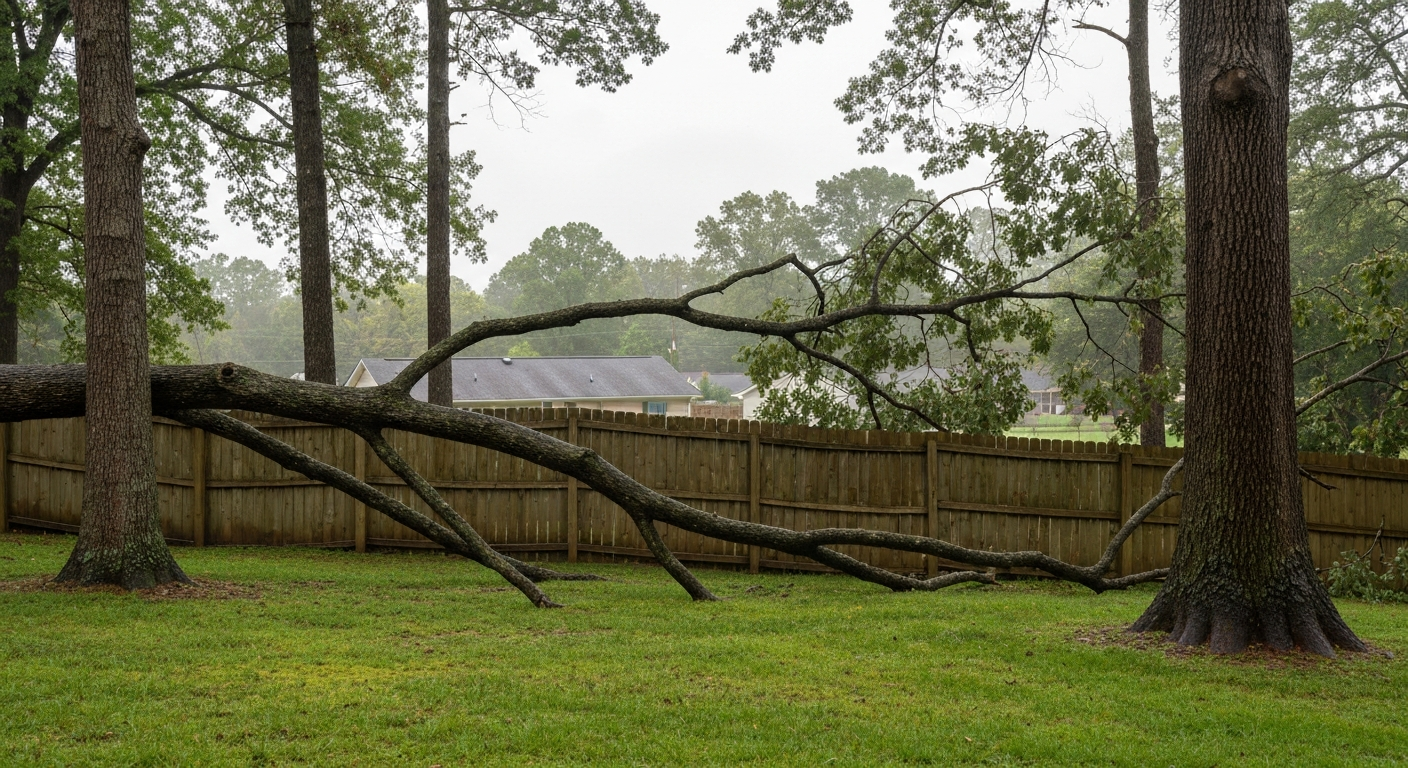
Beyond tree health, the physical safety of your property and those around it is gravely impacted by neglected trees. Overgrown or weak branches can become incredibly dangerous, especially during severe weather conditions like high winds, ice storms, or heavy rainfall. The risk of these branches breaking off and falling is substantial, potentially causing extensive damage to:
- Roofs and gutters
- Vehicles
- Fences and sheds
- Power lines, leading to outages and fire hazards
The risks extend to personal safety as well. Low-hanging branches can obstruct pathways and pose a direct hazard to pedestrians, while falling debris can cause serious injuries. According to studies, a significant number of accidental injuries from falling tree debris could have been prevented with regular pruning, underscoring the vital link between proper tree care and public safety. Neglected trees can also pose hidden risks, impacting power lines and overall environmental health.
Moreover, branches growing too close to utility lines are a major concern. Contact with power lines can lead to power outages, fires, or even electrocution, which is a leading cause of injury among tree care professionals. It's important to assume all lines are energized and to maintain a safe distance.
Aesthetic Decline: Overgrowth, Misshapen Trees, and Reduced Curb Appeal
The visual appeal of your property is directly tied to the health and appearance of your trees. Neglecting to prune can result in trees that are:
- Overgrown and Unkempt: Dense, untrimmed canopies can make a landscape appear messy and poorly maintained.
- Misshapen: Without selective pruning, trees can grow in unbalanced or aesthetically displeasing forms, losing their natural grace.
- Obscuring Views: Branches that grow unchecked can block scenic views from your home, diminish natural light, or even hide architectural features.
This aesthetic decline can significantly reduce your property's curb appeal and, consequently, its market value. A well-maintained landscape with properly pruned trees signals care and attention, contributing positively to the overall impression of your home or business. Conversely, an unkempt tree can cast an impression of neglect over the entire property.
Increased Costs: Emergency Removals and Property Repair
While regular tree pruning involves a modest investment, the dangers and consequences of not pruning your trees often lead to far greater financial burdens. When a neglected tree succumbs to disease, storm damage, or structural failure, the resulting emergency can be incredibly costly. Emergency tree removal, especially for large trees or those in precarious positions, can require specialized equipment like crane services, significantly increasing the expense compared to routine maintenance. For severe cases, professional tree removal is often the only safe option.
Beyond the tree work itself, property damage resulting from fallen limbs—such as roof repairs, fence replacements, or vehicle damage—can quickly accumulate. These unexpected repairs can strain finances and cause considerable stress. Proactive pruning helps mitigate these risks, saving homeowners from potential financial headaches and ensuring the longevity of their landscape.
The Solution: What Professional Tree Pruning Achieves
Professional tree pruning is an art and a science, designed to enhance the health, safety, and beauty of your trees. Expert arborists employ precise techniques to:
- Promote Healthy Growth: By removing dead, diseased, or crossing branches, professional pruning stimulates new growth and improves the tree's overall vigor.
- Enhance Structural Integrity: Strategic cuts strengthen the tree's framework, reducing the likelihood of limb failure and improving its resilience against adverse weather. Services like crown thinning and deadwood removal are crucial for this.
- Improve Aesthetics: Skilled pruning can sculpt a tree's natural form, maintain a balanced canopy, and ensure it complements your landscape.
- Ensure Safety Clearances: Pruning keeps branches away from structures, walkways, and utility lines, preventing potential hazards. This includes careful height reduction and canopy management to prevent issues without harming the tree.
- Increase Sunlight and Airflow: Thinning the canopy allows more light to reach the undergrowth and improves air circulation, benefiting both the tree and surrounding plants.
These benefits not only address the immediate problems caused by neglect but also contribute to a healthier, safer, and more valuable property in the long run. Professional tree care goes beyond simple cuts; it's about understanding tree biology and growth patterns to make informed decisions that benefit the tree for years to come.
Trust the Experts: Why Clark's Tree Care is Your Partner in Tree Health
At Clark's Tree Care LLC, we understand the complexities of tree biology and the local environment. With over five years of dedicated experience in the tree care industry, our team brings deep knowledge and modern equipment to every job. We are committed to providing honest, professional, and safe tree care services to the Waxhaw and greater Charlotte community. Our expertise ensures that whether you need routine maintenance or complex removals, the job is done right, the first time.
We pride ourselves on our safety-first approach and our transparent, competitive pricing. Our customers frequently highlight our professionalism, quick response times, and thorough cleanup. You can see examples of our meticulous work in our gallery and read what our clients have to say on our reviews page. For common questions about our services, permits, or pricing, our FAQ section provides helpful insights. We believe in building lasting relationships with our community by delivering exceptional tree care that protects your investment and enhances your property. To learn more about our commitment to quality, visit our About Us page.
Prioritize Proactive Care: Secure Your Property and Preserve Your Trees
Ignoring the necessary care for your trees can lead to significant problems that impact safety, property value, and peace of mind. By understanding the severe dangers and consequences of not pruning your trees, you can make informed decisions to protect your home and landscape. Proactive, professional tree pruning is an investment that pays dividends in tree health, aesthetic appeal, and long-term safety. Don't wait for a crisis to realize the importance of proper tree care. Secure your property and preserve the natural beauty of your trees through regular, expert attention.