From Root Rot to Oak Wilt: A Charlotte Homeowner's Guide to Common Tree Diseases in Charlotte, NC
From Lush Canopy to Common Woes: Understanding Tree Diseases in Charlotte
Charlotte, North Carolina, boasts a vibrant urban canopy, but like any living ecosystem, its trees are susceptible to various health challenges. Understanding the common tree diseases in Charlotte, NC, is crucial for homeowners dedicated to maintaining the beauty and longevity of their landscape. Factors such as climate, soil conditions, and urban development play a significant role in tree health, often predisposing them to fungal, bacterial, and other pathogenic threats. Early detection and proactive management are key to preventing widespread damage and preserving Charlotte's green infrastructure.
Charlotte's Environment: How Climate & Soil Affect Tree Health
Charlotte's humid subtropical climate, characterized by warm, wet summers and mild winters, creates an environment where many fungal and bacterial pathogens can thrive. Local soil conditions, often heavy clays or compacted soils due to urban development, can exacerbate tree stress by hindering proper drainage and root development. Poor soil drainage is a major contributor to root rot diseases, while fluctuating temperatures and moisture levels can make trees more vulnerable to a range of infections. Healthy trees are better equipped to resist disease, emphasizing the importance of proper planting, watering, and fertilization tailored to local conditions.
Spotting the Most Common Tree Diseases in Charlotte, NC
Recognizing the early signs of tree diseases is vital for effective intervention. Many tree ailments present with visible symptoms on leaves, bark, and branches. These can range from discoloration and spots on foliage to cankers, dieback, and abnormal growth patterns. Familiarizing yourself with these indicators is the first step in diagnosing and addressing potential problems impacting the common tree diseases in Charlotte, NC. Observing changes in your tree's appearance and seeking expert advice when unsure can make a significant difference in its recovery.
Phytophthora Root Rot: The Hidden Threat to Charlotte Trees
Phytophthora root rot is a pervasive and destructive disease affecting a wide range of ornamental plants and trees, including oaks and conifers common in Charlotte landscapes. Caused by various species of water molds (Phytophthora spp.), this disease thrives in poorly drained or waterlogged soils. Symptoms often mimic drought stress, including wilting, yellowing or browning leaves, and a general decline in vigor, even when soil moisture is adequate. The pathogen attacks the roots and crown, leading to a characteristic reddish-brown discoloration of the inner bark and roots when inspected. Prevention is paramount, focusing on improving soil drainage, avoiding overwatering, and proper planting techniques that prevent covering the root collar too deeply. For more in-depth information, you can consult resources on Phytophthora root and crown rot in the landscape and managing Phytophthora root and crown rot. Selecting resistant or tolerant plant species is also a key long-term strategy, as chemical controls are often impractical in landscape settings.
Seiridium Canker: Protecting Your Leyland Cypresses
Leyland cypress, a popular evergreen for privacy screens in Charlotte, is particularly susceptible to Seiridium canker. This fungal disease, caused by Seiridium unicorne, manifests as sunken, dark cankers on stems and branches, often accompanied by resin flow. The first visible symptoms are usually yellowing or reddish-brown foliage and random branch dieback. Stress factors such as drought, poor drainage, and mechanical injury significantly increase a Leyland cypress's vulnerability. Effective management involves rigorous cultural practices, including proper spacing for air circulation, adequate irrigation during dry periods, and pruning out affected branches at least 3-4 inches below the visible canker. Tools should be disinfected between cuts to prevent further spread. Chemical controls are generally not effective. For further details on maintaining the health of these popular trees, review the Leyland cypress diseases and insects factsheet.
Anthracnose: When Your Shade Trees Show Spots
Anthracnose is a common term for a group of fungal diseases that affect hardwood trees, particularly shade trees like oaks, maples, and sycamores. In Charlotte, its presence is often noticed during cool, wet spring and early summer conditions. Symptoms typically appear as irregular brown or black spots and blotches on leaves, often concentrated along the veins. Severe infections can lead to premature leaf drop and twig dieback, though established trees usually recover by producing new foliage. While primarily an aesthetic concern, repeated severe defoliation can weaken a tree over time. Management strategies include improving air circulation through selective pruning and raking and disposing of fallen leaves to reduce overwintering fungal spores. For more detailed information on specific manifestations, consult resources like the NCSU Extension guide on Anthracnose.
Oak Wilt: A Rapidly Spreading Danger for Charlotte Oaks
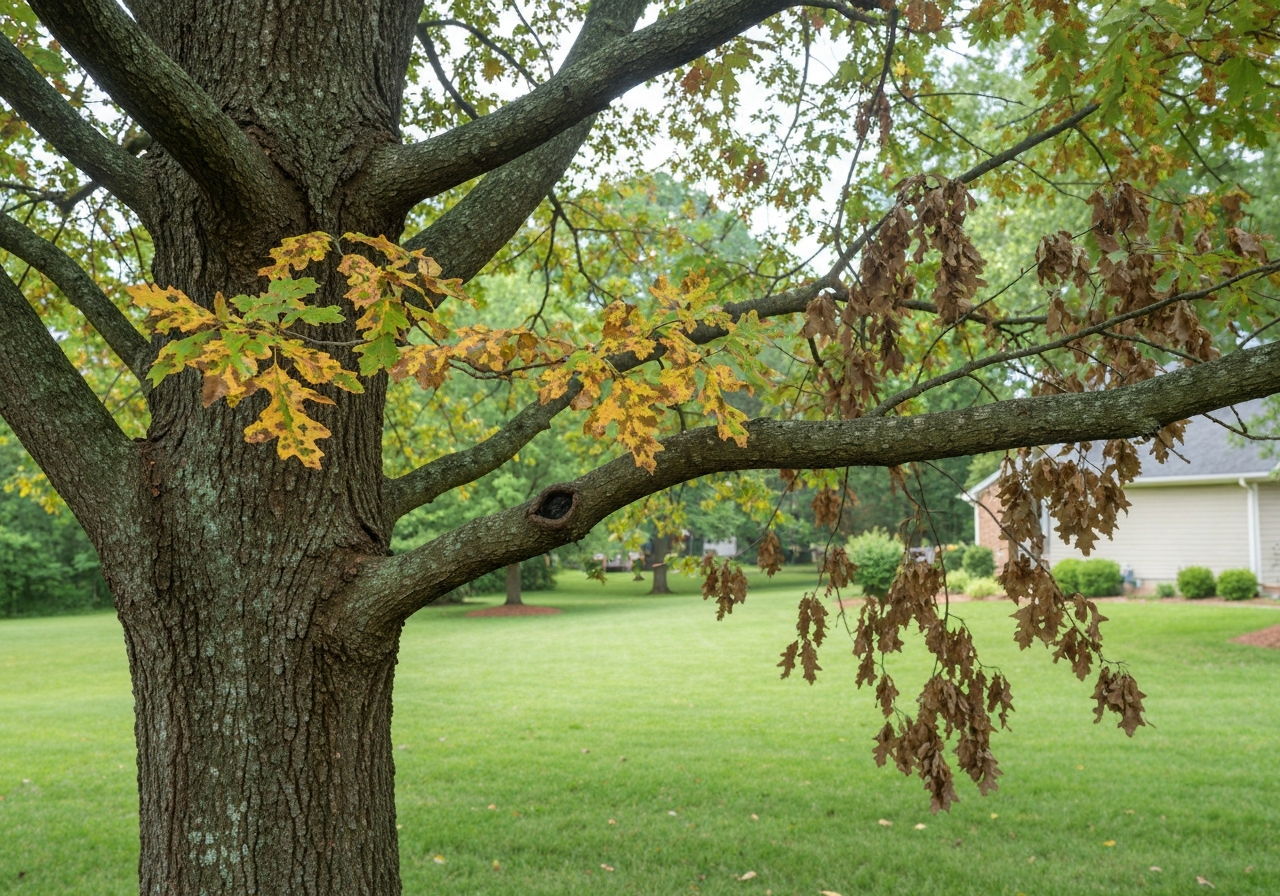
Oak wilt, caused by the fungal pathogen Bretziella fagacearum, poses a serious threat, especially to red oak species in North Carolina. This lethal vascular disease can spread rapidly, leading to crown dieback, widespread wilting, and often, tree death within a single season for red oaks. Symptoms include sudden leaf discoloration and wilting, starting from the top of the crown and progressing downwards. The fungus can spread through interconnected root systems (root grafts) between nearby oaks or by sap-feeding beetles attracted to fungal mats that form on dead trees. Preventing new infections is critical, which involves avoiding pruning oaks during peak beetle activity (typically spring and early summer) and immediately destroying infected trees. For comprehensive prevention and control strategies, refer to information on oak wilt management and be aware of proper oak pruning considerations to minimize risk.
Powdery Mildew: The White Film on Leaves and Stems
Powdery mildew is a very common fungal disease affecting a wide variety of plants in Charlotte, including oaks, crape myrtles, dogwoods, and many ornamentals. It is easily recognized by the characteristic white or grayish powdery patches that appear on the surface of leaves, stems, flowers, and even fruit. Unlike many other fungi, powdery mildew thrives in dry conditions with high humidity, often appearing when days are warm and nights are cool. While generally more unsightly than life-threatening, severe or repeated infections can cause leaf distortion, yellowing, premature leaf drop, and reduced plant vigor. Cultural controls are effective and include planting resistant varieties, ensuring good air circulation through proper spacing and pruning, and avoiding excessive nitrogen fertilization. Removing and destroying infected plant debris in the fall helps reduce overwintering spores. For more detailed insights on how to manage this common issue, review information from The Morton Arboretum on powdery mildews and the UC IPM guide on powdery mildew on fruits and berries.
Hypoxylon Canker: A Sign of Advanced Tree Decline
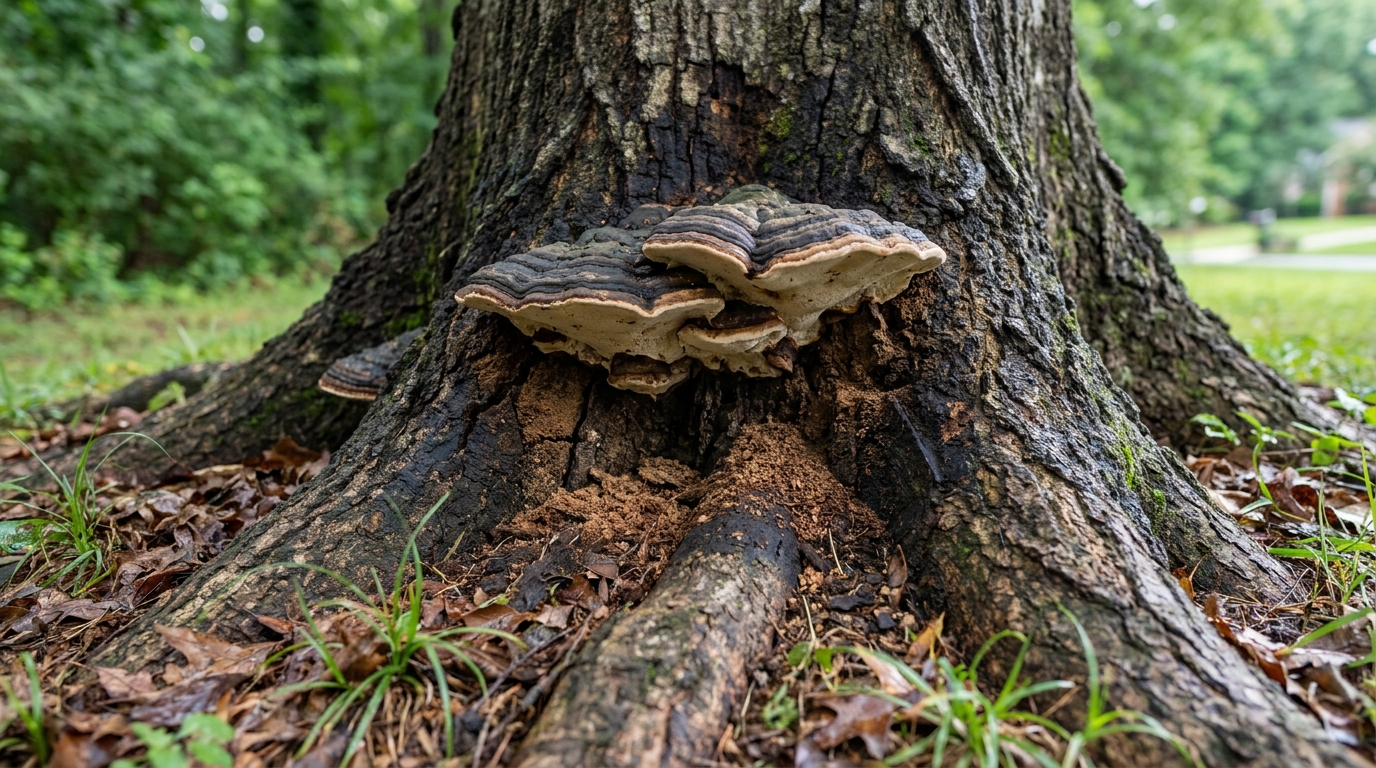
Biscogniauxia canker, formerly known as Hypoxylon canker, is an opportunistic fungal disease that primarily affects stressed hardwood trees, particularly oaks, in the southern United States. The pathogen, Biscogniauxia atropunctata, often lies dormant within healthy trees until environmental stressors like drought, root damage, or other diseases weaken the tree's defenses. Once activated, the fungus rapidly invades the sapwood, causing bark to slough off and revealing distinctive fungal mats (stromata) that change color from reddish-brown to black and eventually gray. This rapid decay of sapwood disrupts the tree's vascular system, leading to crown thinning, branch dieback, leaf scorching, and ultimately, tree death within a few weeks of visible stromata formation. Management focuses exclusively on prevention through maintaining strong tree vigor. This includes consistent watering during dry periods, proper mulching, and avoiding any stress-inducing factors. For further information, consult the NCSU Extension guide on Biscogniauxia (Hypoxylon) canker.
Proactive Care: Cultivating a Healthy Landscape in Charlotte
Preventing tree diseases is always more effective and less costly than treating them. A proactive approach to tree care is essential for homeowners in Charlotte. This involves several key practices:
- Proper Planting: Ensure trees are planted at the correct depth, with adequate spacing to allow for future growth and air circulation.
- Adequate Watering: Provide consistent and deep watering, especially during dry spells, to prevent drought stress. Avoid overwatering, which can lead to root rot.
- Strategic Fertilization: Fertilize based on soil test recommendations to ensure your trees receive the necessary nutrients without over-fertilization.
- Regular Pruning: Implement proper tree trimming techniques to remove dead, diseased, or weak branches, improving tree structure and reducing disease entry points.
- Mulching: Apply a layer of organic mulch around the base of trees to conserve soil moisture, regulate soil temperature, and prevent mechanical damage to the trunk.
- Site Selection: Choose tree species well-suited to Charlotte's climate and soil conditions, and select disease-resistant varieties when possible.
By integrating these practices into your landscape maintenance routine, you can significantly reduce the risk of common tree diseases in Charlotte, NC, and ensure your trees remain healthy and resilient.
When to Call Clark's Tree Care: Expert Help for Diseased Trees
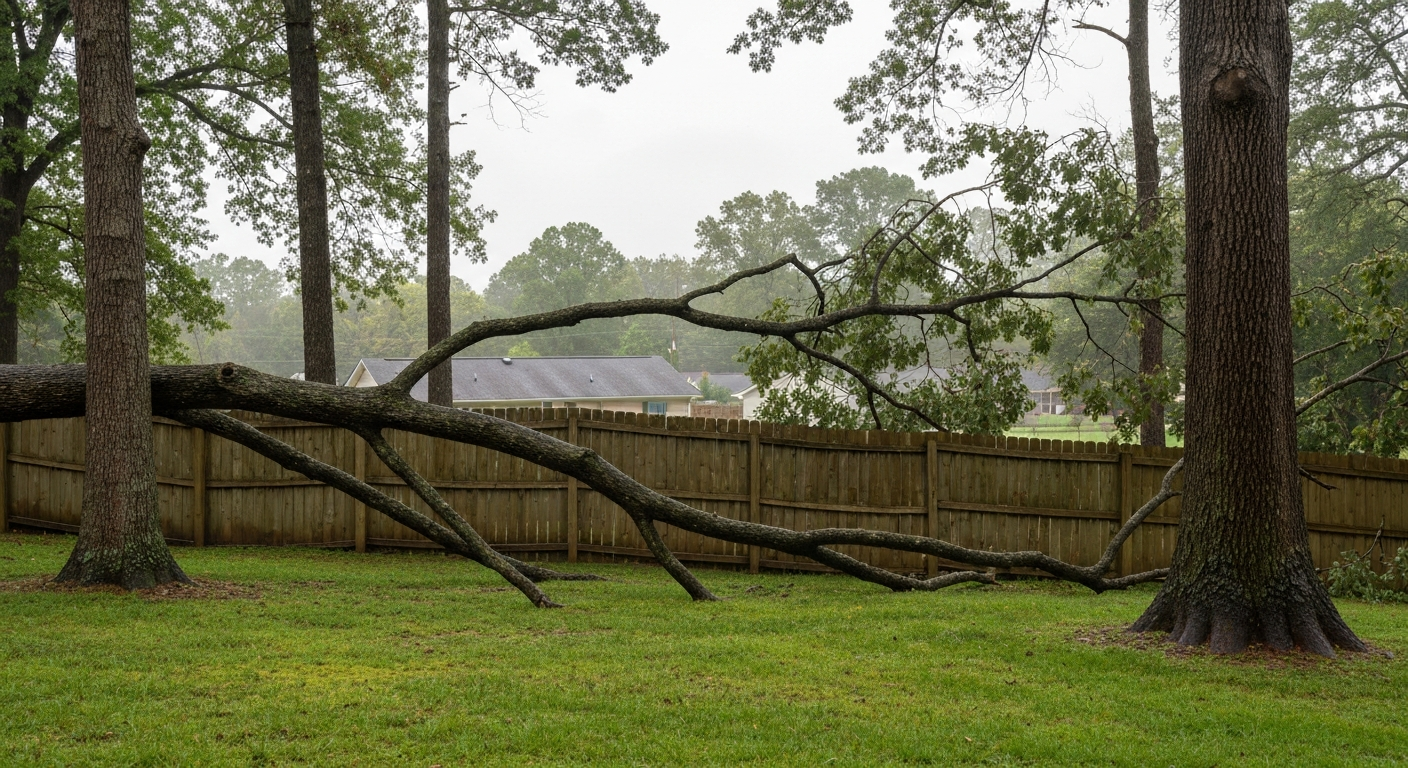
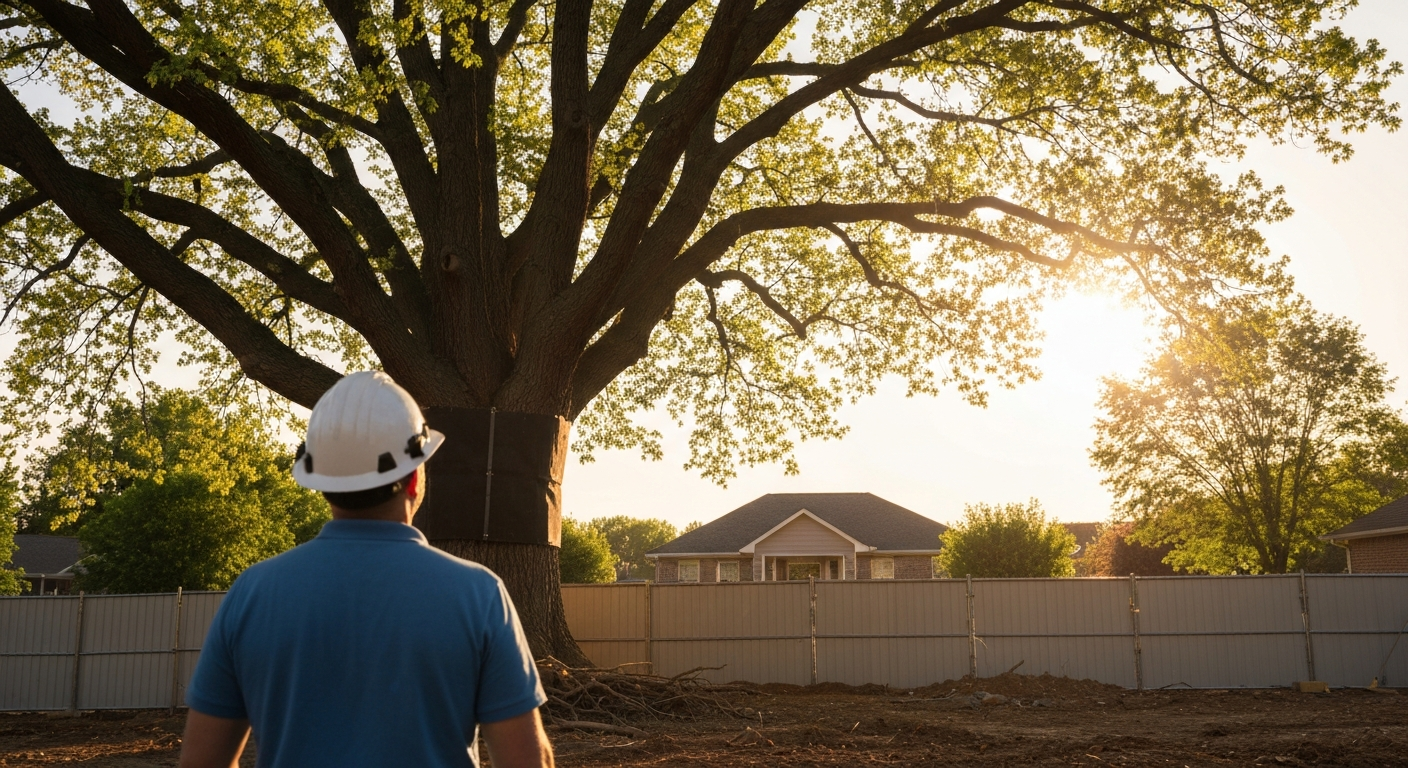
While proactive care goes a long way, some tree diseases require professional diagnosis and intervention. If you notice any concerning symptoms such as rapid decline, extensive dieback, unusual fungal growths, or severe leaf discoloration that you can't identify, it's time to call in the experts. Clark's Tree Care has extensive experience with the common tree diseases in Charlotte, NC, and can provide accurate diagnosis and effective treatment plans. Our services range from targeted tree trimming to advanced disease management and, if necessary, safe and efficient tree removal. Don't let tree diseases compromise your landscape; our team is ready to assist in maintaining the health and safety of your trees.
Frequently Asked Questions About Charlotte Tree Diseases
What are the most common signs of a diseased tree?
Common signs include discolored or spotted leaves, premature leaf drop, branch dieback, cankers on bark, unusual growths (like mushrooms at the base), wilting foliage, and overall stunted growth or decline in vigor. These symptoms can indicate a variety of common tree diseases in Charlotte, NC.
Can I treat tree diseases myself?
For minor issues like powdery mildew, cultural practices and some organic treatments can be effective. However, for serious or rapidly spreading diseases like oak wilt or extensive root rot, professional diagnosis and treatment are crucial. Misdiagnosis or improper treatment can worsen the problem or delay effective intervention. It's always best to consult with tree care professionals, like those at Clark's Tree Care, when in doubt.
When is the best time to prune trees to prevent disease?
Generally, late winter to early spring, before new growth emerges, is ideal for most species. This timing minimizes stress and the risk of disease transmission. However, dead or hazardous branches should be removed immediately regardless of the season. Always disinfect pruning tools between cuts, especially when dealing with potentially diseased trees.
How can I protect my new trees from common diseases?
Proper planting is the first line of defense. Ensure good drainage, plant at the correct depth, and provide adequate water. Choose disease-resistant varieties suitable for the Charlotte area, and regularly monitor for early signs of disease or pest activity. Applying mulch can also significantly improve tree health.
What should I do if I suspect my tree has oak wilt?
Oak wilt is a severe and rapidly spreading disease. If you suspect your oak tree has oak wilt (e.g., sudden wilting and browning, especially in red oaks, starting from the top), contact a certified arborist or your local extension office immediately. Early and accurate diagnosis is critical for managing its spread. Do not prune affected trees during the spring and summer months, as this can attract vectors that spread the disease.