Is It Time? Spot the **6 signs your tree needs removal Charlotte NC** for a Safer Yard
Why Understanding Tree Health Matters for Your Charlotte Property
Maintaining the health of trees on your property is crucial for both aesthetic appeal and safety. In Charlotte, healthy trees enhance property value, provide shade, and contribute to the local ecosystem. However, neglecting tree health can lead to significant hazards, especially during severe weather. Recognizing early warning signs of tree distress can prevent property damage, injury, and costly emergency services. Understanding when a tree becomes a liability is the first step towards a safer and more beautiful yard.
Is It Time? Spot the 6 signs your tree needs removal Charlotte NC for a Safer Yard
Determining whether a tree needs to be removed can be a difficult decision for any homeowner. While we all cherish the mature trees that grace our landscapes, some situations necessitate their removal for the safety of your property and family. Here are the 6 signs your tree needs removal Charlotte NC to help you make an informed choice:
Sign 1: Severe Storm Damage or Irreversible Injury
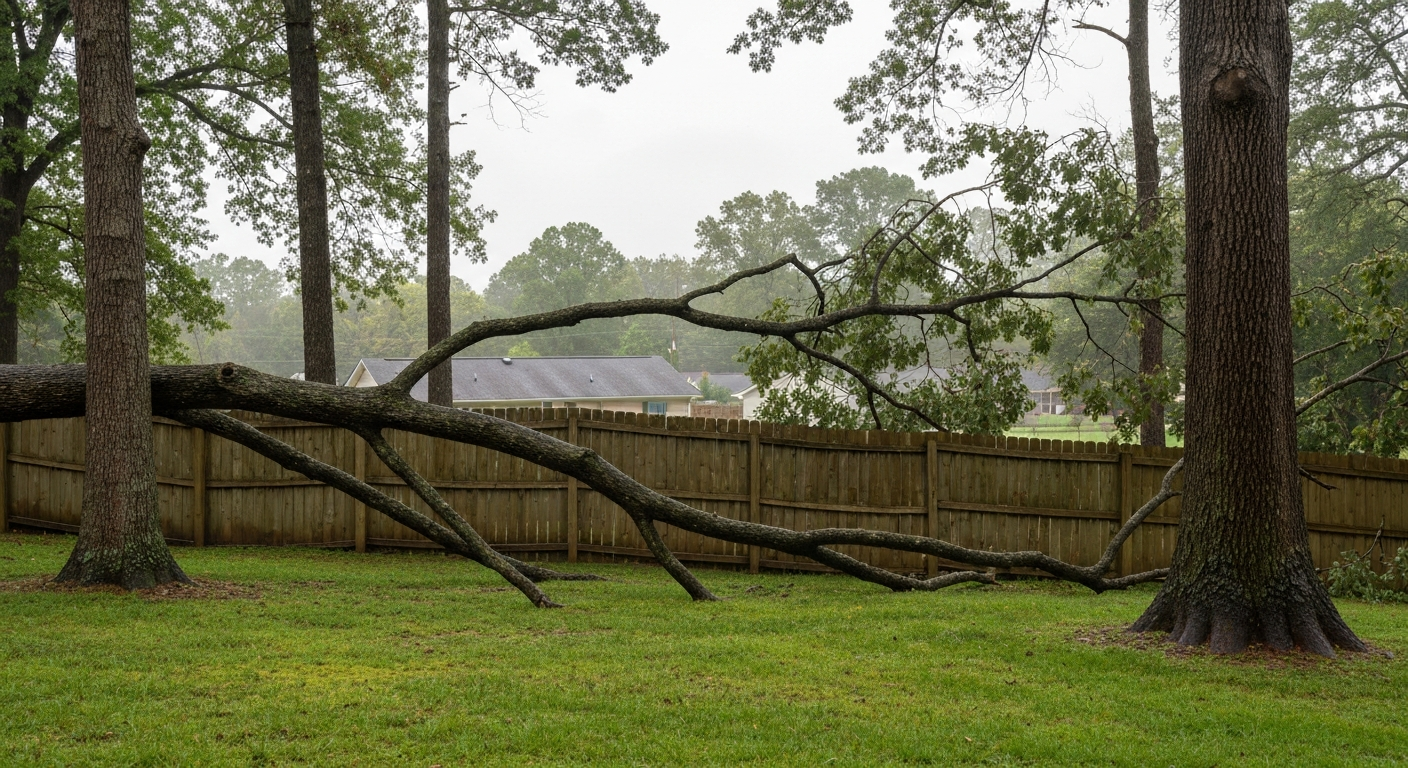
North Carolina's weather can be unpredictable, bringing high winds, heavy rains, and even ice storms that can severely damage trees. A tree that has sustained significant damage from a storm, such as a lightning strike, a major split in the trunk, or the loss of large limbs, may be beyond saving. Such damage can compromise the tree's structural integrity, making it a persistent hazard. The NC Urban Forest Council emphasizes proactive readiness and proper response after storm events, including assessing damage and determining which trees pose immediate risks. If your tree shows extensive storm damage, professional storm damage assessment and emergency tree removal may be necessary.
Sign 2: Visible Fungi, Decay, or Pest Infestation
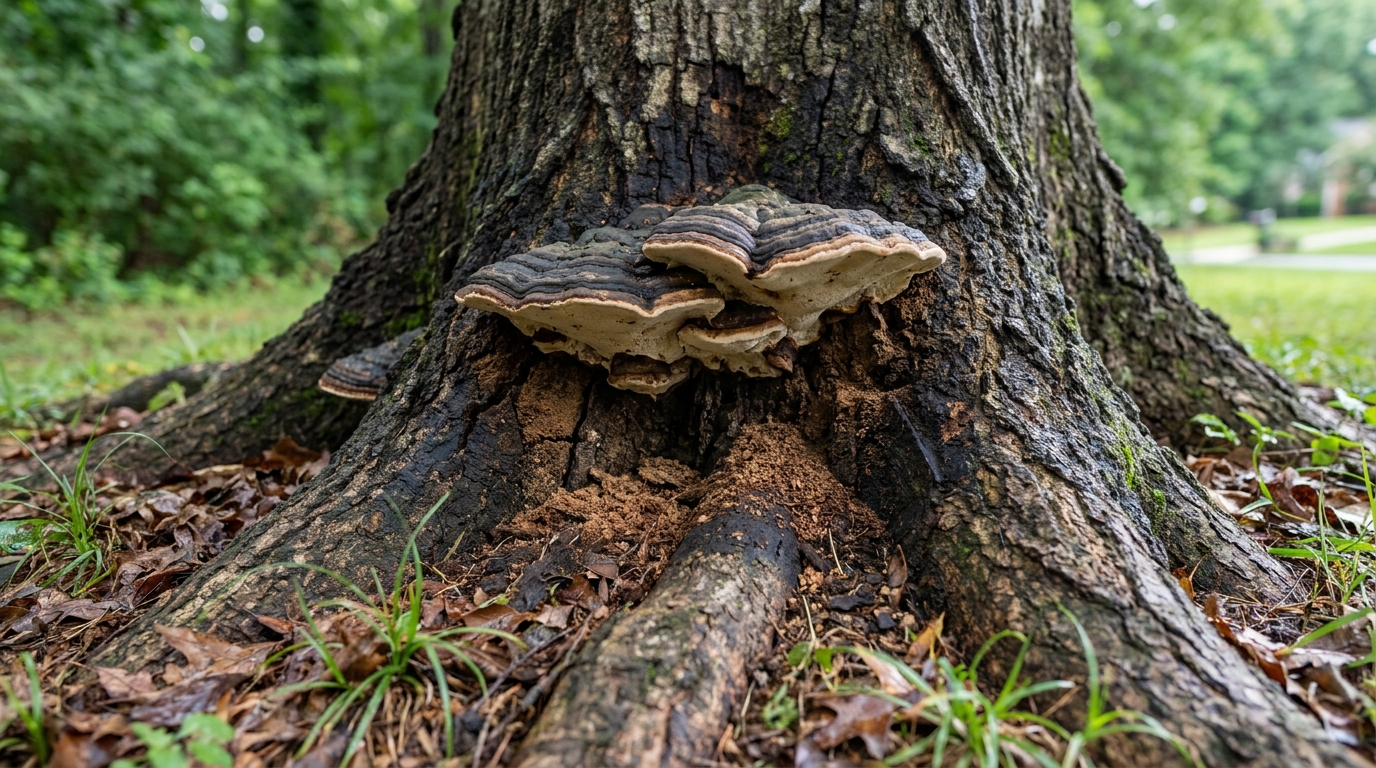
Fungal growths like mushrooms or conks on the trunk or base of a tree are often indicators of internal decay. Decay weakens the tree's wood, making it brittle and prone to failure. Similarly, a significant pest infestation can quickly devastate a tree. Common forest insect pests, as detailed by the NC Forest Service, include bark borers and wood-boring insects that feed on the vital tissues of a tree, leading to decline and eventual death. The presence of wood-destroying insects like termites or carpenter ants can also be a critical sign of internal issues, as discussed in the Homeowner's Guide to Wood-Destroying Insect Report. If you notice signs of extensive decay or an active infestation, it might be time to consider tree removal to prevent spread to other trees or structural damage to your property.
Sign 3: Significant Leaning or Structural Instability
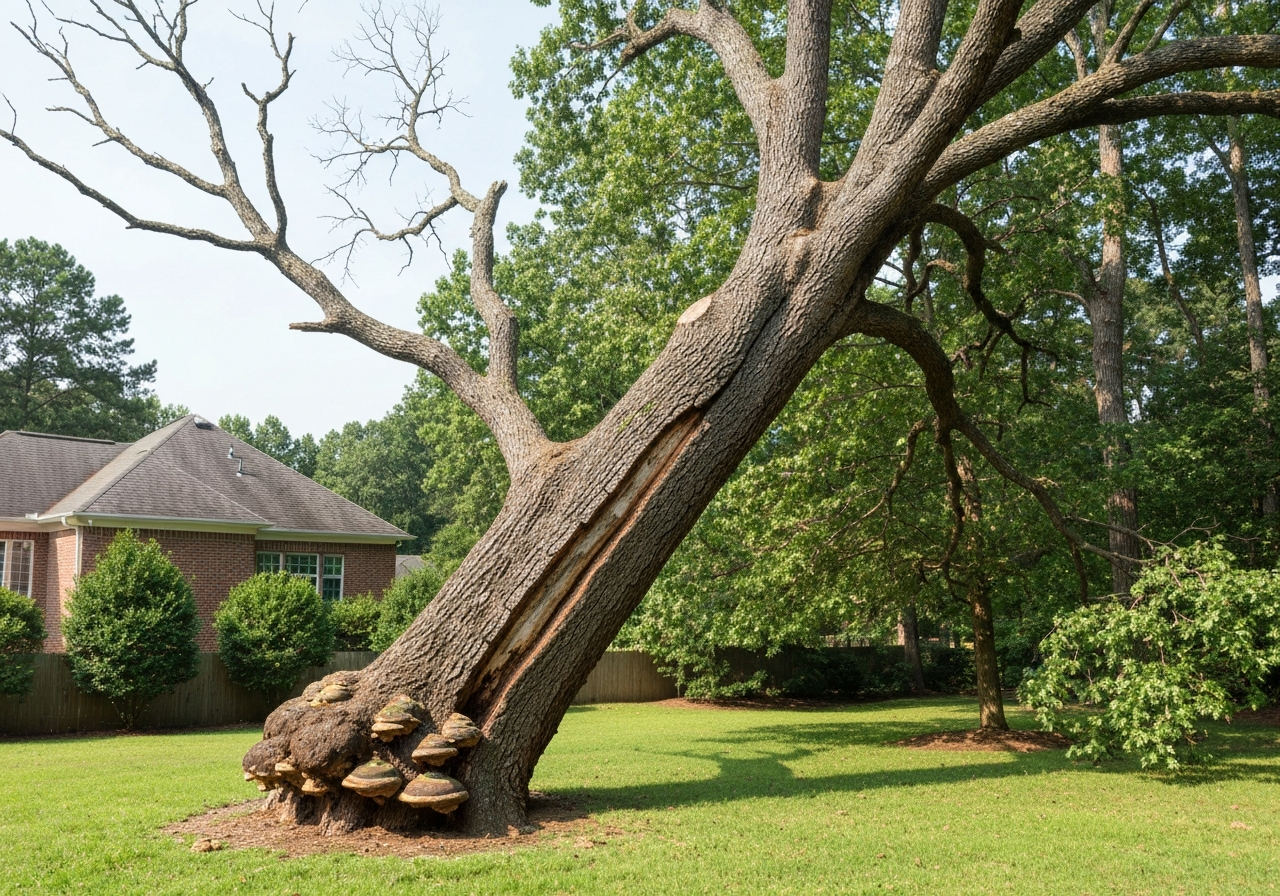
A tree that develops a pronounced lean, especially if it was previously upright, can indicate root damage or structural failure. This lean often becomes more noticeable after heavy winds or saturated soil conditions. Trees with included bark (where two or more trunks grow together without a strong union) or significant cracks in the main stem are inherently unstable. A tree with compromised stability, particularly one leaning towards your home, power lines, or frequently used areas, poses an immediate and severe risk. Professional assessment is crucial for such trees, as they often require crane-assisted tree removal for safe dismantling.
Sign 4: Proximity Issues and Overgrowth Near Structures
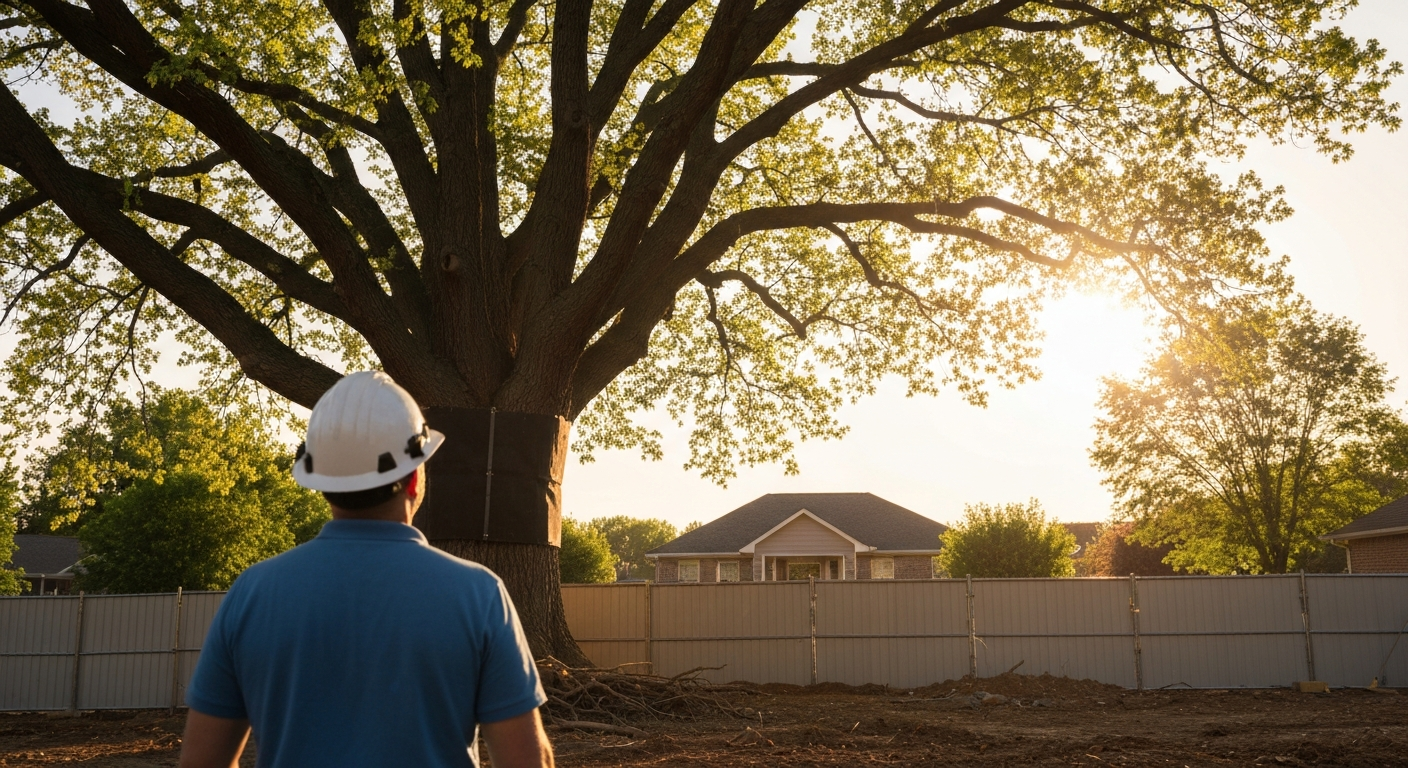
As trees mature, their branches can extend considerably, sometimes encroaching on homes, utility lines, driveways, or other structures. While regular tree trimming and pruning can manage this to an extent, some trees simply outgrow their space. Branches rubbing against a roof can cause damage, and roots growing too close to foundations or sewer lines can lead to costly repairs. In such cases, removing the tree might be the safest long-term solution, especially if repeated pruning is insufficient or detrimental to the tree's health. Tree topping or height reduction can be considered for canopy management, but sometimes full removal is the only viable option.
Sign 5: Dead or Dying Branches and Canopy Decline
A healthy tree should have a full, vibrant canopy. If you observe a significant portion of the canopy with dead, dying, or sparse branches, it's a strong sign of underlying health problems. Excessive deadwood not only indicates a struggling tree but also creates falling hazards, especially during windy conditions. A general decline in vigor, such as abnormally small leaves, stunted growth, or premature leaf drop, can also point to a tree nearing the end of its life or suffering from a severe issue that warrants tree removal.
Sign 6: Cracks in the Trunk or Exposed, Damaged Roots
Cracks in the tree trunk, particularly vertical ones, can indicate internal stress or decay. These cracks can deepen over time, compromising the tree's ability to stand upright. Similarly, extensively damaged or exposed roots, whether from construction, erosion, or disease, can severely impact a tree's stability and ability to absorb water and nutrients. While some minor root damage can be mitigated, severe root issues often lead to tree decline and an increased risk of uprooting, making tree removal a necessary safety measure.
Before You Decide: The Importance of Professional Arborist Consultation
Identifying these signs is the first step. However, making the final decision for tree removal requires the expertise of a certified arborist. An arborist can accurately assess the tree's condition, diagnose diseases, identify potential hazards, and provide the best course of action, which may include treatment, targeted pruning, or removal. They can also advise on local regulations, as permit requirements for tree removal vary by municipality in Charlotte and Union County. Consult the FAQ section for more information on permits and other common questions, or review the Charlotte Tree Ordinance for specific local guidelines.
Your Trusted Partner for Tree Removal and Care in Charlotte NC
When it comes to tree care, experience and professionalism matter. Clark's Tree Care LLC provides comprehensive tree services, specializing in safe and efficient tree removal for properties across the greater Charlotte area. Our team is equipped to handle everything from hazardous tree takedowns to intricate crane-assisted removals, ensuring minimal impact on your property. We are dedicated to maintaining the health and safety of Charlotte's urban canopy, offering expert solutions tailored to your specific needs.
Ready for a Safer Yard? Contact Clark's Tree Care LLC Today
Ensuring the safety and beauty of your property starts with healthy trees. If you've observed any of the 6 signs your tree needs removal Charlotte NC, it's time to seek professional guidance. Clark's Tree Care LLC offers free on-site estimates and expert advice, helping you assess your trees and providing clear, competitive pricing for any necessary services. Protect your property and peace of mind by entrusting your tree care to local professionals. You can learn more about our local services by visiting our Charlotte service page.