Mastering Tree Pruning Techniques Benefits and Best Practices: Your Ultimate Guide from Clark's Tree Care LLC
Unlock Your Trees' Potential: The Art and Science of Tree Pruning
Transforming your landscape and ensuring the longevity of your trees requires a keen understanding of proper care. Among the most critical aspects is tree pruning, a practice that combines both artistic vision and scientific principles to foster healthy growth, enhance aesthetics, and mitigate potential hazards. Mastering the right Tree Pruning Techniques Benefits and Best Practices is essential for any property owner looking to cultivate a thriving outdoor environment.
Tree Pruning Techniques Benefits and Best Practices: A Comprehensive Overview
Tree pruning is far more than simply cutting branches; it's a strategic intervention that, when done correctly, yields significant rewards for your trees and property. This practice involves the selective removal of branches to improve tree health, structure, and appearance. Incorrect pruning, however, can cause lasting damage, making expert knowledge paramount. Understanding the various techniques and their appropriate application is key to successful tree care.
More Than Just Aesthetics: The Vital Benefits of Regular Tree Pruning
While a well-pruned tree certainly adds to curb appeal, the benefits extend far beyond aesthetics. Regular, professional tree pruning contributes significantly to the overall health and safety of your trees and surrounding property.
- Improved Tree Health: Removing dead, diseased, or damaged branches prevents the spread of pathogens and pests, allowing the tree to allocate resources to healthy growth. It also improves air circulation and sunlight penetration.
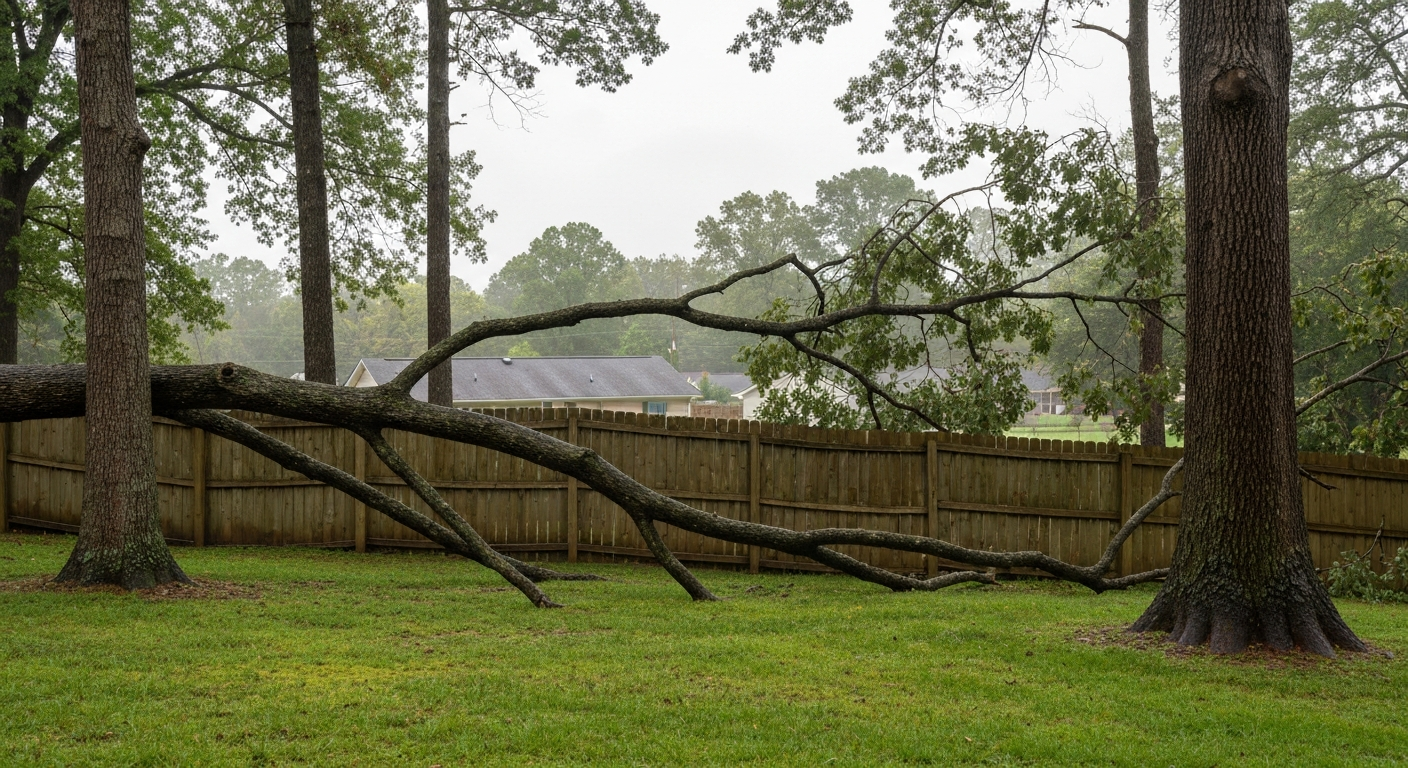
- Enhanced Structural Integrity: Strategic pruning helps develop a strong, stable tree structure, reducing the risk of branches breaking during storms or high winds. This is especially important for young trees, which can be trained to grow into robust specimens.
- Increased Safety: Eliminating weak or overhanging branches that pose a falling risk protects people, pets, and structures. Clearance pruning also ensures branches don't interfere with power lines, buildings, or walkways.
- Boosted Fruit Production: For fruit-bearing trees, proper pruning can stimulate flower and fruit development, leading to a more abundant harvest.
- Aesthetic Enhancement: Shaping trees and removing unsightly growth creates a more visually appealing landscape.
Mastering the Craft: Key Tree Pruning Techniques Explained
Effective tree pruning involves various techniques, each serving a specific purpose. Knowing when and how to apply these methods is crucial for optimal results:
- Crown Thinning: This involves selective branch removal to reduce density, improve light penetration, and increase air circulation within the tree's canopy. It helps strengthen the tree and reduce wind resistance.
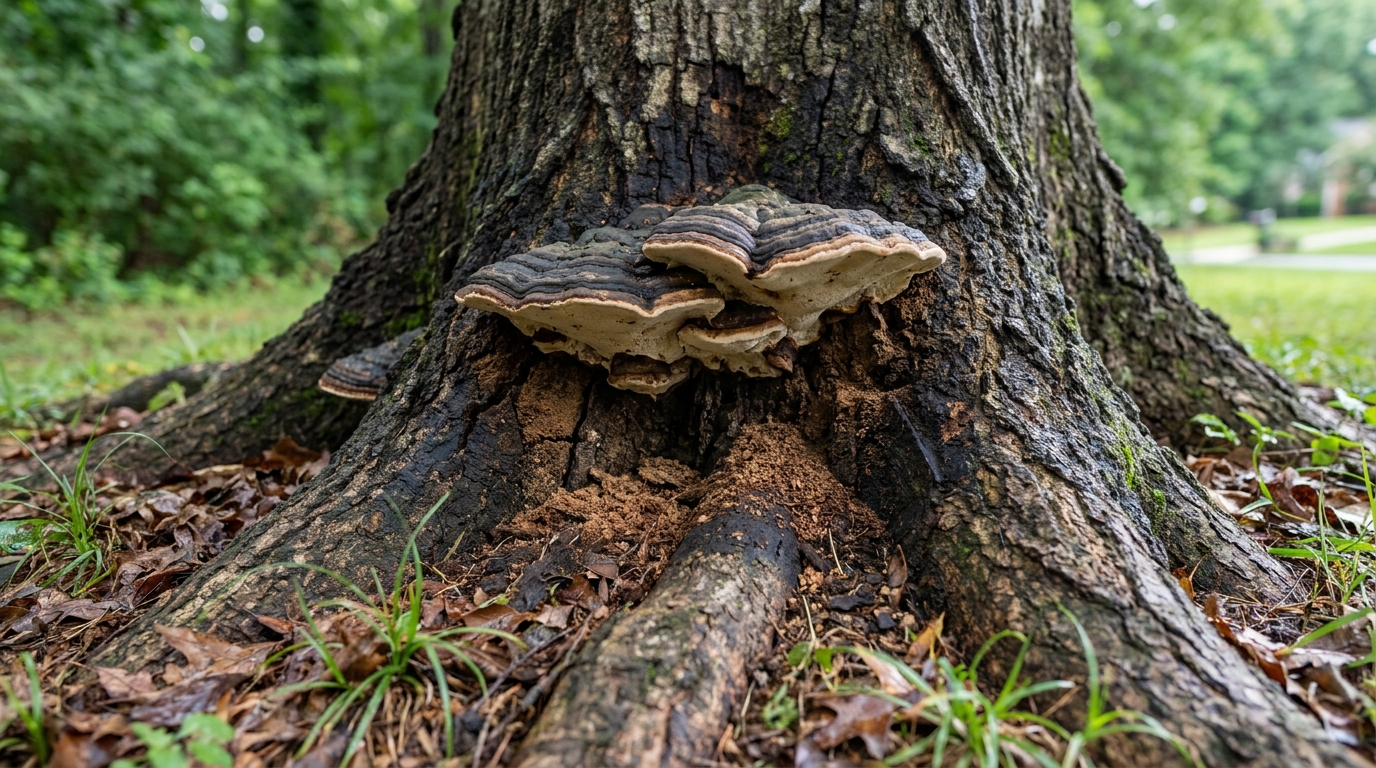
- Deadwood Removal: The systematic removal of dead, dying, or diseased branches. This is vital for tree health, preventing pest infestations, and eliminating potential falling hazards.
- Crown Reduction: Used to decrease the size of a tree's crown, typically for safety reasons or to manage growth near structures. This technique should be performed carefully to maintain the tree's natural shape and health.
- Raising the Crown: Removing lower branches to provide clearance for pedestrians, vehicles, or structures.
- Shaping & Structure Pruning: Focusing on improving a tree's natural form and structural integrity. This is particularly important for young trees to guide their development.
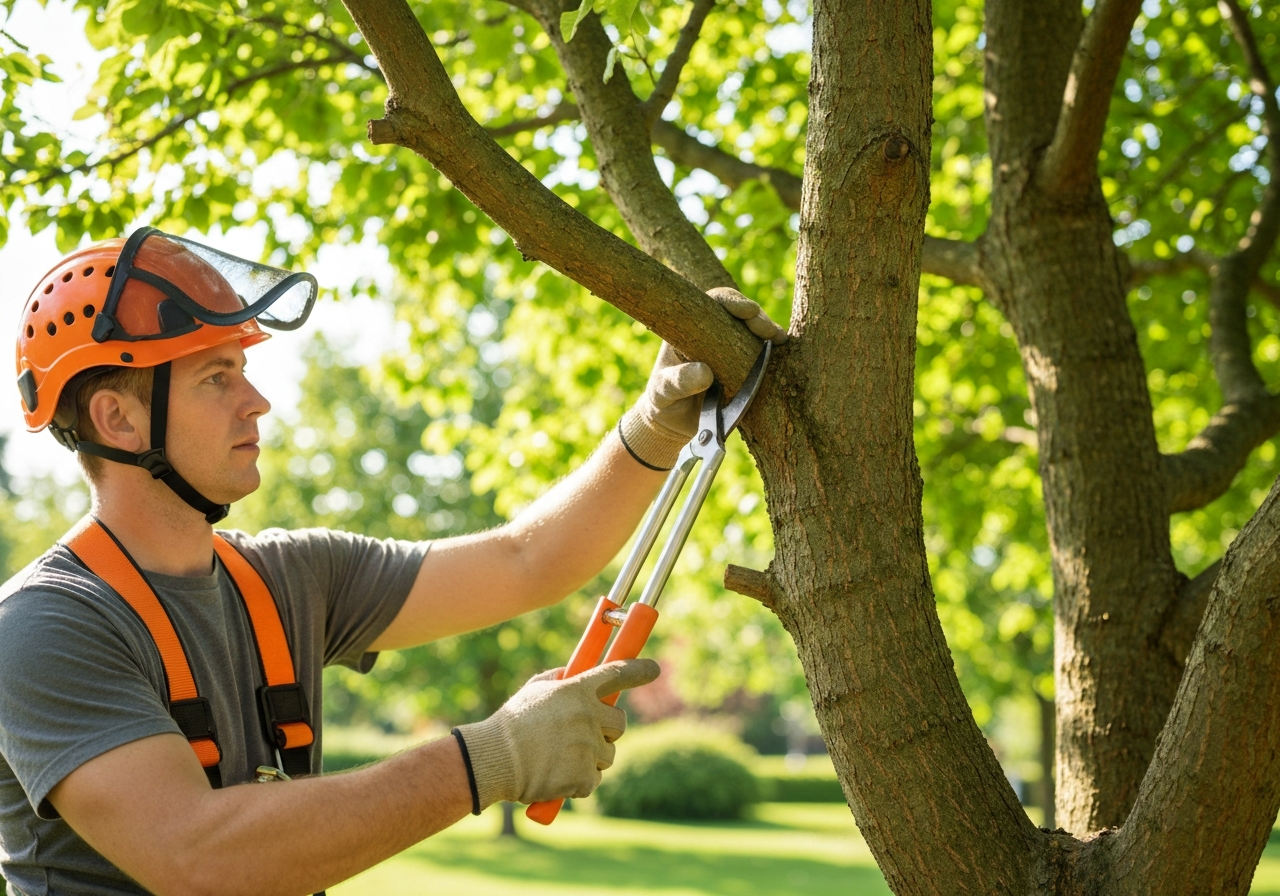
It's important to make clean, precise cuts. The larger the cut, the more resources a tree needs to recover, making smaller cuts preferable to minimize exposed tissue and expedite healing. As a general rule, avoid leaving stubs, which can lead to dieback.
Timing is Everything: When to Prune Your Trees for Maximum Health
The timing of your tree pruning can significantly impact its health and growth. For most deciduous trees, the ideal time for major pruning is during the dormant season, typically late winter or early spring, before new growth begins. At this time:
- The absence of leaves allows for better visibility of the tree's structure.
- The tree is less susceptible to pest and disease invasion.
- New growth in spring will quickly cover pruning wounds.
However, specific circumstances may dictate different timing. For instance, dead or hazardous branches can and should be removed any time of year. Flowering trees often have specific pruning windows depending on whether they bloom on old wood or new wood.
Pruning with Precision: Safety Protocols and Why Professional Expertise is Crucial
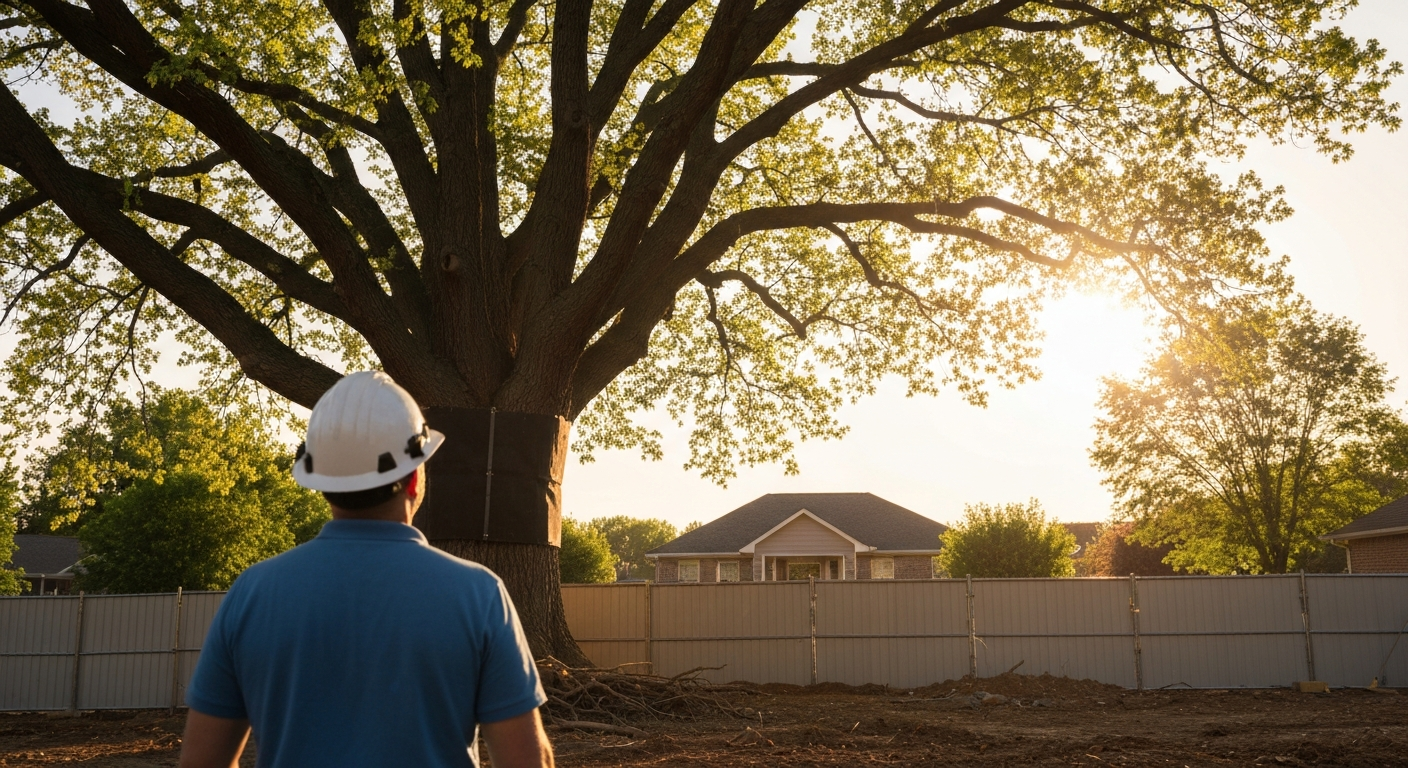
Tree pruning, especially for larger trees, can be a dangerous task. It involves working at heights, handling sharp tools, and understanding tree dynamics. Safety should always be the top priority. Key safety protocols include using appropriate personal protective equipment (PPE), ensuring stable footing, and being aware of surroundings, especially power lines.
For complex or large-scale pruning, professional expertise is not just beneficial—it's crucial. Certified arborists possess the knowledge of tree biology, pruning techniques, and safety standards necessary to perform the job effectively and safely. Improper pruning can lead to severe damage or even death of a tree, as highlighted by Purdue Extension. Professionals like Clark's Tree Care LLC are equipped with modern tools and follow strict safety protocols, ensuring the well-being of both your trees and property.
Beyond Your Yard: How Tree Pruning Supports a Healthier Ecosystem
The ripple effect of proper tree pruning extends beyond your immediate property, contributing to a healthier local ecosystem. By maintaining robust, disease-free trees, you're supporting biodiversity, enhancing air quality, and preserving green spaces. Healthy trees are better able to perform their environmental functions, such as carbon absorption and providing habitat for wildlife. This conscientious approach to tree care is an investment in both your property and the broader community.
Why Trust Clark's Tree Care LLC for Your Pruning Needs
When it comes to the intricate work of tree pruning, choosing the right professionals makes all the difference. Clark's Tree Care LLC brings over 5 years of hands-on experience, combining deep knowledge of local tree species with modern equipment and safety-first practices. Based in Waxhaw, NC, our team is committed to providing honest, professional tree care services at fair prices throughout the greater Charlotte area. We pride ourselves on treating every property like our own, ensuring meticulous care and exceptional results. You can see the quality and professionalism we bring to every job in our gallery of completed projects.
Cultivating a Thriving Landscape: The Lasting Value of Expert Tree Pruning
Investing in expert tree pruning is an investment in the long-term health, beauty, and safety of your property. By applying the right Tree Pruning Techniques Benefits and Best Practices, you not only enhance the immediate appeal of your landscape but also prevent costly issues down the line. Regular, professional care helps your trees thrive, contribute to a healthier environment, and stand as majestic features of your outdoor space for years to come.