Your Ultimate Guide: The Best Trees & Shrubs for Charlotte, NC from Clark's Tree Care
Introduction: Your Ultimate Guide to Charlotte Tree and Shrub Selection
Creating a vibrant and sustainable landscape in the Queen City requires careful consideration of local climate and soil conditions. This comprehensive guide from Clark's Tree Care will help you discover the Best Trees & Shrubs for Charlotte, NC, ensuring your property thrives with beauty and resilience. We'll delve into species ideally suited for our unique environment, from majestic shade trees to year-round evergreen shrubs, offering expert insights for both new plantings and established gardens.
Understanding Charlotte's Climate and Soil Conditions
Charlotte, nestled in North Carolina's Piedmont region, experiences a humid subtropical climate, characterized by hot, humid summers and mild winters. The area falls primarily within USDA Hardiness Zone 7b, meaning plants must be able to withstand temperatures typically ranging from the low 40s to the high 80s, with about 43 inches of annual rainfall. Our region's soil is often dense clay, which can pose challenges for drainage and root development. Incorporating organic matter like compost and pine bark is crucial to improve drainage and soil health, allowing plants to establish strong root systems. Understanding these local factors is the first step toward successful landscaping.
The Best Trees & Shrubs for Charlotte, NC: Clark's Expert Picks
Selecting the right plants ensures a beautiful, low-maintenance landscape. Our expertise, honed over years of working with Charlotte's diverse urban canopy, allows us to recommend species that truly flourish here. We focus on plants that are well-adapted to the local climate, offering aesthetic appeal, ecological benefits, and practical resilience. This approach minimizes the need for excessive care and contributes to a healthier environment.
Top Tree Recommendations for Charlotte Homes
Trees are the backbone of any landscape, providing shade, structure, and seasonal interest. For Charlotte homeowners, choosing species that can endure our summers and contribute to the local ecosystem is paramount. Local experts, such as Steven Capobianco, a horticulture agent with the Mecklenburg County Extension, emphasize the importance of selecting healthy trees and planting them properly to ensure their longevity and vitality.
Shade-Providing Trees for Cooler Charlotte Summers
A well-placed shade tree can significantly reduce cooling costs and provide a comfortable outdoor living space. Consider these top performers:
- Red Maple (Acer rubrum): Known for its brilliant red or orange fall foliage, the red maple is a fast-growing, low-maintenance deciduous tree that adapts to various soil types and exhibits good disease and insect resistance.
- River Birch (Betula nigra): With its distinctive peeling bark, the river birch is more heat-tolerant than other birches. It thrives in various soil conditions, including wet areas, making it a versatile choice for many Charlotte landscapes.
- Willow Oak (Quercus phellos): A fast-growing native oak, the willow oak provides dense shade with its narrow, willow-like leaves that turn golden in the fall. It's a robust choice for large properties, offering significant ecological value.
- Nuttall Oak (Quercus texana): This fast-growing oak offers substantial shade, reaching impressive heights and widths. Its round shape and brilliant red fall foliage are highly prized by landscapers and homeowners alike.
- American Elm (Ulmus americana): Thanks to disease-resistant varieties, the stately elm is making a comeback. These large trees can grow up to 100 feet, making them suitable for spacious properties where their grand canopy can fully develop.
Ornamental Trees for Seasonal Beauty and Curb Appeal
For bursts of color and unique visual interest, ornamental trees are excellent choices:
- Eastern Redbud (Cercis canadensis): This small native tree delights in early spring with abundant lavender or pink blossoms directly on its branches, followed by heart-shaped leaves. It adapts well to various conditions, preferring partial shade and well-drained soils.
- Flowering Dogwood (Cornus florida): North Carolina's state flower, the flowering dogwood, offers gorgeous pink or white spring blooms. Its leaves turn crimson-purple in the fall, providing multi-season appeal.
- Southern Magnolia (Magnolia grandiflora): A classic evergreen, the Southern Magnolia features large, fragrant white blooms and glossy green leaves, providing year-round beauty. Cultivars like 'Little Gem' are excellent for screening.
- Crape Myrtle (Lagerstroemia indica): Known for its long-lasting summer blooms in shades of purple, pink, red, or white, crape myrtles add vibrant color when other trees have finished flowering. Many varieties are heat and drought-tolerant.
Drought-Tolerant and Low-Maintenance Tree Options
For sustainable landscaping and reduced water usage, consider these resilient trees:
- Loblolly Pine (Pinus taeda): A fast-growing native pine, excellent for windbreaks and reforestation, adapting well to various soils and demonstrating good drought tolerance once established.
- American Persimmon (Diospyros virginiana): A hardy native fruit tree, recognized for its attractive orange fall foliage and sweet fruit that ripens after the first frost. This tree is quite adaptable to different soil moistures.
- Sweetgum (Liquidambar styraciflua): A fast-growing deciduous tree with star-shaped leaves that turn vibrant shades of red, orange, and purple in fall. It's adaptable to various soil conditions and reasonably drought-tolerant once established.
Essential Shrub Selections for Charlotte Gardens
Shrubs provide critical structure, privacy, and habitat in your landscape. Choosing native and well-adapted species can greatly benefit local wildlife.
Evergreen Shrubs for Year-Round Privacy and Structure
Evergreen shrubs are perfect for maintaining visual interest and privacy throughout the year:
- Inkberry Holly (Ilex glabra): A low-maintenance, broadleaf evergreen with dark green foliage and small black berries that attract birds, offering dense structure for foundation plantings or hedges.
- Yaupon Holly (Ilex vomitoria): This tough, drought-tolerant native shrub features small evergreen leaves and bright red winter berries, showcasing natural resistance to heat, pests, and deer.
- Wax Myrtle (Morella cerifera): A fast-growing, semi-evergreen shrub with fragrant, gray-green foliage, thriving in varied soil conditions. It's ideal for privacy screening, erosion control, and wildlife habitat.
- Mountain Laurel (Kalmia latifolia): A stunning broadleaf evergreen that produces clusters of pink or white spring flowers, thriving in shade to partial sun and providing year-round structure in woodland gardens.
- Carolina Jessamine (Gelsemium sempervirens): A hardy, evergreen vine-like shrub that provides bright yellow, fragrant blooms in early spring, offering year-round greenery and adaptable uses from arbors to screen walls.
Vibrant Flowering Shrubs to Enhance Your Landscape
Add seasonal color and attract pollinators with these beautiful flowering shrubs:
- Oakleaf Hydrangea (Hydrangea quercifolia): A stunning, multi-seasonal native shrub with large, cone-shaped white blooms that age to pink. Its bold, oak-like leaves turn deep red and purple in fall, and it offers attractive peeling bark for winter interest.
- American Beautyberry (Callicarpa americana): Celebrated for its vibrant magenta fruit clusters along the stems in early fall, this adaptable shrub also features less showy flowers that attract small native bees.
- Virginia Sweetspire (Itea virginica): A fragrant, adaptable native shrub with cascading white flower spikes in late spring to summer and stunning red and purple fall foliage, thriving in both sun and shade.
- Flame Azalea (Rhododendron calendulaceum): A show-stopping native flowering shrub that bursts with fiery orange, yellow, and red blooms in spring, thriving in woodland settings and well-drained soil.
Native and Wildlife-Friendly Shrubs for a Thriving Ecosystem
Native shrubs are essential for supporting local wildlife, offering food and habitat. Charlotte Glen, an NC State Extension native plants expert, emphasizes that choosing native shrubs can significantly enhance your home landscape for bees, butterflies, birds, and other wildlife. Some key wildlife-friendly shrubs include:
- Spicebush (Lindera benzoin): Known for its early spring yellow flowers that attract pollinators and red fruits that feed migrating songbirds. It's also a larval host plant for swallowtail butterflies.
- Serviceberry (Amelanchier spp.): One of the earliest native plants to bloom, offering white flowers for pollinators and edible berries for birds. Its foliage provides striking fall colors.
- Rabbiteye Blueberry (Vaccinium corymbosum): Not only does it produce delicious fruit, but its flowers support native bees, and its leaves turn brilliant red in late fall, providing multi-season interest and food for birds.
- Possumhaw Viburnum (Viburnum nudum): This shrub offers white blooms in spring for butterflies and moths, followed by berries that change from green to pink to blue, attracting various bird species. Its leaves turn rich red and wine colors in late fall.
Expert Planting and Maintenance Tips for Your Charlotte Landscape
Proper planting and ongoing care are vital for the health and longevity of your trees and shrubs in Charlotte. Clark's Tree Care brings over 5 years of hands-on experience and deep knowledge of local tree species to every project, ensuring expert advice and service.
Optimal Planting Times and Techniques for Trees and Shrubs
The best time to plant trees and shrubs in Charlotte is generally in the fall or late winter/early spring. This allows plants to establish their root systems before the stress of summer heat. When planting:
- Dig a hole that is two to three times wider than the root ball, but only as deep as the root ball.
- Ensure the root flare (where the trunk widens at the base) is visible at or slightly above soil level.
- Gently loosen circling roots to encourage outward growth.
- Backfill with native soil, avoiding excessive amendments unless soil quality is extremely poor.
- Water thoroughly after planting to settle the soil around the roots.
Proper Watering, Mulching, and Fertilizing Strategies
These practices are fundamental to plant health:
- Watering: Deep and infrequent watering encourages deep root growth. Use drip irrigation or soaker hoses to apply water directly to the root zone, reducing evaporation. Young plants need consistent moisture, especially during dry spells.
- Mulching: Apply a 2-4 inch layer of organic mulch (like pine needles or wood chips) around the base of trees and shrubs, keeping it a few inches away from the trunk. Mulch conserves soil moisture, suppresses weeds, and regulates soil temperature.
- Fertilizing: A soil test can determine specific nutrient needs. Generally, native plants in healthy soil require minimal fertilization. If needed, use a slow-release, balanced fertilizer according to package directions.
The Importance of Professional Pruning for Plant Health
Pruning is an art and a science that significantly impacts plant health and structure. Clark's Tree Care offers expert tree trimming and pruning services designed to:
- Remove dead, diseased, or damaged branches.
- Improve tree structure and shape.
- Increase air circulation within the canopy.
- Promote healthy growth and flowering.
- Prevent potential hazards from weak or overgrown limbs.
Incorrect pruning, such as tree topping, can severely stress trees and lead to hazardous growth. Always entrust significant pruning tasks to certified arborists.
Designing a Harmonious Landscape: Blending Trees and Shrubs
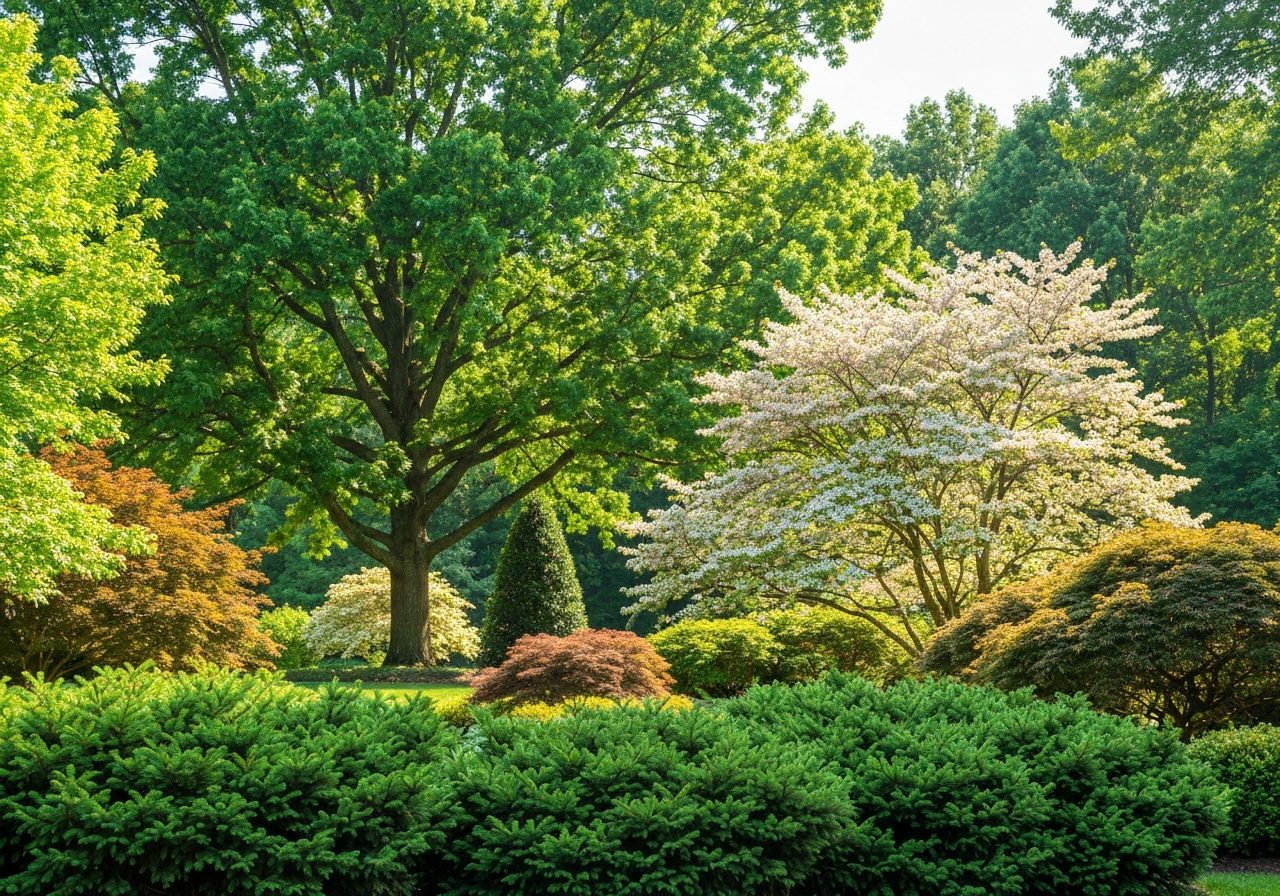
A well-designed landscape goes beyond individual plant selection; it involves creating a cohesive and visually appealing environment where trees and shrubs complement each other and the surrounding architecture.
Creating Year-Round Visual Interest in Your Yard
To ensure your Charlotte garden remains attractive throughout the seasons, consider these design principles:
- Layering: Plant taller trees in the background, medium-sized shrubs in the middle, and lower-growing shrubs or perennials in the foreground.
- Texture and Form: Mix plants with varying leaf sizes, shapes, and growth habits (e.g., upright, mounding, weeping) to create dynamic contrast.
- Color Throughout Seasons: Select plants that offer interest in different seasons – spring flowers (Redbud, Dogwood), summer blooms (Crape Myrtle, Hydrangea), fall foliage (Red Maple, Oakleaf Hydrangea), and winter berries or evergreen appeal (Yaupon Holly, Possumhaw Viburnum).
- Native Plant Groupings: As recommended by NC State Extension, grouping native plants together creates a more natural look and supports a diverse ecosystem, offering food and shelter for wildlife.
Why Choose Clark's Tree Care for Your Charlotte Property Needs
When it comes to maintaining the health and beauty of your Charlotte landscape, partnering with a reputable and experienced tree care company is essential. Clark's Tree Care is dedicated to providing honest, professional services with a focus on customer satisfaction.
- Safety First: Every job adheres to strict safety protocols, performed by a fully insured crew trained in the latest arboriculture techniques.
- Competitive Pricing: We offer transparent pricing with free estimates and are committed to beating any written quote, ensuring you receive fair value for top-tier service.
- Fast Response: From 24/7 emergency storm response to same-day quotes and rapid scheduling for routine work, we prioritize efficiency and responsiveness.
- Locally Owned and Operated: As your neighbors, based just 25 minutes from Charlotte in Waxhaw, we take pride in contributing to the safety and beauty of our community's trees.
Beyond Planting: Clark's Comprehensive Tree Services
Our commitment to your landscape extends beyond helping you select the Best Trees & Shrubs for Charlotte, NC. Clark's Tree Care provides a full spectrum of professional tree services to address all your property's needs, whether routine maintenance or emergency situations. Our services include:
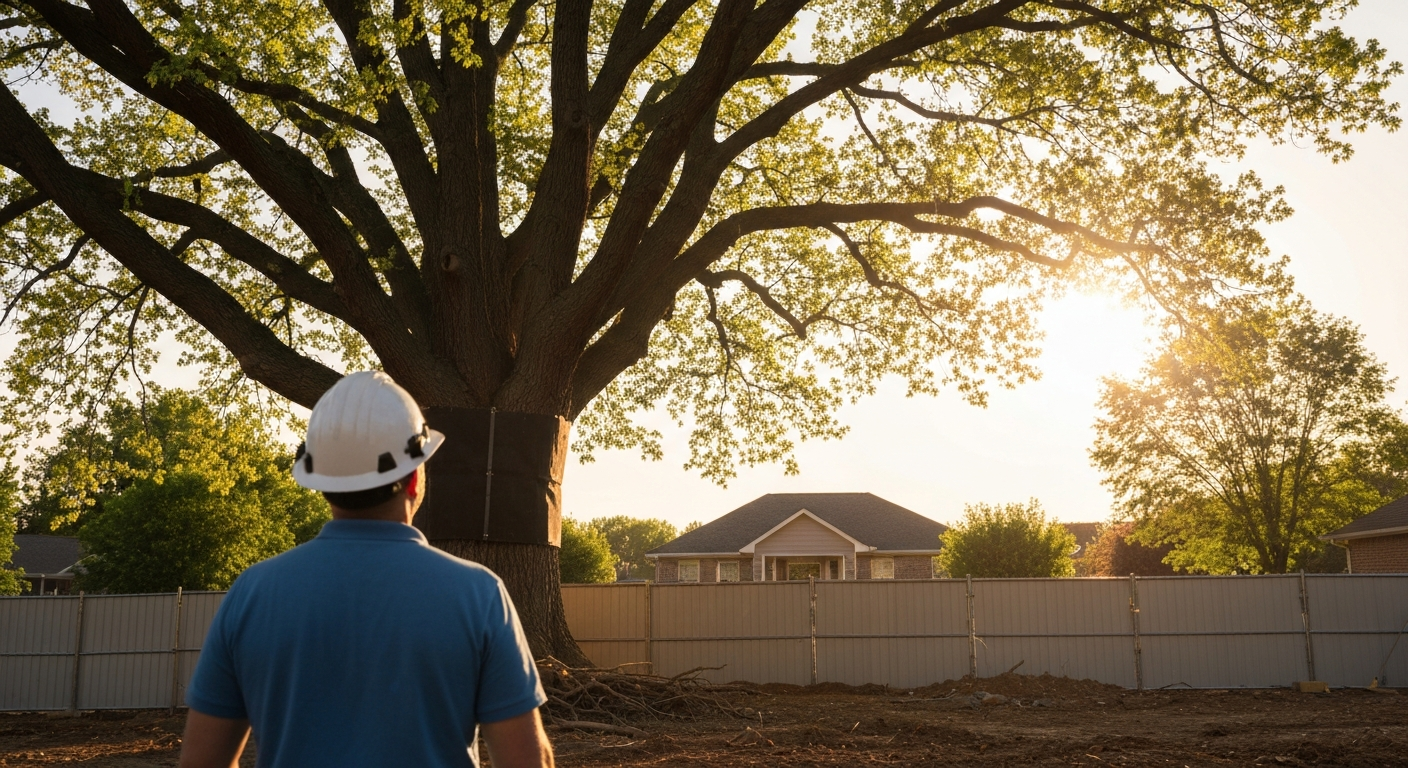
- Tree Removal: Safe and efficient removal of hazardous or unwanted trees, including lot clearing and crane-assisted removals for large trees near structures.
- Tree Trimming & Pruning: Expert care to maintain tree health, enhance aesthetics, and mitigate risks through crown thinning, deadwood removal, and proper shaping.
- Stump Grinding & Removal: Complete elimination of stumps to reclaim yard space and prevent regrowth.
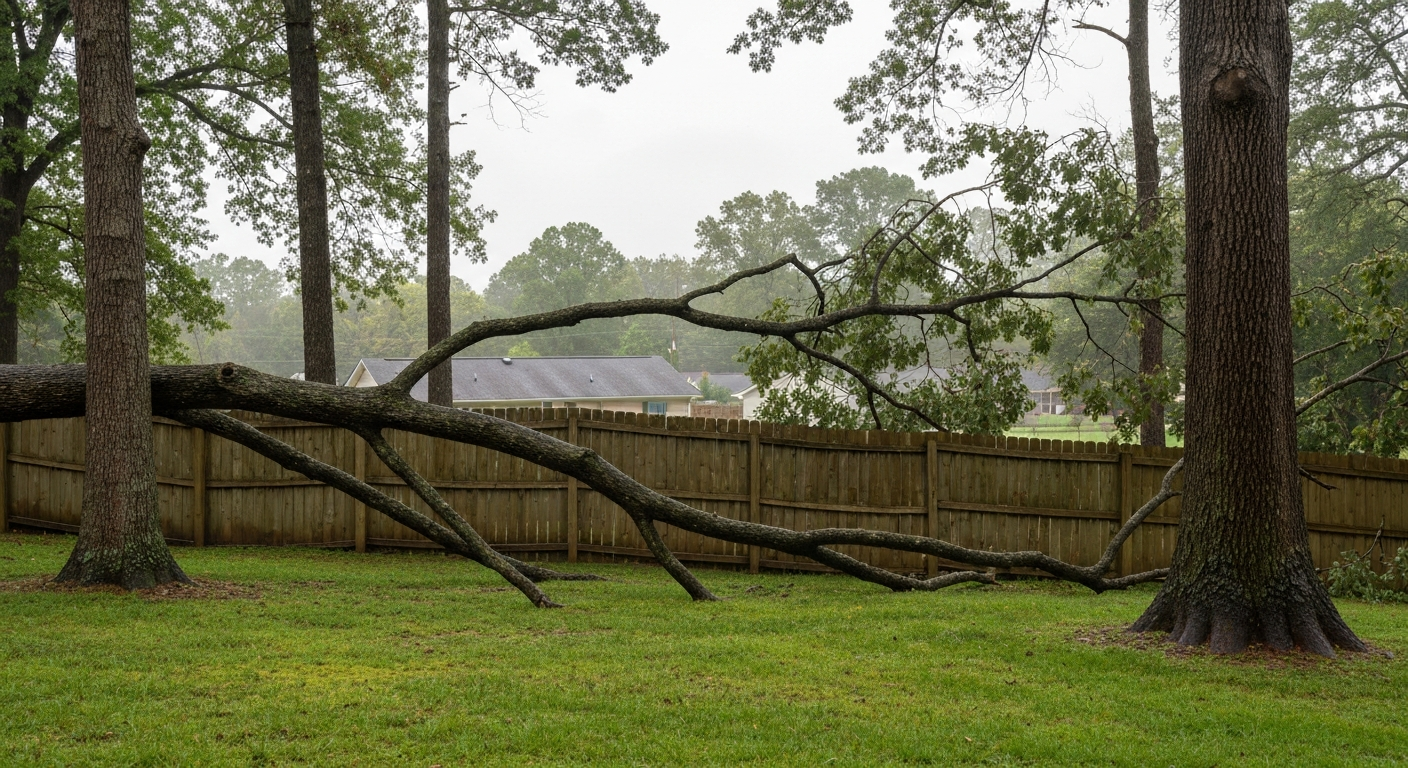
- Storm Damage & Emergency Services: Rapid response for fallen trees, hanging limbs, and property damage cleanup, available 24/7.
- Tree Topping & Height Reduction: Professional canopy management to control overgrown trees while preserving their health and appearance.
Transform Your Landscape: Get a Free Estimate from Clark's Tree Care
Ready to enhance your Charlotte property with the ideal trees and shrubs, or need professional care for your existing landscape? Clark's Tree Care is here to help. Our team is equipped with the knowledge and tools to ensure your trees and shrubs thrive, contributing to a greener, healthier environment. Contact us today for a free, no-obligation estimate. We will assess your specific needs and provide honest, competitive pricing to transform your landscape into a beautiful and enduring outdoor space.