Clark's Tree Care: Your Guide to Nurturing the Native Trees of North Carolina
Embracing the Beauty and Benefits of Native North Carolina Trees
Incorporating Native Trees of North Carolina into your landscape offers a wealth of ecological, economic, and aesthetic advantages. These indigenous species have evolved alongside the state's unique climate and soil conditions over thousands of years, forming intricate relationships with local wildlife and contributing to a resilient, self-sustaining ecosystem. Choosing native trees for your property means investing in a landscape that thrives naturally, requires less maintenance, and provides vital support for local biodiversity.
Understanding the Native Trees of North Carolina: A Guide to Local Species
North Carolina boasts a remarkable diversity of native tree species, each adapted to its specific ecological region: the Mountains, Piedmont, and Coastal Plain. Understanding these regions is key to selecting the right trees for your site. For instance, the North Carolina Native Plant Society provides a comprehensive list of recommended native species, categorized by size and preferred conditions, highlighting the importance of matching plants to their ideal habitats.
Key Native Tree Examples:
- Oaks (Quercus spp.): Many oak species, such as White Oak (Quercus alba) and Willow Oak (Quercus phellos), are native across various regions of North Carolina. They are foundational species, supporting hundreds of caterpillar species and providing acorns for a wide array of wildlife.
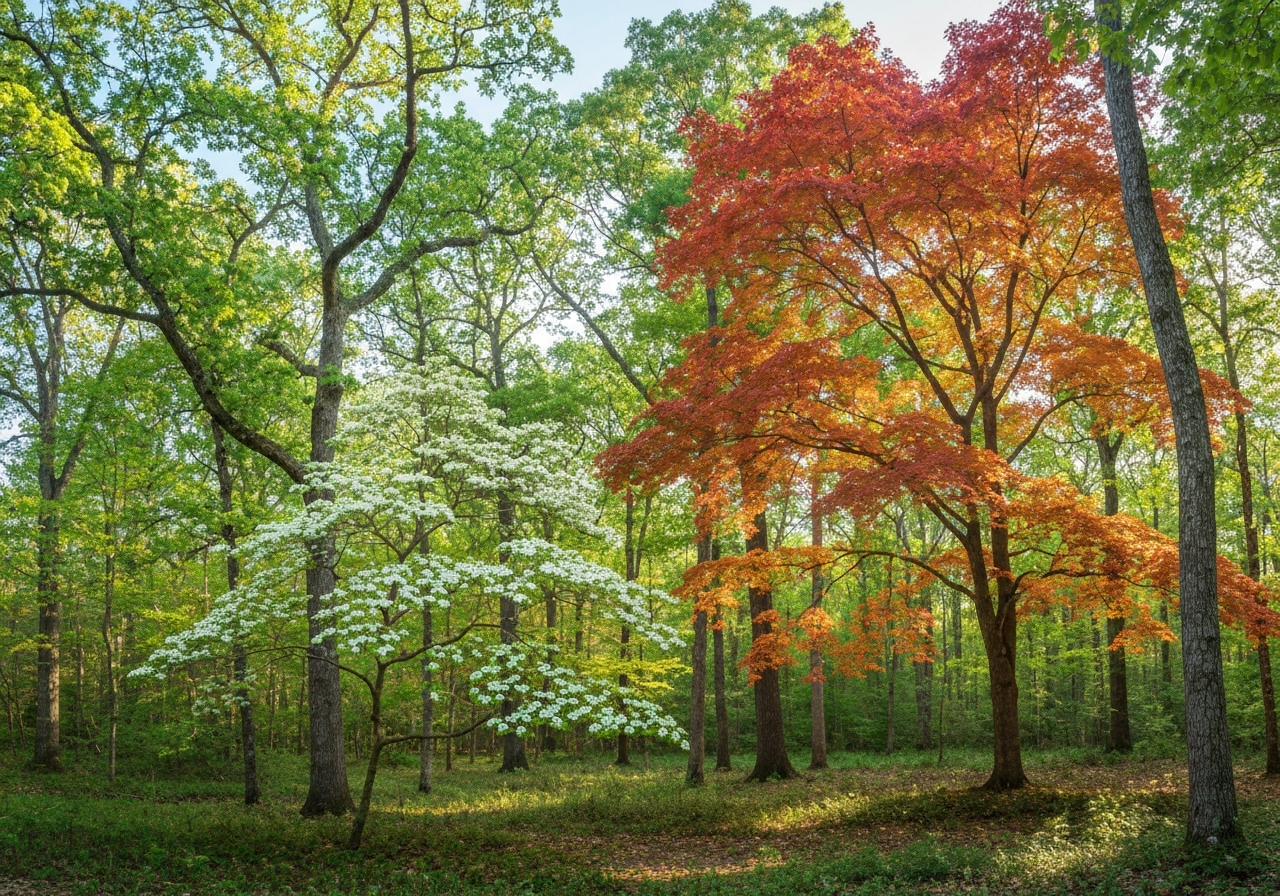
- Maples (Acer spp.): Red Maple (Acer rubrum) is a fast-growing, medium-sized tree that thrives across the state, offering vibrant fall color and early nectar for pollinators.
- Dogwoods (Cornus florida): The Flowering Dogwood, North Carolina's state tree, is a small, understory tree admired for its spring blooms and red fruits that feed migrating birds.
- Magnolias (Magnolia virginiana): Sweetbay Magnolia offers fragrant, creamy-white flowers throughout the summer and is particularly tolerant of wet soils, making it an excellent choice for various landscapes.
- Blackgum (Nyssa sylvatica): Known for its spectacular fall foliage and blue-black fruits, Blackgum is a adaptable tree that thrives in both wet and dry conditions.
The NC State Extension provides a guide for identifying common trees in North Carolina, emphasizing that characteristics like leaf shape, margin, and arrangement are crucial for accurate identification.
Why Go Native? The Ecological and Practical Advantages for Your Landscape
The benefits of planting native trees extend far beyond aesthetics, creating a healthier, more sustainable environment. As noted by NC State Extension, native plants are vital parts of local ecosystems necessary for the survival of pollinators, insects, birds, mammals, and other wildlife. Here's why choosing native is a superior choice for your landscape:
- Biodiversity Support: Native trees provide essential food and habitat for local wildlife, including pollinators, birds, and small mammals. For example, oaks are critical host plants for numerous caterpillar species, which are a primary food source for nesting birds.
- Climate Adaptation: Having evolved in the region, native trees are naturally resilient to North Carolina's specific climate extremes, including heat, humidity, and occasional droughts. This inherent hardiness often translates to less stress and better long-term survival for the trees.
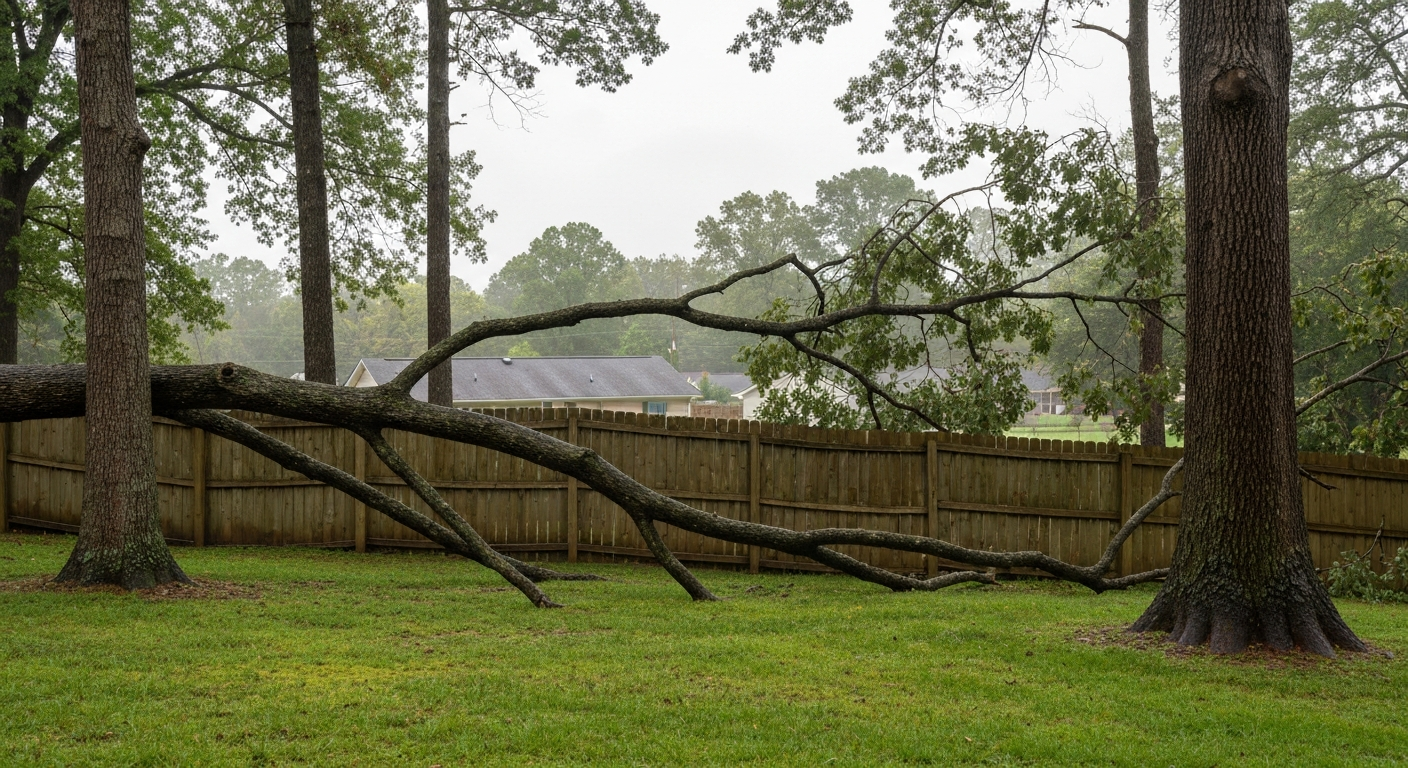
- Soil Health and Erosion Control: The deep root systems of many native trees stabilize soil, reduce erosion, and improve water infiltration, contributing to healthier soil structure and resilience against storm events.
- Reduced Maintenance: Once established, native trees typically require less water, fertilizer, and pesticides compared to non-native ornamental species. They are more resistant to local pests and diseases, having developed natural defenses over time.
As Cultivating Flora highlights, native plants are uniquely adapted to North Carolina’s climate, soils, and seasonal rhythms, leading to measurable ecological, economic, and aesthetic benefits.
Essential Care and Maintenance for Thriving Native Trees in NC
While native trees are inherently resilient, proper care during establishment and ongoing maintenance are crucial for their long-term health and vitality. Even native plants in a residential landscape can face different conditions than in their natural habitat due to factors like compacted soils from construction.
Key Maintenance Practices:
- Site Selection and Soil Preparation: Choose the right tree for the right place, considering light exposure, soil type, and drainage. Amending the soil with organic matter, such as compost, before planting can help alleviate compaction and restore soil structure.
- Watering: Newly planted native trees require consistent watering for the first few weeks to help their roots establish. After establishment, supplemental irrigation may still be needed during prolonged dry periods, especially in areas where rainfall infiltration is limited.
- Mulching: Maintain a 2-3 inch layer of organic mulch around your trees to conserve soil moisture, regulate soil temperatures, and suppress weeds. Allowing fallen leaves to remain on the ground also provides natural mulch and habitat.
- Pruning: Regular tree trimming and pruning are essential for promoting healthy growth, removing dead or diseased branches, and maintaining the tree's structural integrity. This is best done by trained professionals to avoid damage.
Common Challenges Facing Native North Carolina Trees and How to Address Them
Even robust native trees can face challenges in a changing environment. One significant threat comes from invasive non-native plants that compete for resources and can displace native species. Identifying and removing invasive plants from your property is a critical step in promoting the health of your native trees.
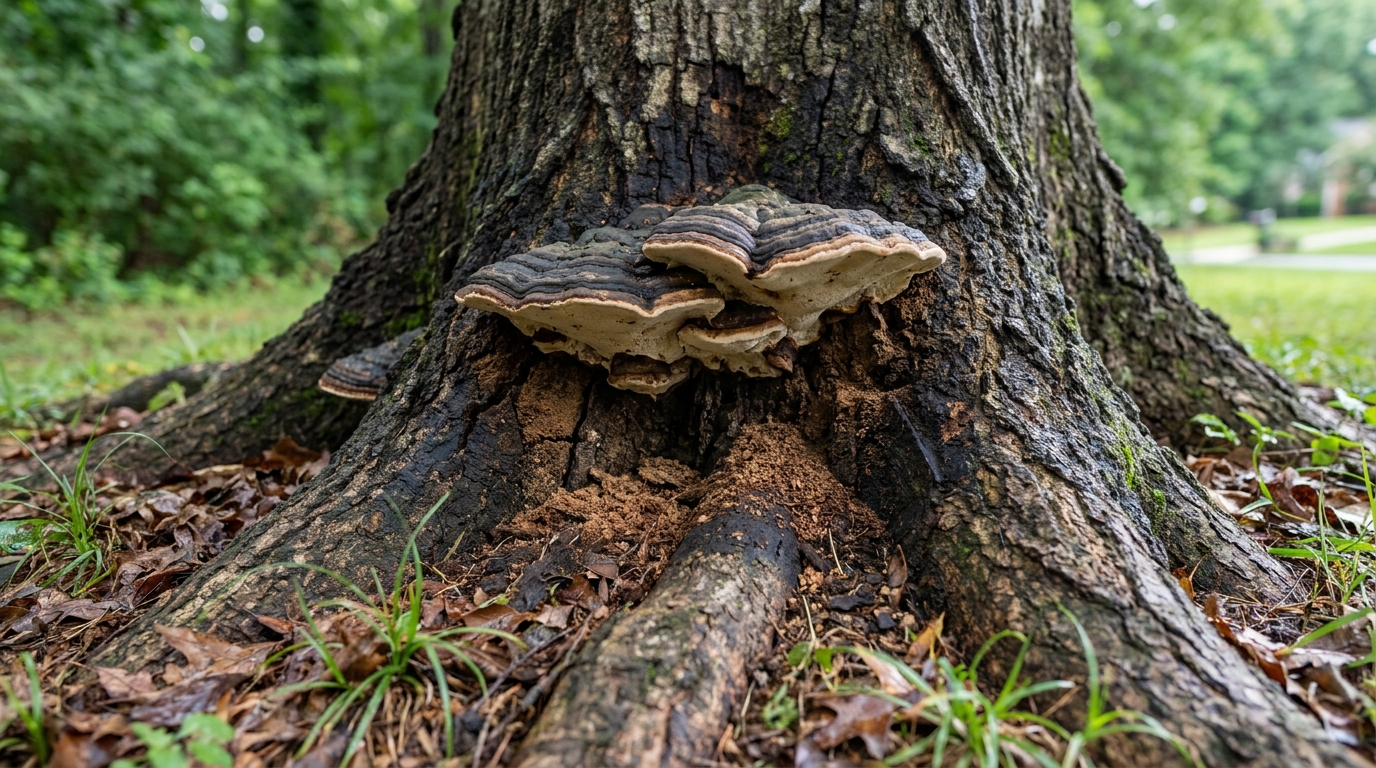
Urban environments also present unique stressors, such as compacted soils, heat reflection from paved surfaces, and pollution. Selecting native species tolerant of these harsher conditions, as detailed in guides for native trees and shrubs for urban coastal landscapes, is important for success. Furthermore, introduced pests can pose a threat, as native trees may lack natural resistance. Monitoring your trees for signs of pest issues and seeking expert advice can help protect their health.
Partnering with Clark's Tree Care: Expert Support for Your Native Tree Landscape
Nurturing a landscape rich with Native Trees of North Carolina requires specialized knowledge and care. Clark's Tree Care LLC is committed to helping homeowners and businesses maintain the health and beauty of their native trees. Our team of experienced professionals, based in Waxhaw and serving areas like Monroe, Matthews, and Mint Hill, understands the unique needs of local species.
We offer a range of services designed to support your native tree landscape, from expert planting and strategic pruning to disease and pest management. Our approach prioritizes the long-term health of your trees and the surrounding ecosystem, aligning with the principles of sustainable arboriculture. Clark's Tree Care is fully licensed and insured, ensuring that every job is performed with the highest standards of safety and quality.
Cultivating a Resilient and Beautiful Environment with Native Species
Embracing Native Trees of North Carolina is a powerful way to create a landscape that is not only beautiful but also ecologically sound and resilient. By choosing species adapted to the local environment, you contribute to a thriving ecosystem that supports diverse wildlife and requires less intervention. The long-term benefits of native plantings, including reduced maintenance and enhanced biodiversity, make them an intelligent and responsible choice for any property. With thoughtful planning and expert care, your native trees will flourish, enhancing your property's value and contributing to the natural heritage of North Carolina.