Protect Your Investment: Clark's Expert Guide to All Seasons Tree Care
Introduction: Protect Your Investment with Year-Round Tree Health
Ensuring the longevity and vitality of your trees requires a proactive approach that extends beyond a single season. Effective all seasons tree care is a continuous cycle of observation, maintenance, and protection, adapting to the unique needs of your trees throughout the year. Neglecting seasonal requirements can lead to weakened trees, increased susceptibility to pests and diseases, and costly damage. By understanding and implementing year-round care strategies, you safeguard your arboreal investments, promoting their health, beauty, and structural integrity.
Winter Tree Care: Safeguarding Dormant Trees Against the Cold
While trees may appear dormant in winter, they are still vulnerable to the harsh elements. Proper winter care is crucial for their survival and health in the coming growing seasons. Key aspects include:
- Pruning: Winter is often an ideal time for pruning deciduous trees as their leafless state allows for a clear view of their structure, making it easier to identify and remove dead, diseased, or damaged branches. This reduces the risk of breakage from snow and ice accumulation. For oaks, specifically, late winter (December through February) is the safest window for pruning to prevent the spread of oak wilt disease, as the vectors for this disease are inactive.
- Winter Watering: Even dormant trees need water. If your region experiences dry winters with little snow, supplemental watering is essential, particularly for evergreens and newly planted trees. Water when temperatures are above 40°F, preferably around midday, to allow absorption before freezing. Test soil moisture with a probe; if it's difficult to insert, watering is necessary.
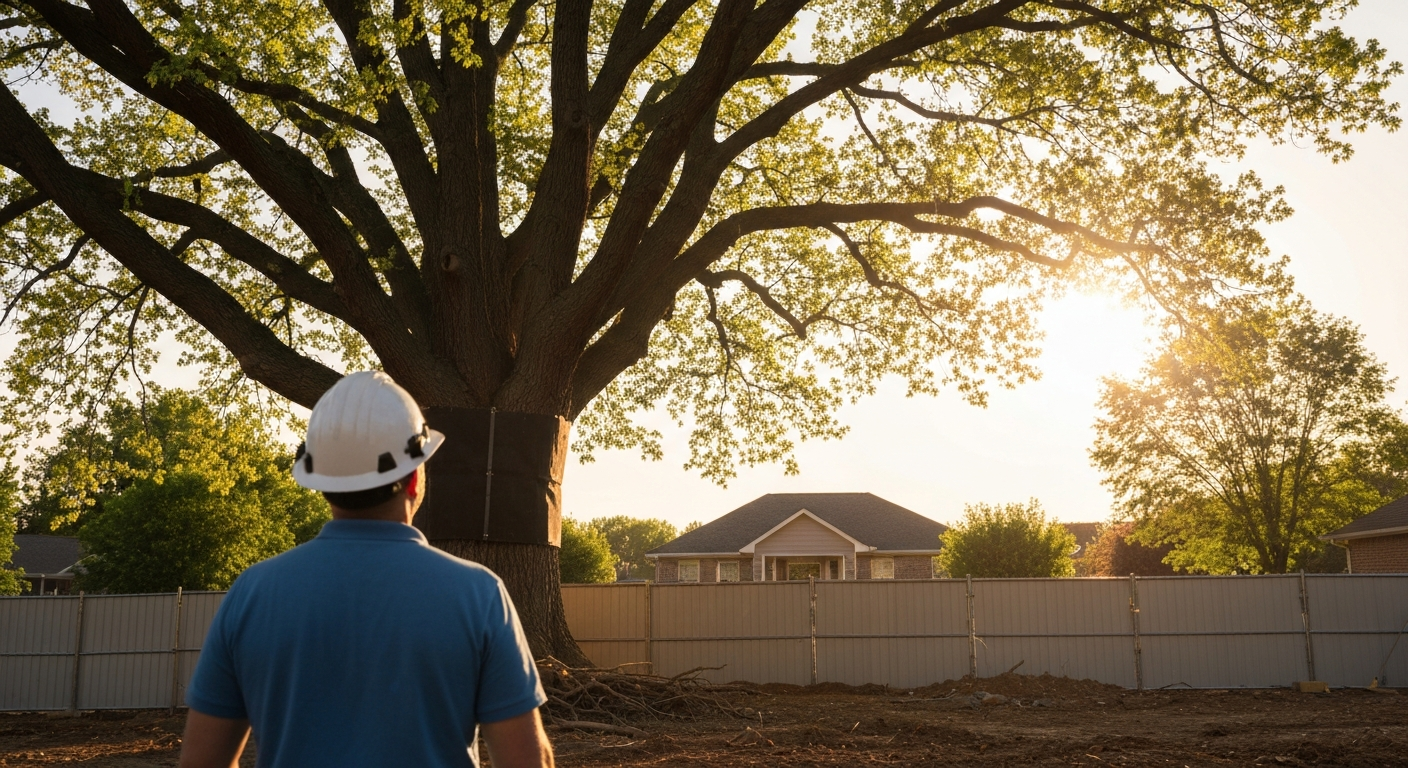
- Protection from Sunscald: Young trees with thin bark are susceptible to sunscald. This occurs when warm winter sun heats the bark, reactivating cells, which then freeze rapidly as temperatures drop at night. Protect vulnerable trunks, especially on the south or southwest side, with white tree wraps or guards from late fall to early spring.
- Salt and Animal Damage Prevention: Road salt runoff can harm tree roots and foliage. Use alternative de-icing agents or create physical barriers. To deter animals like rabbits and voles from gnawing on bark, install wire mesh cylinders or plastic tree guards around trunks, extending above the anticipated snow line.
- Anti-Desiccant Sprays: For broadleaf evergreens, anti-desiccant sprays can reduce moisture loss from foliage caused by cold, dry winds when roots are unable to absorb water from frozen soil. These should be applied after hardening off in late November.
Spring Tree Care: Nurturing New Growth and Preventing Issues
Spring marks the awakening of trees and the beginning of a new growth cycle. This season requires attention to soil health, nutrient supply, and early pest prevention.
- Soil Preparation and Mulching: Inspect soil levels and fill any cracks. Add a 2-3 inch layer of organic mulch around the base of trees, keeping it a few inches away from the trunk. Mulch helps retain moisture, regulate soil temperature, and suppress weeds.
- Fertilization: Early spring is an excellent time to fertilize. This provides vital nutrients like nitrogen, phosphorus, and potassium that stimulate vigorous new growth. Professionals can assess soil needs and apply slow-release fertilizers for optimal absorption.
- Initial Clean-Up: Remove any dead or diseased debris that didn't make it through winter. Thin out thick growth to improve air circulation, which helps prevent fungal infections and reduces wildfire risk by eliminating "ladder fuels."
- Pest Prevention: As temperatures rise, so does pest activity. Early spring offers a critical window for preventative treatments against common pests. A certified arborist can help identify regional threats and recommend appropriate, eco-friendly solutions.
Summer Tree Care: Hydration, Heat Stress, and Ongoing Vigilance
Summer is a period of active growth and can also bring challenges like heat and drought. Your primary focus during these months should be hydration and monitoring.
- Preventing Heat Stress: Prolonged hot, dry spells can lead to tree heat stress, evidenced by wilted leaves, premature leaf drop, and poor fruit development. Regular deep watering is crucial, especially before heat waves. Water during cooler hours (early morning or overnight) to maximize absorption and minimize evaporation. Replenishing mulch helps retain soil moisture.
- Supplemental Fertilization: In some cases, summer fertilization can help trees recover from stress or nutrient deficiencies, promoting a strong root system and new growth.
- Light Pruning: While major pruning is best avoided during peak summer, light pruning can be done to remove small deadwood or address minor structural issues. Summer is also a good time for tree removals.
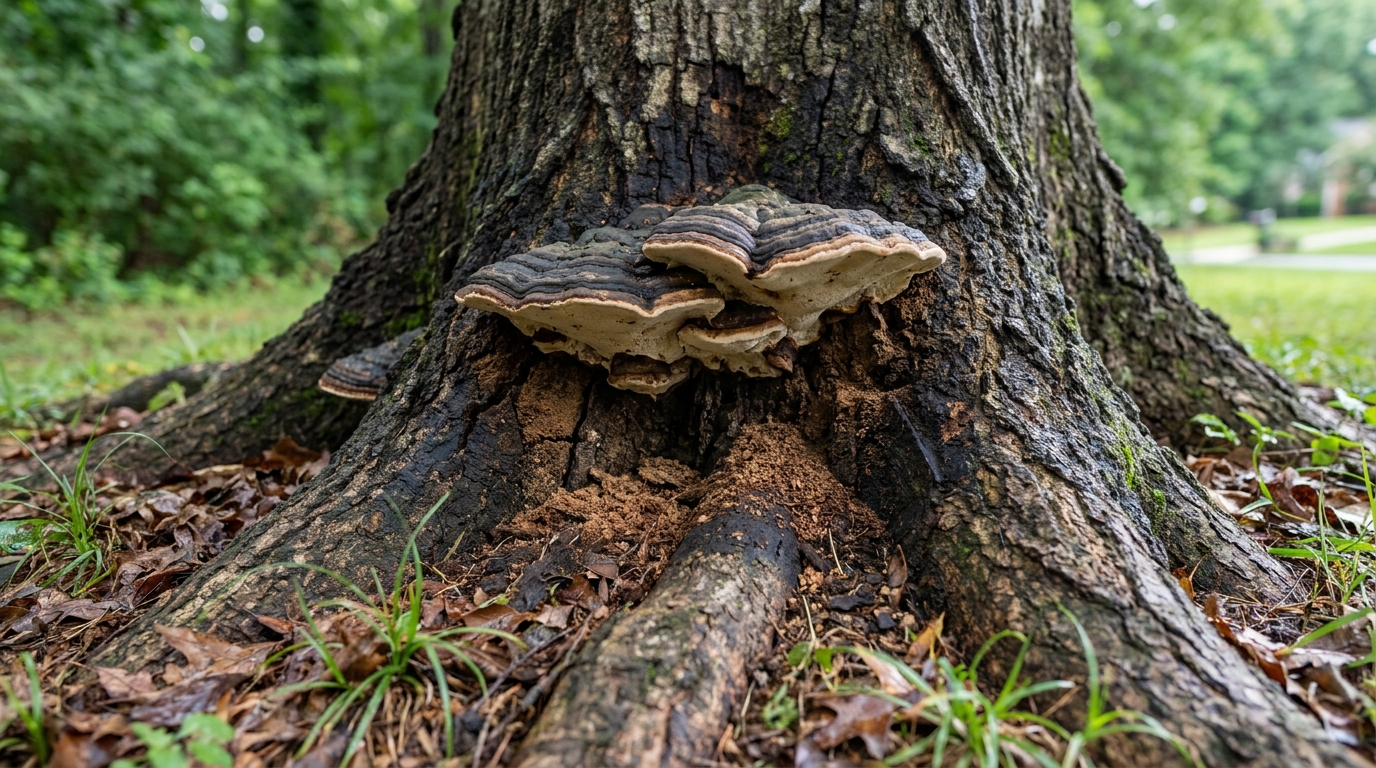
- Monitoring for Pests and Diseases: Continue vigilant inspection for signs of insect infestations or disease outbreaks. Early detection is key to effective management.
Fall Tree Care: Essential Preparation for the Dormant Season
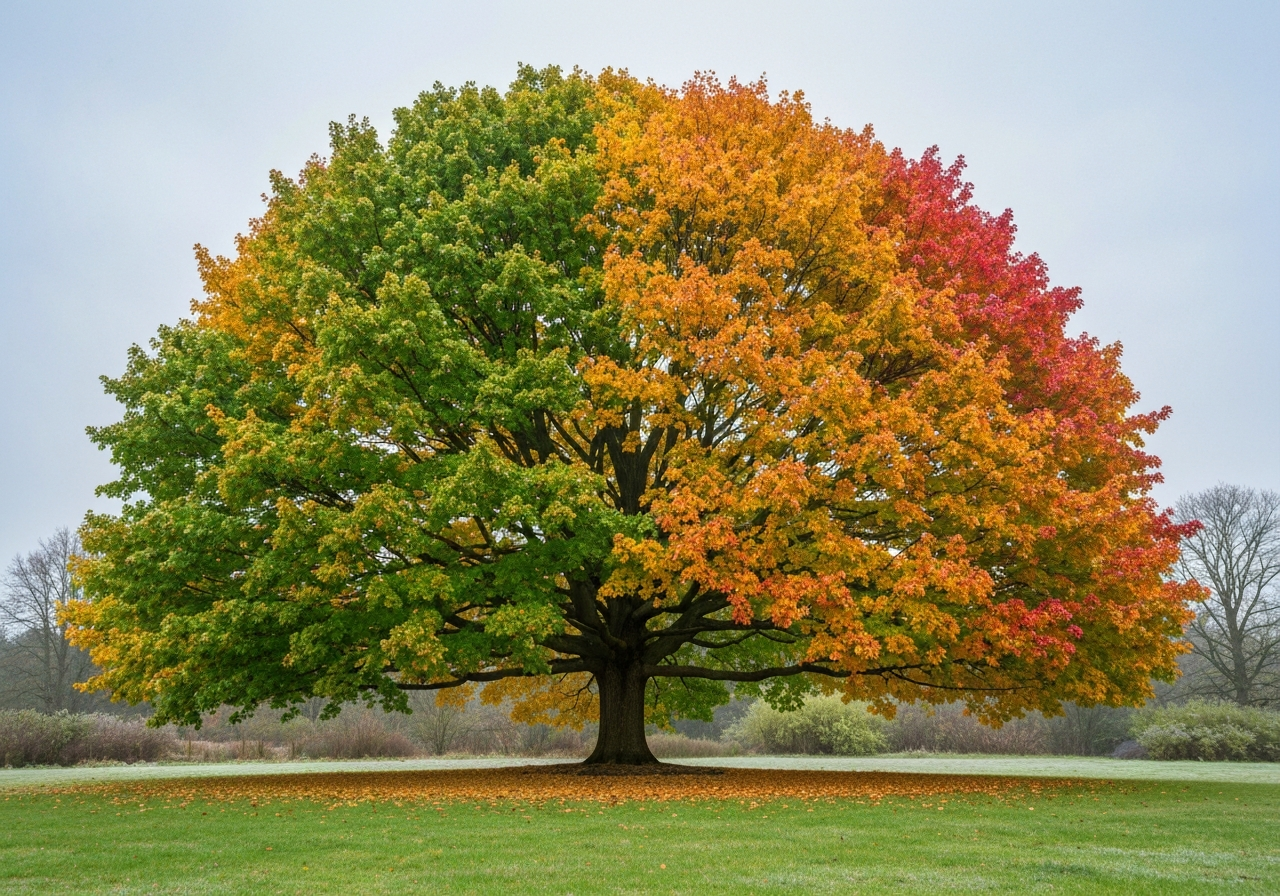
Fall is a time of transition, as trees prepare for dormancy. Proper care now sets the stage for a healthy winter and vigorous spring.
- Clean-Up and Shaping: Remove any dead or diseased branches that may have occurred over the summer. Evaluate the tree's overall shape and canopy structure, and perform any necessary corrective pruning. This helps prevent winter storm damage from weak limbs.
- Leaf Raking: While a few leaves can decompose and enrich the soil, thick piles can harbor diseases and pests that may transfer to your trees. Rake and remove excessive leaf litter.
- Deep Watering: Trees are still drawing significant nutrients and water in the fall. Ensure they are well-hydrated, especially before the ground freezes. Use a subsurface probe to deliver water deeply to the root zone.
- Fall Fertilization: A slow-release fertilizer application in the fall provides essential nutrients that trees can store for the winter, giving them a head start in spring.
The Clark's Advantage: Expert All Seasons Tree Care
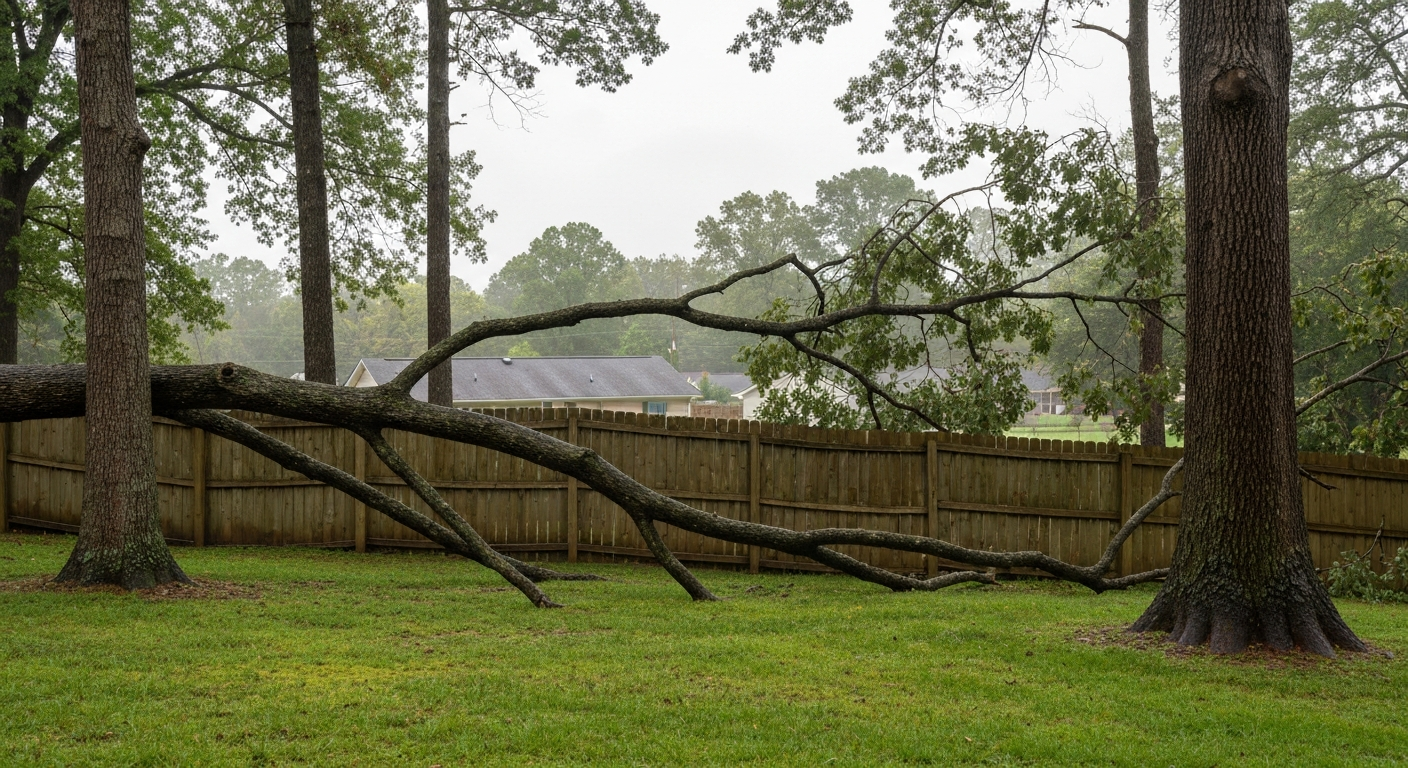
Navigating the nuances of all seasons tree care can be complex, requiring specialized knowledge and equipment. Clark's Tree Care LLC offers comprehensive services tailored to the unique needs of your landscape year-round. From strategic pruning and fertilization to emergency storm response and hazardous tree removal, our certified arborists provide the expertise to maintain the health and safety of your trees.
Our commitment to safety, transparent pricing, and rapid response ensures that your property receives the highest level of care. We understand the local climate and its impact on tree health, providing solutions that are effective and sustainable. Whether you need routine maintenance or emergency assistance, our team is equipped to handle every aspect of tree care with professionalism and precision. You can learn more about our services and find answers to common questions on our FAQ page and our main Clark's Tree Care website.
Secure Your Trees' Future: Partner with Clark's Tree Care
Investing in professional all seasons tree care is an investment in your property's future. Healthy trees enhance curb appeal, increase property value, and provide environmental benefits. By partnering with experts like Clark's Tree Care LLC, you ensure your trees receive the attentive, knowledgeable care they deserve throughout every season, protecting them against environmental stressors and promoting their robust health for years to come.