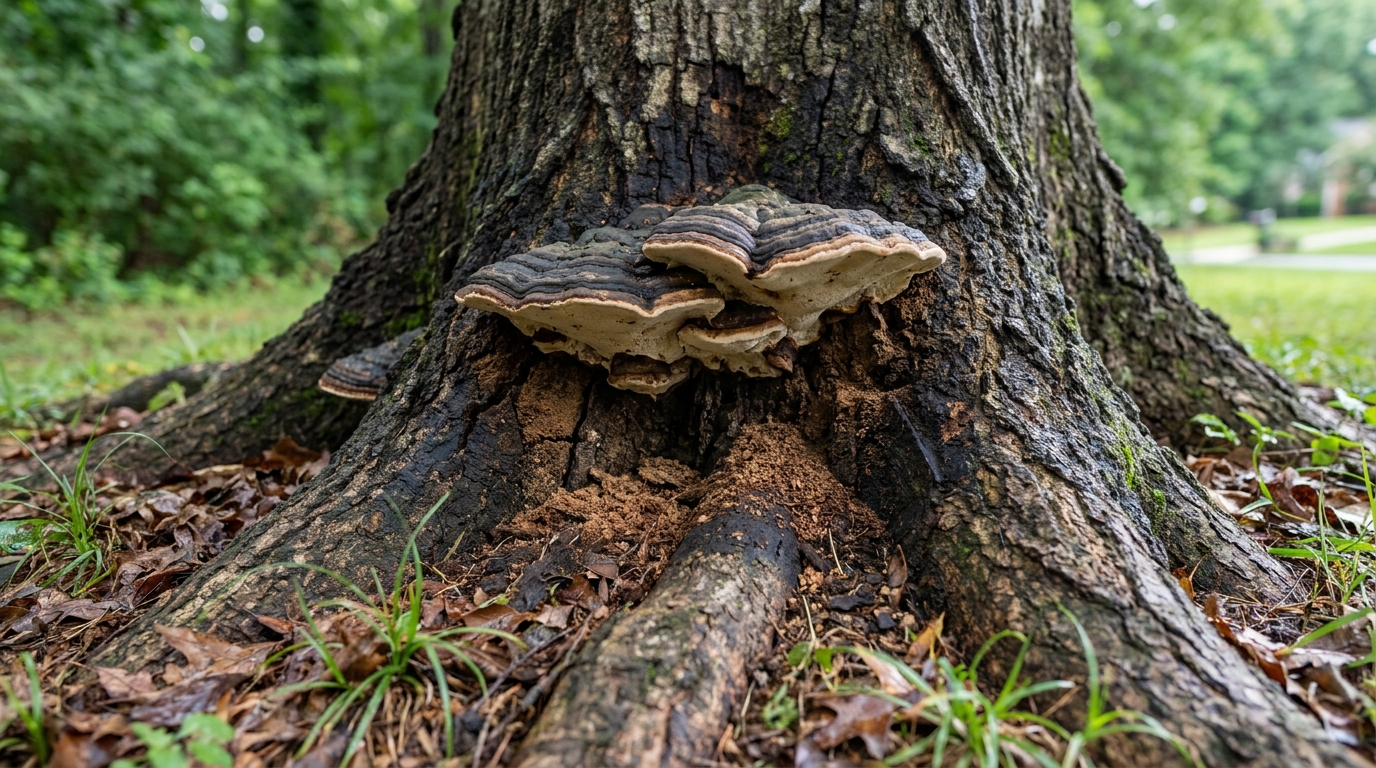
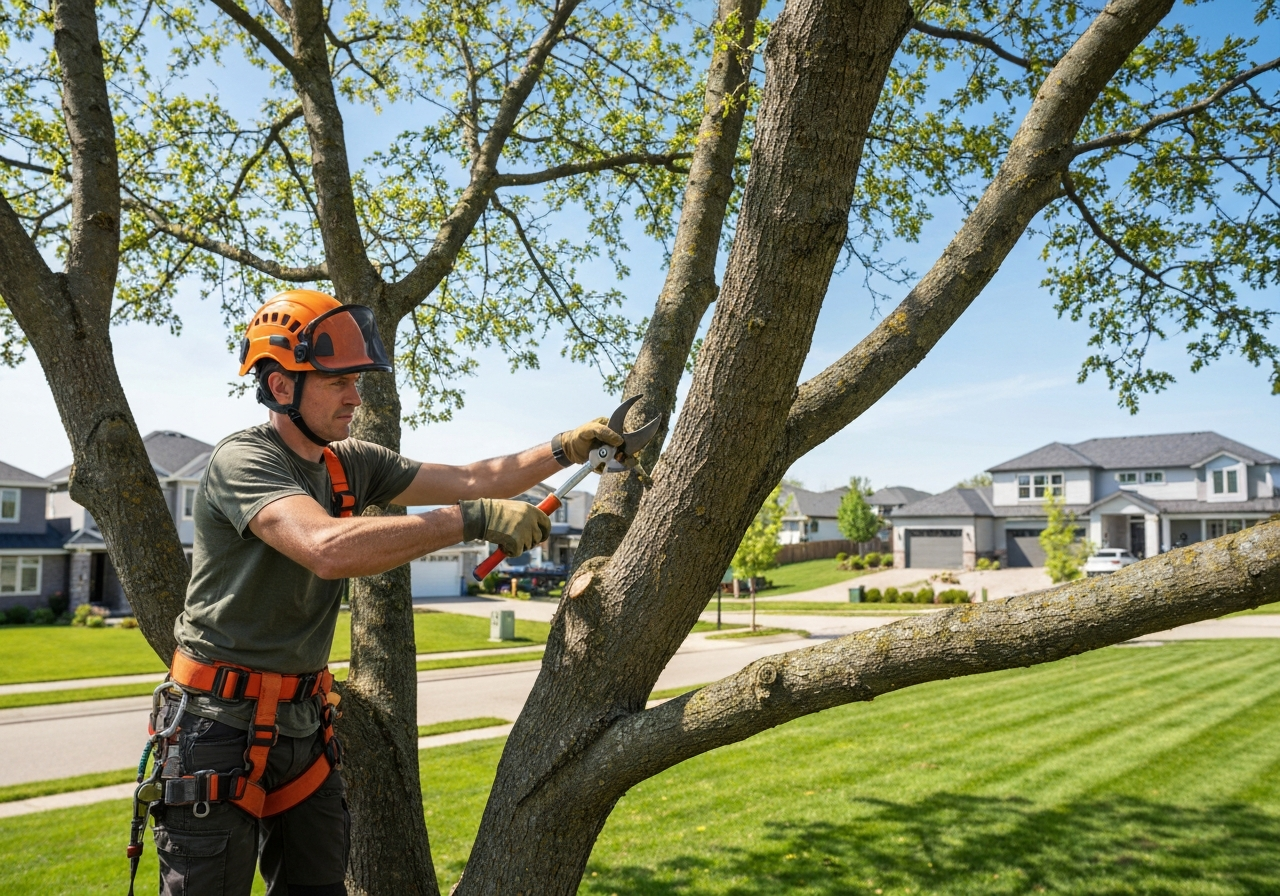
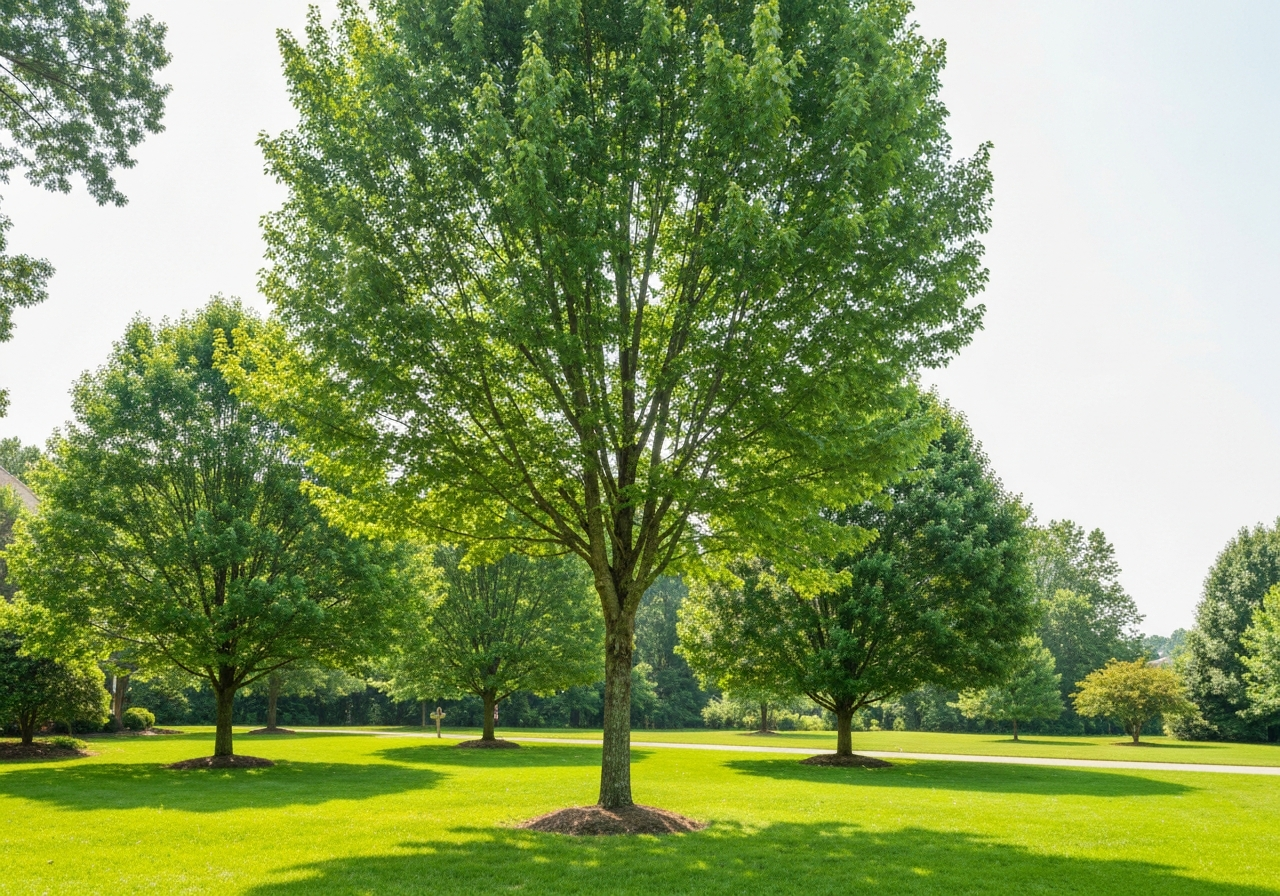
Cracked trunks, codominant stems, root upheaval, and shelf fungi are the warning signs a Waxhaw tree may be hazardous. Learn when to get a professional assessment.
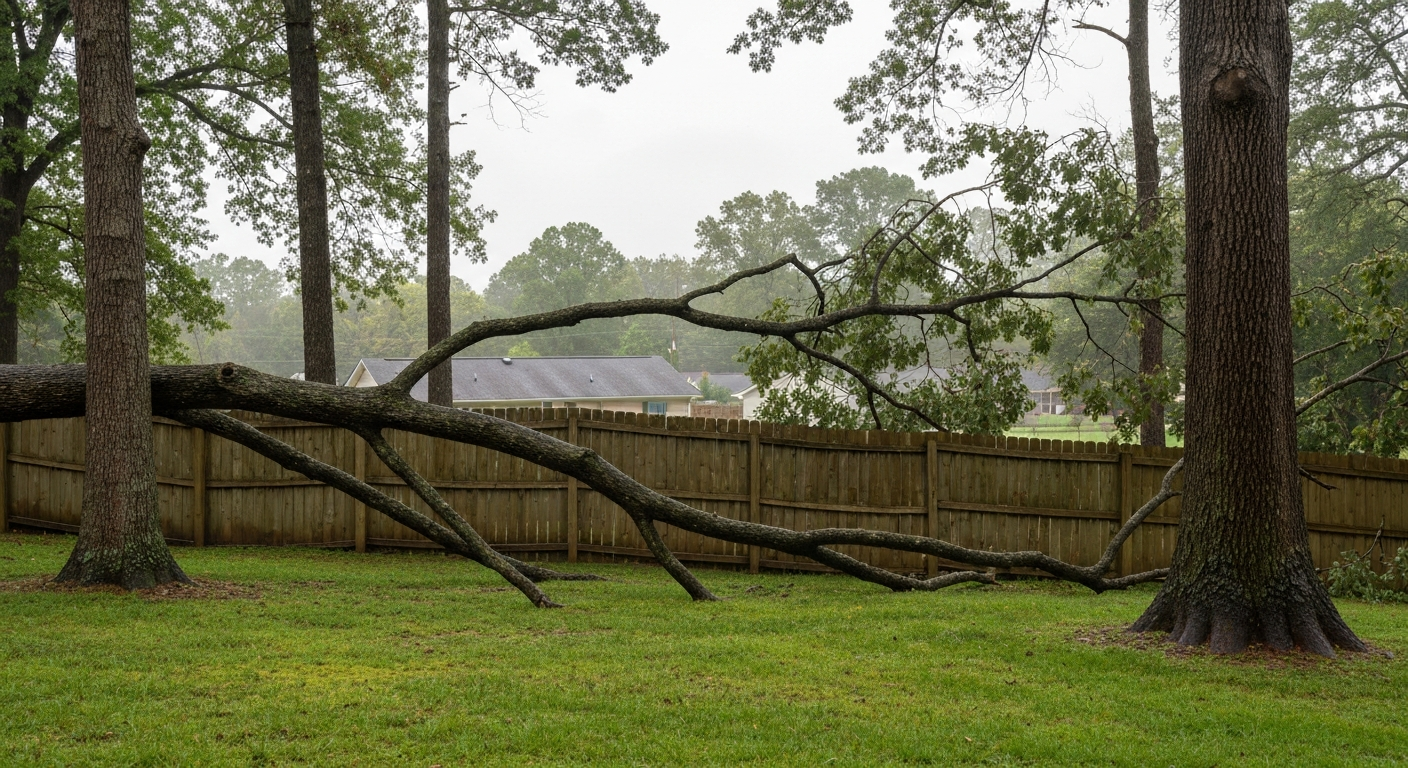
North Carolina does not make your neighbor automatically liable for their fallen tree. Liability turns on notice, and the most-cited NC case actually went against the homeowners. Here is how fault, contributory negligence, and your own homeowners policy really sort out, and what to do in the first days after a tree comes down.
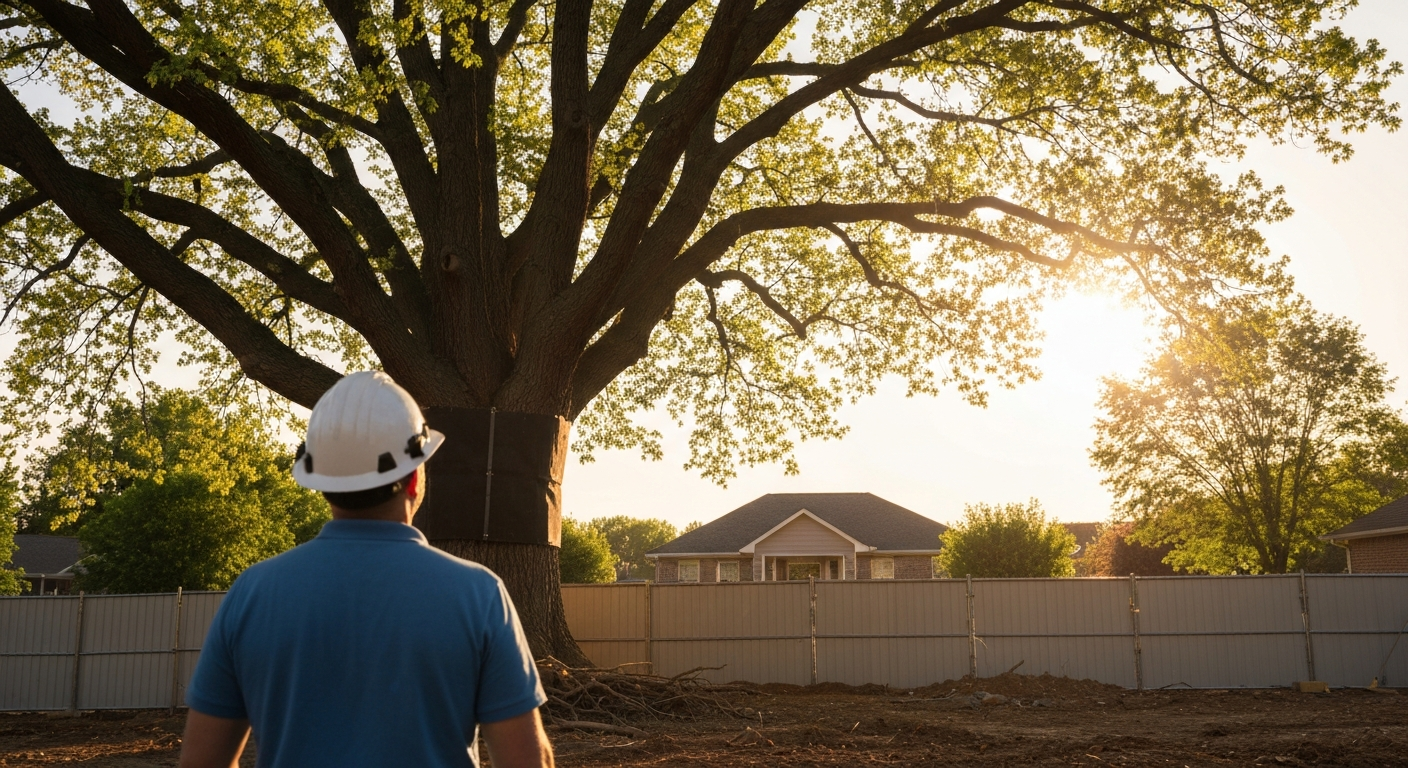
Protecting trees during construction in Waxhaw and Union County starts before machines arrive: fence a tree protection zone at or beyond each tree's critical root zone, then keep digging, traffic, and grade changes out until the work is done. This guide covers how close you can safely build, why construction damage often shows up years later, and when to bring in an arborist.
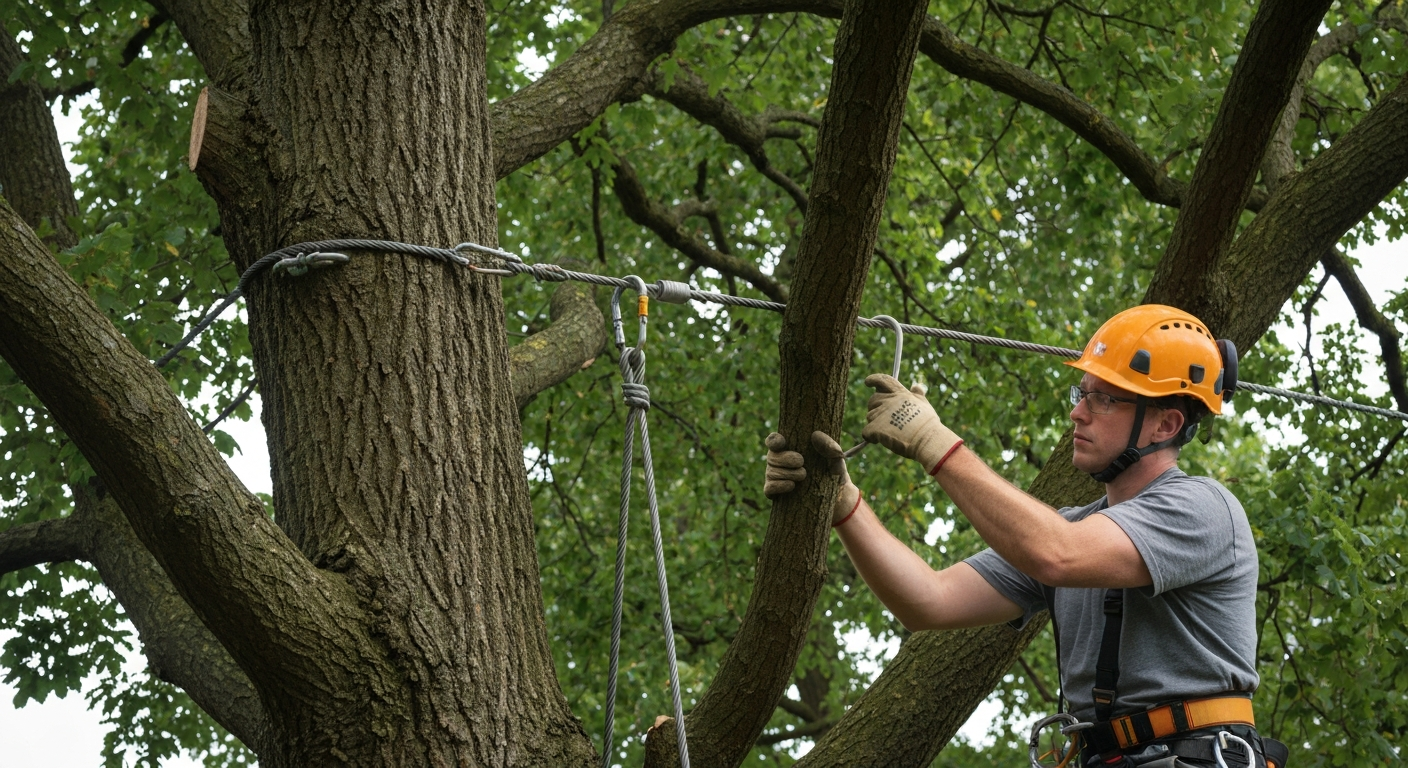
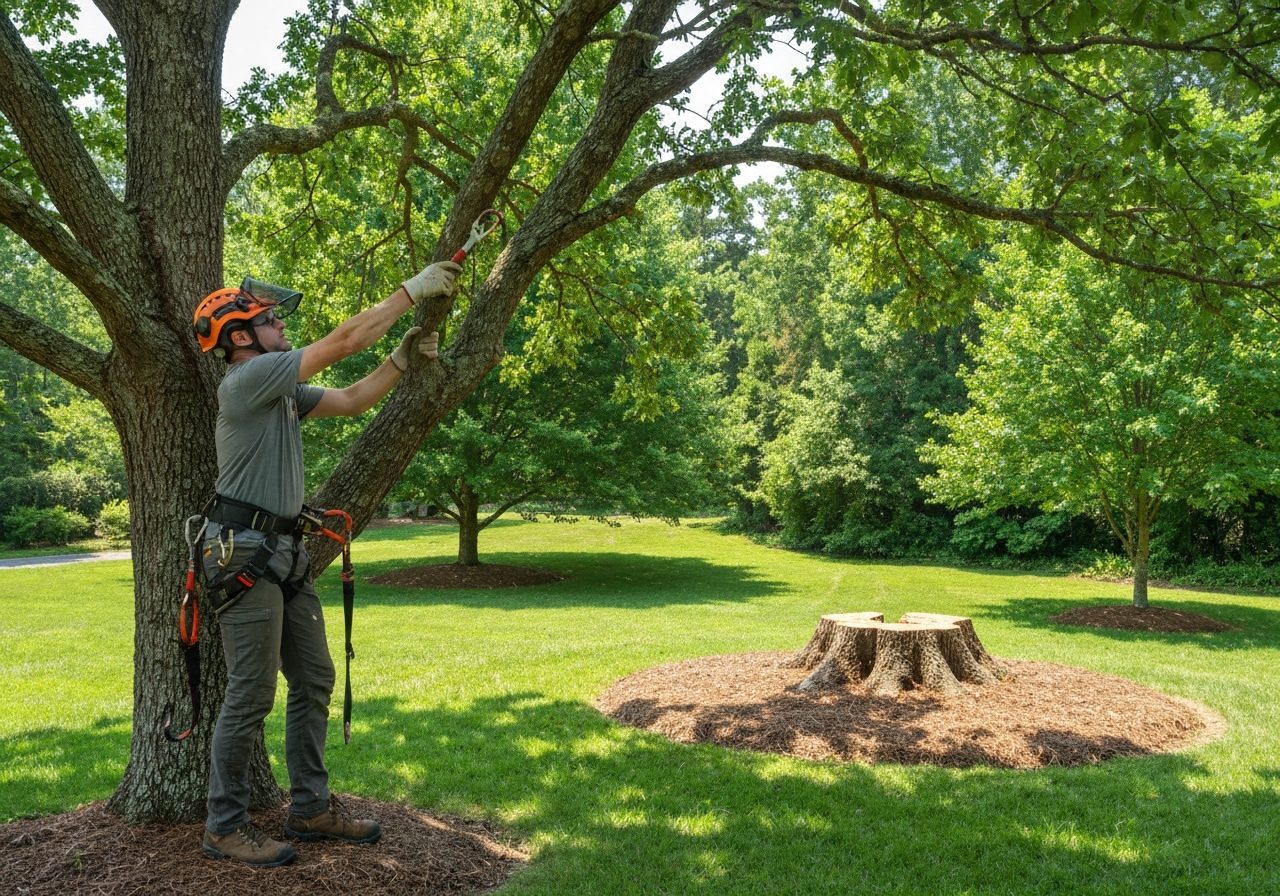
A structurally weak but otherwise healthy tree can sometimes be saved with tree cabling and bracing instead of removed. This guide explains what these arborist-installed support systems do, which trees are and are not good candidates, how long the steel or synthetic-rope hardware tends to last, the inspections it needs over time, and why the save-versus-remove decision belongs to a qualified, certified arborist rather than a do-it-yourself project.
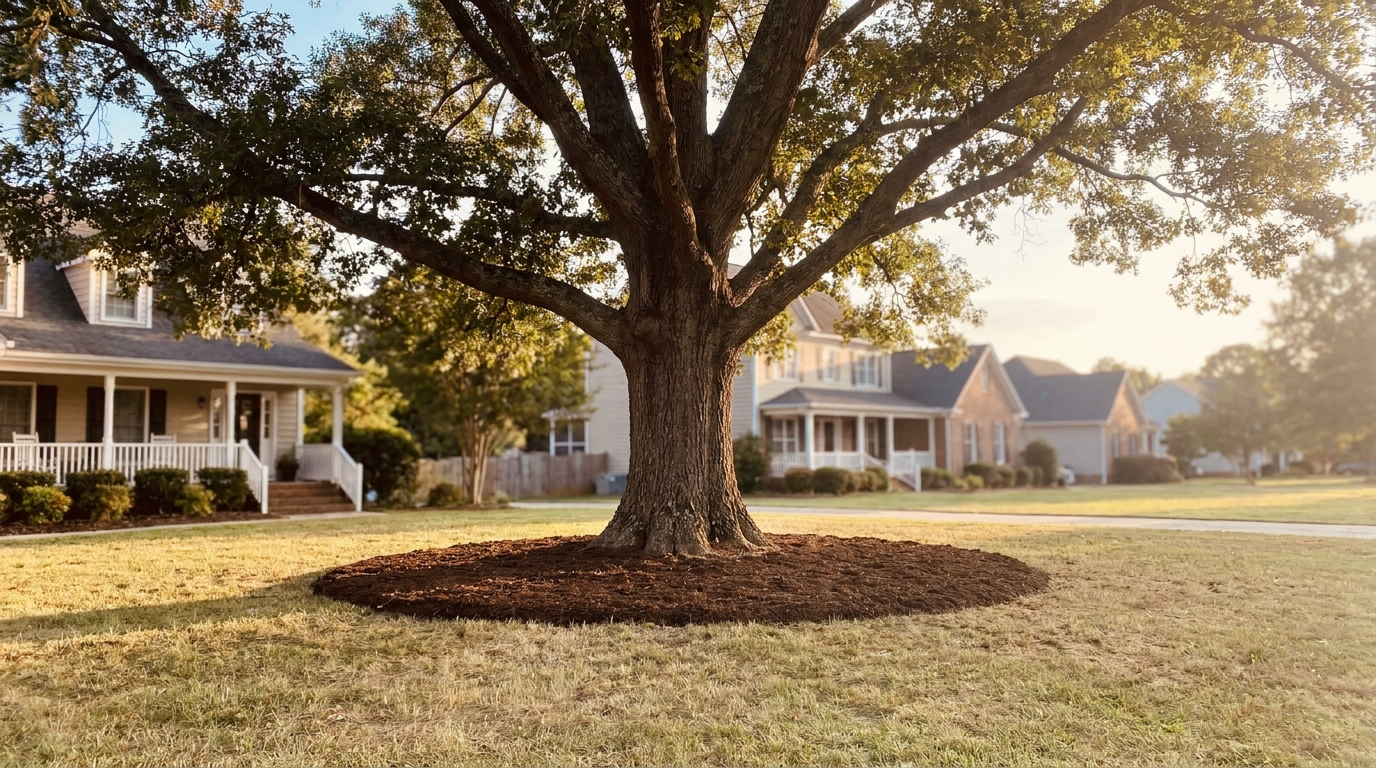
During North Carolina's 2026 drought, Waxhaw homeowners can protect their trees by watering deeply and infrequently, mulching in a ring, and holding off on fertilizer. Here is a local, practical guide from Clark's Tree Care.
Clark's Tree Care uses Google Analytics 4 to understand aggregate site usage so we can serve homeowners better. No advertising or cross-site tracking cookies are used. You can opt out at any time by clicking “Reject,” or learn more in our
Cookie Policy.