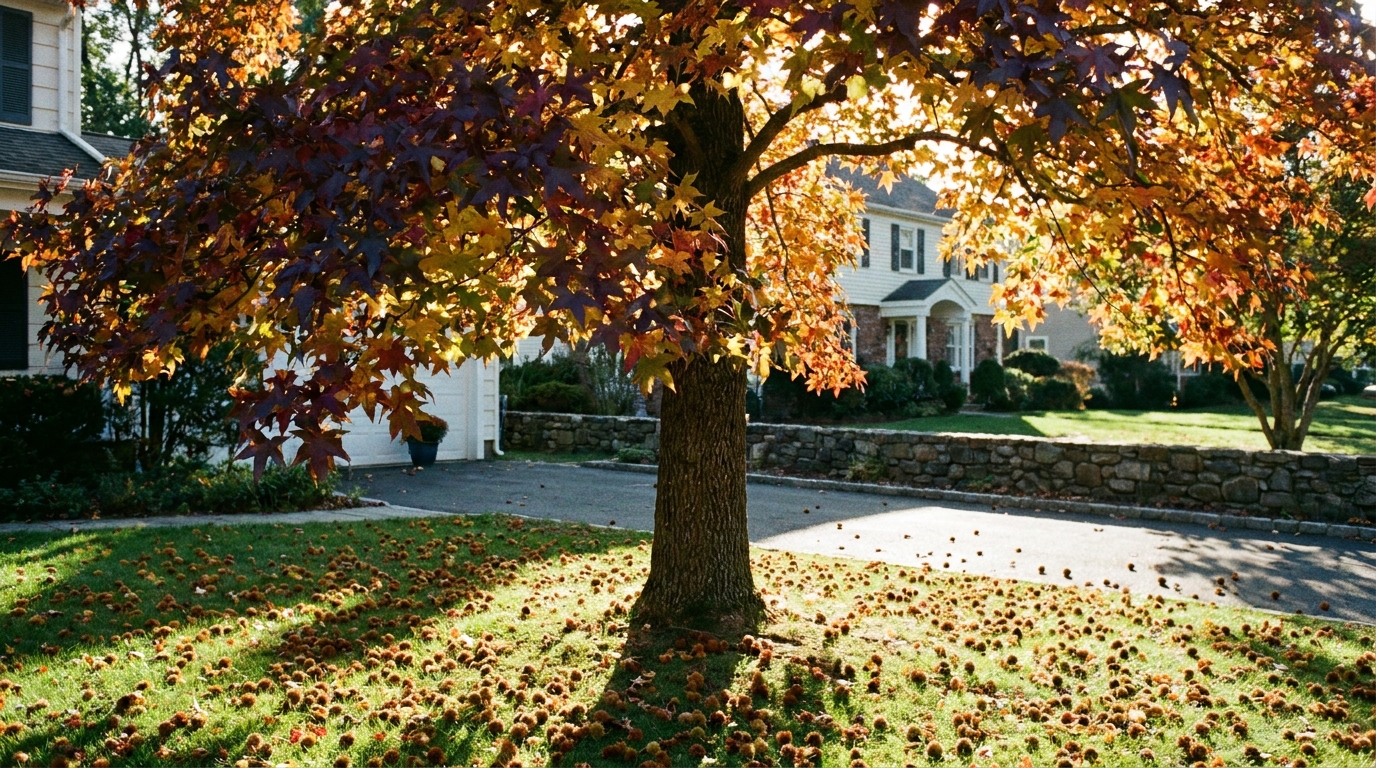
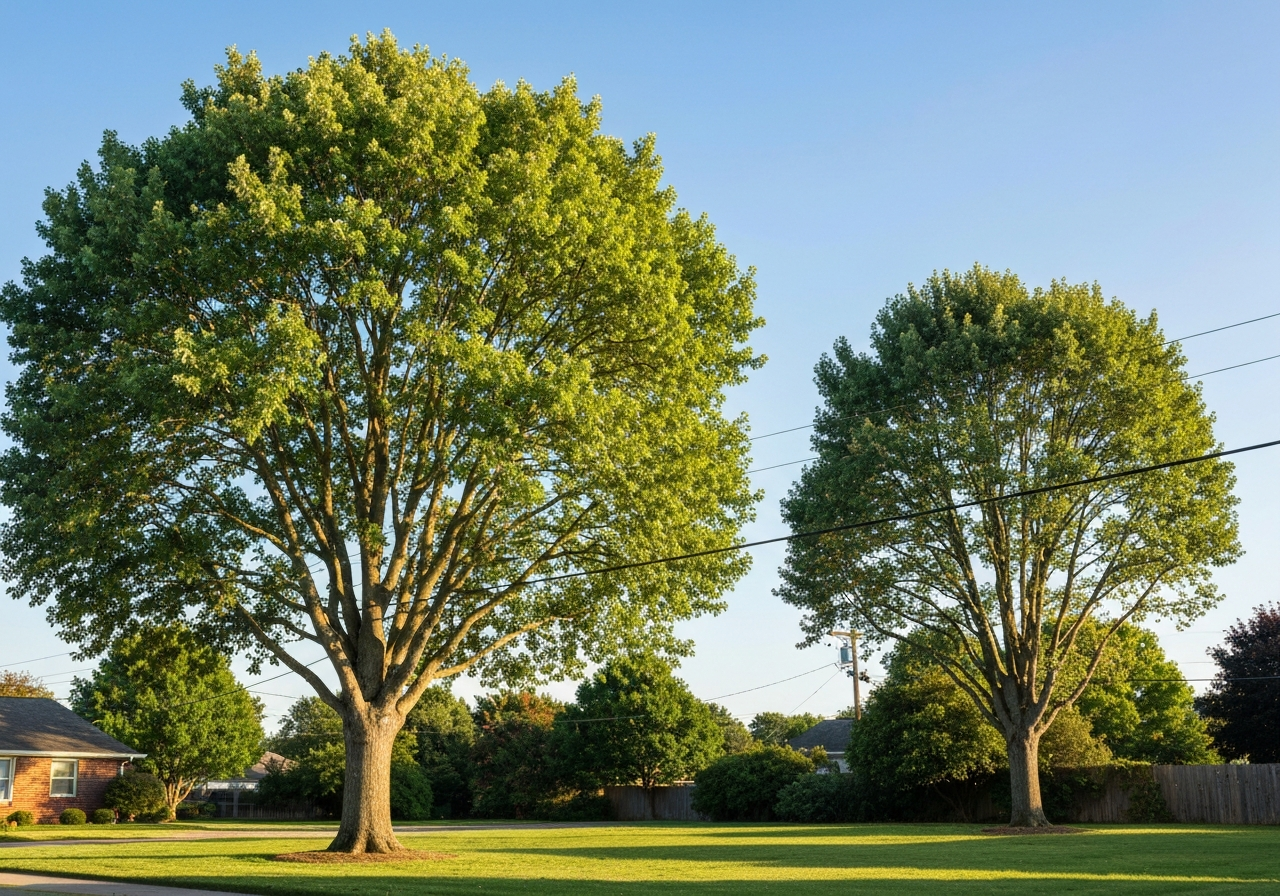
Those spiky balls are the normal fruit of sweetgum, not a sign the tree is dying. Rake them into a mulch bed through April, or remove the tree if you want the mess gone.
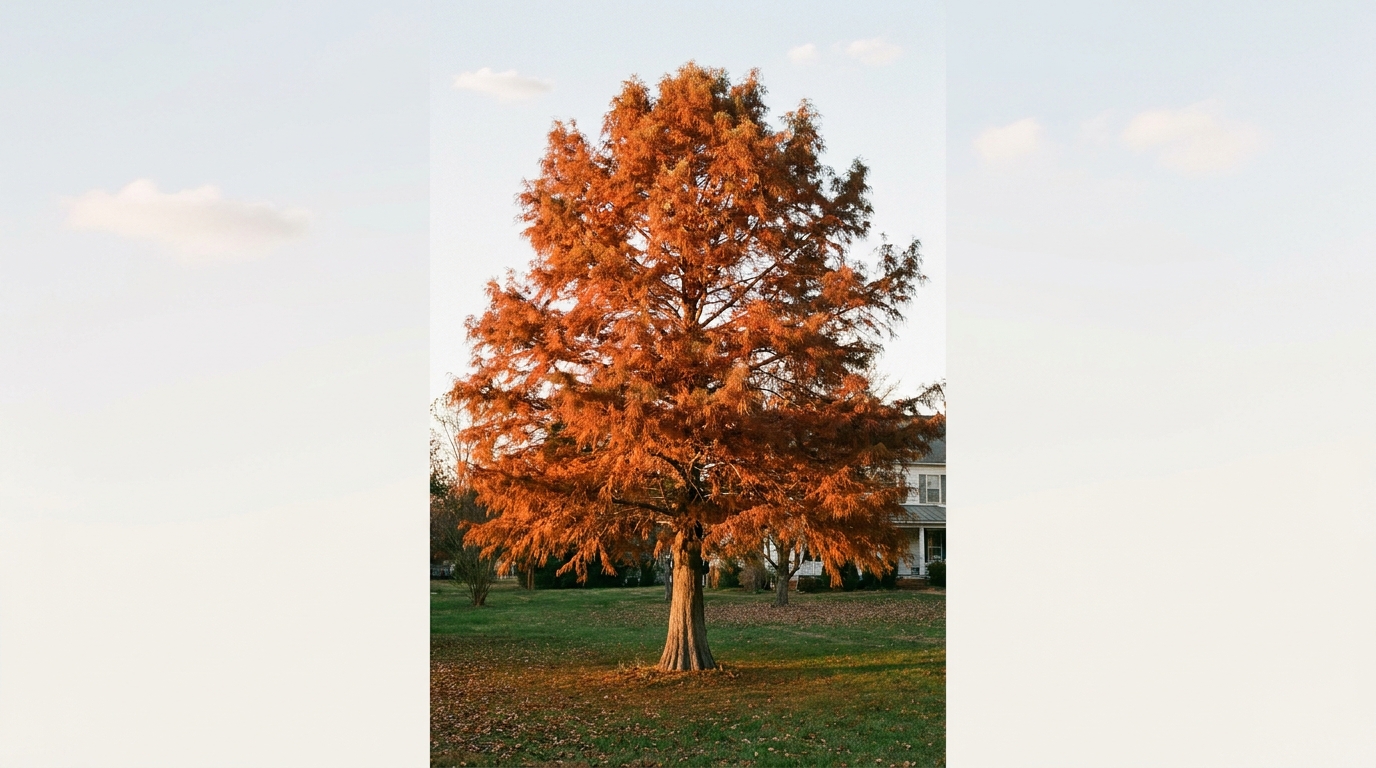
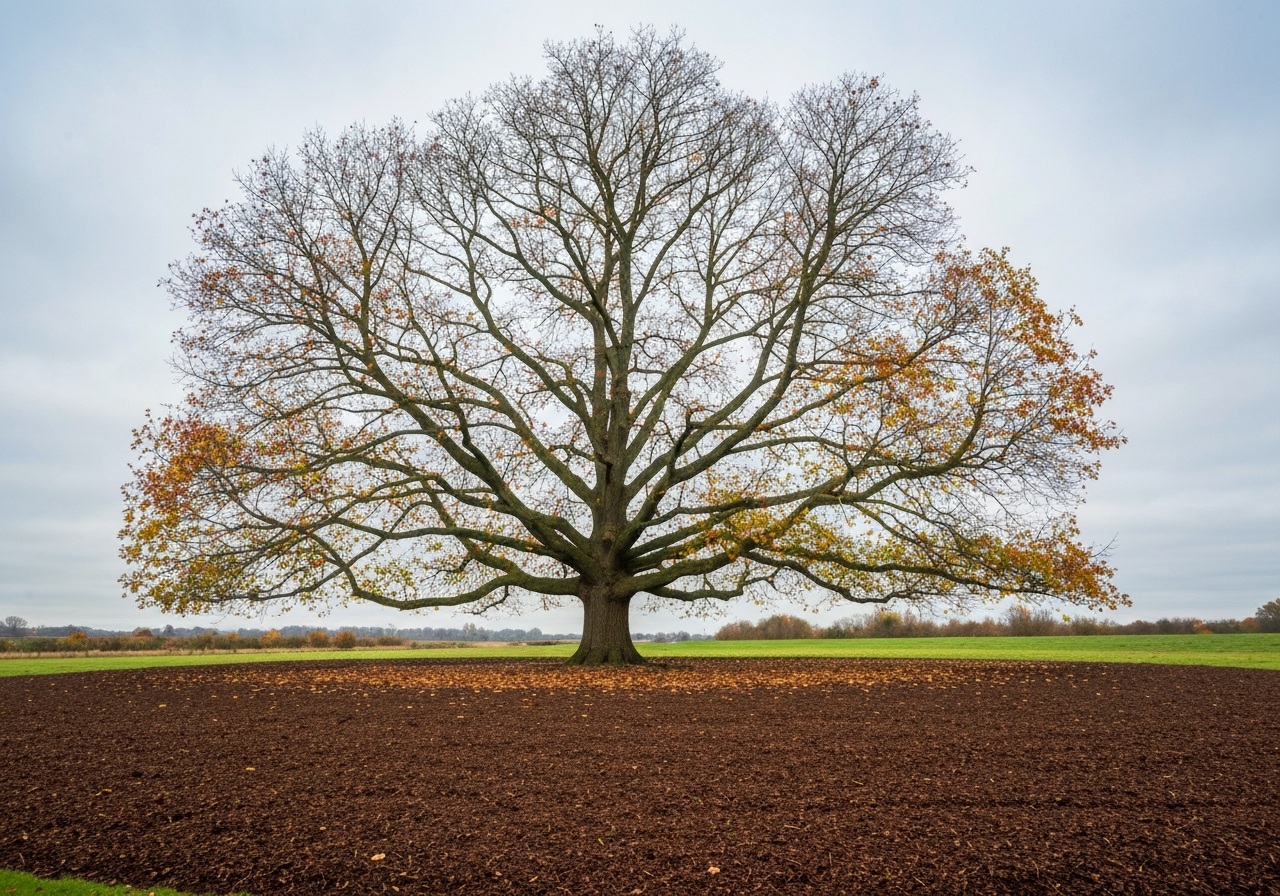
Bald cypress needle drop turns the whole crown copper in November, then the tree stands bare until new needles grow in spring. That color is normal and is not a reason to remove the tree.
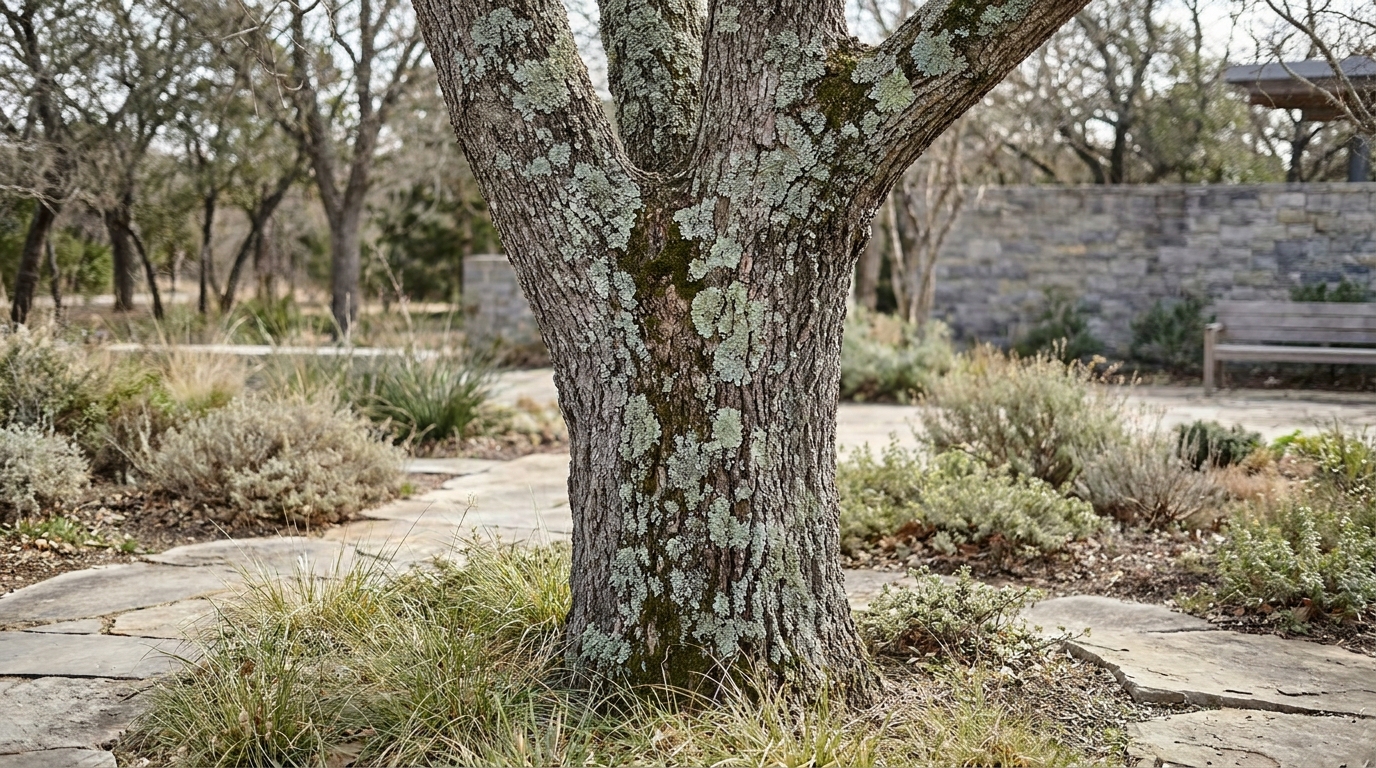
Gray-green patches on bare trunks are usually lichen, a surface growth that does not feed on the tree or need a spray. A heavy coat can be a clue of other stress, not the cause.
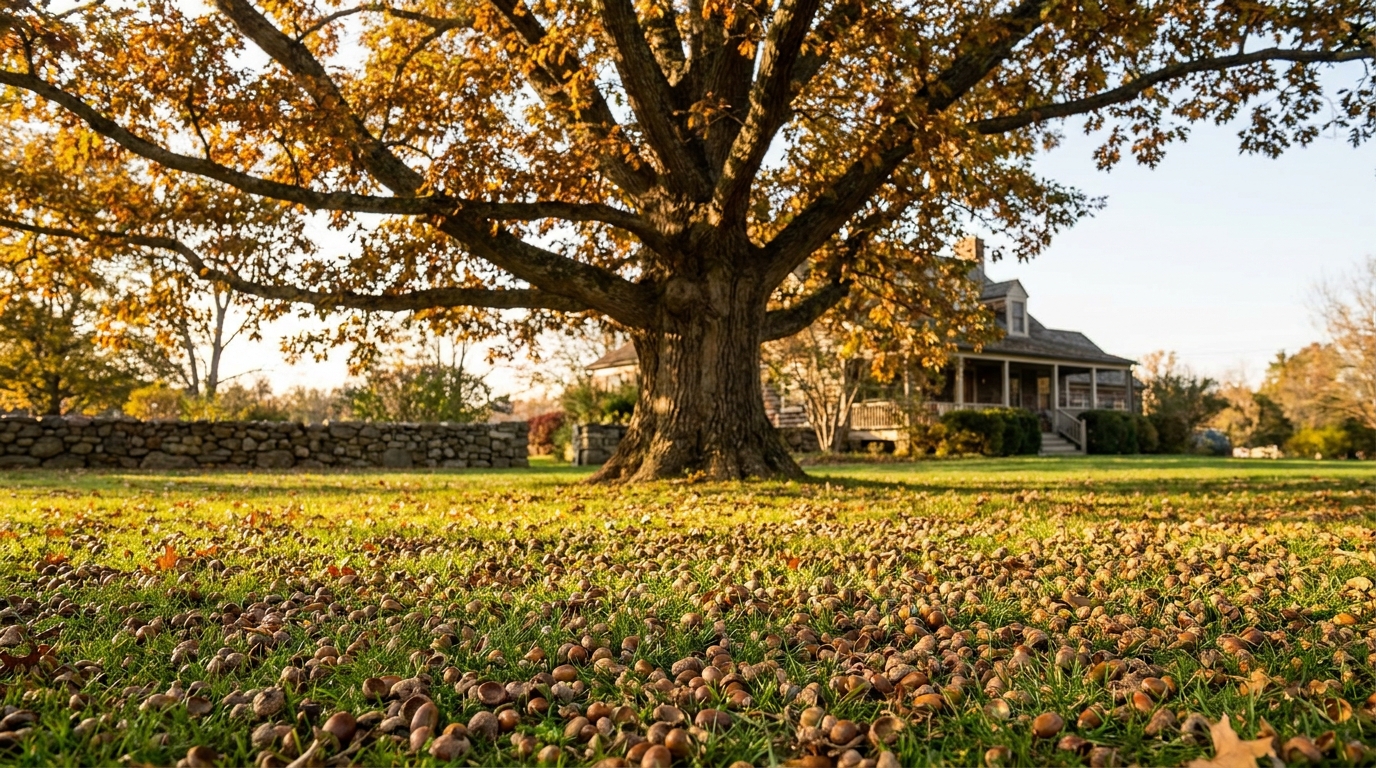
A heavy acorn crop is a mast year, not a sign the oak is dying. White oaks ripen nuts in one season and red oaks take two, so two sound trees can tell different stories in the same October.
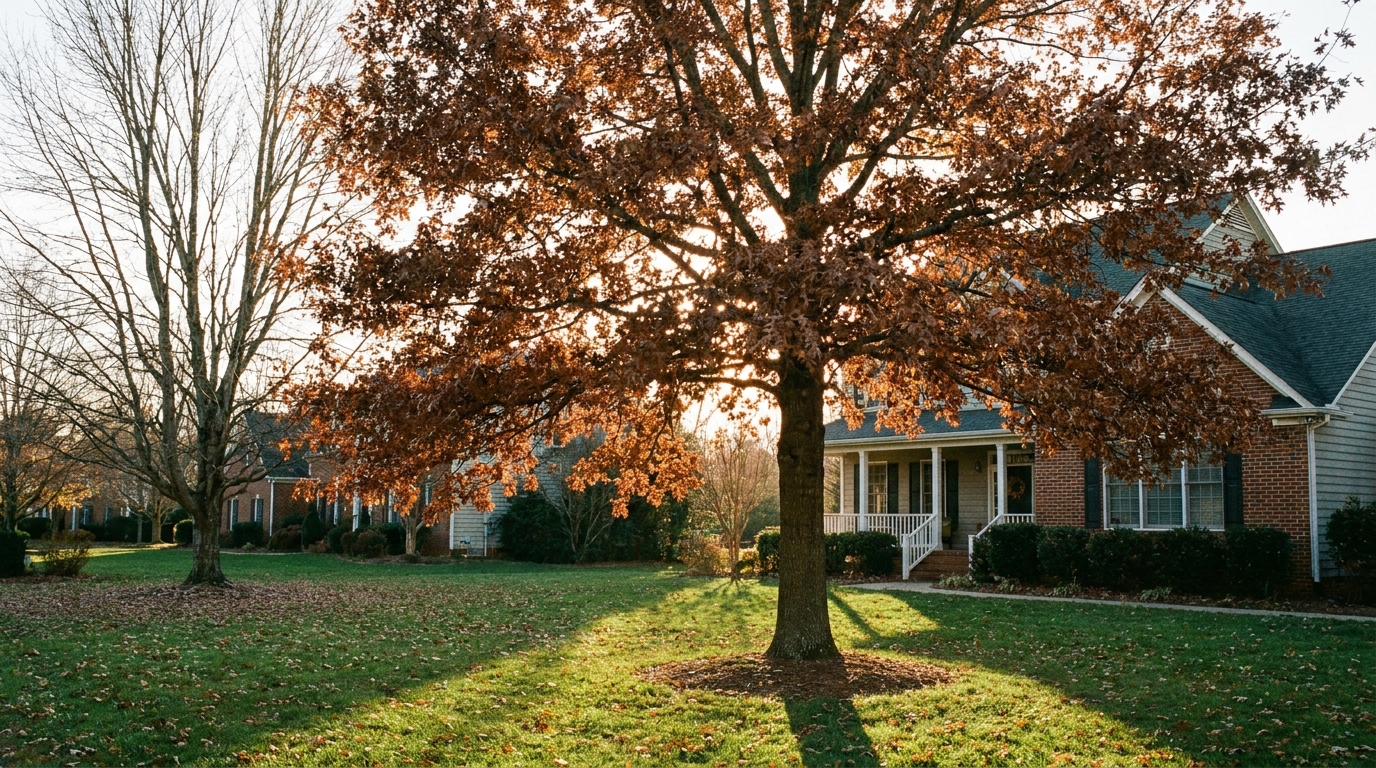
Oaks that keep brown leaves in winter around Waxhaw are usually still holding last year's dead leaves. That habit, called marcescence, is common on pin oaks and young oaks and is not a dead tree by itself.
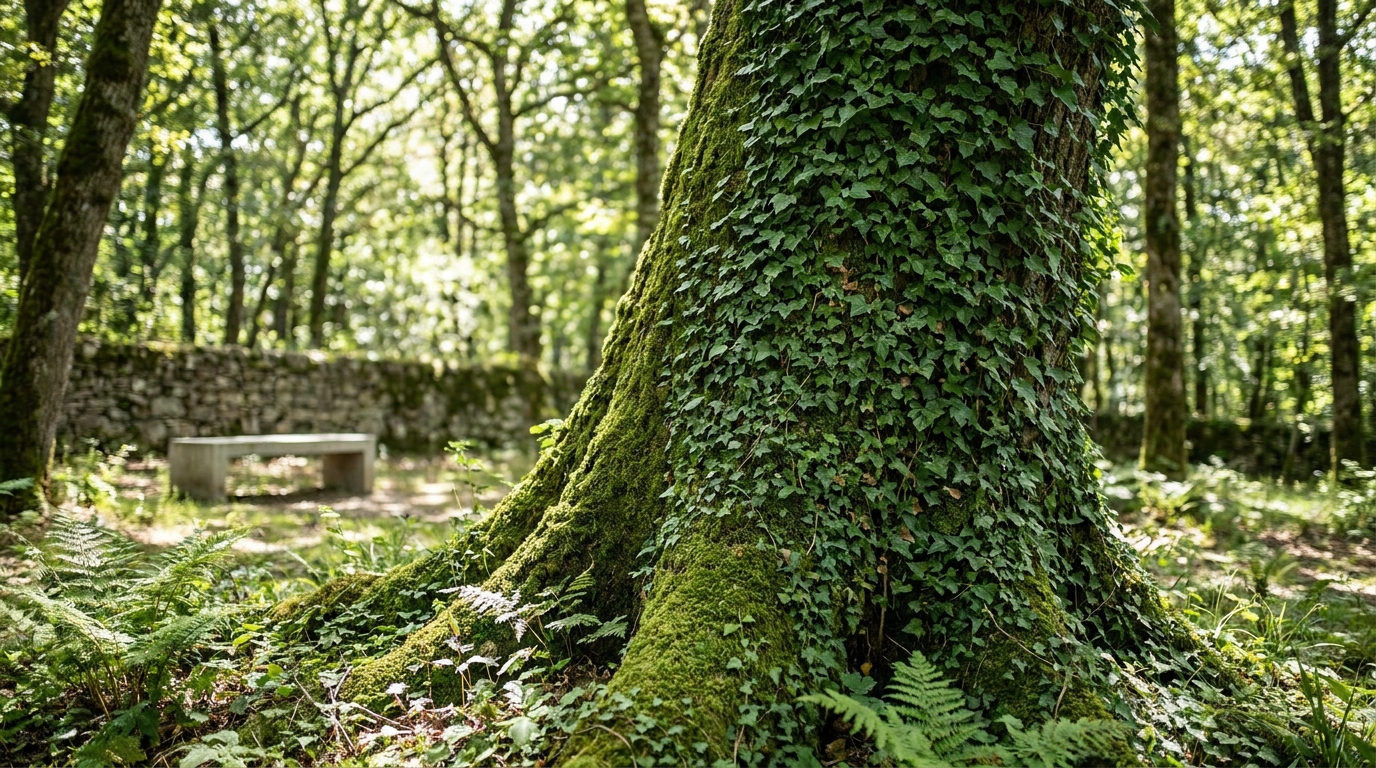
Cut English ivy on tree trunks at the base and leave the vines above to die on the bark. Do not pull them off, because that can peel bark and snap limbs.
Clark's Tree Care uses Google Analytics 4 to understand aggregate site usage so we can serve homeowners better. No advertising or cross-site tracking cookies are used. You can opt out at any time by clicking “Reject,” or learn more in our
Cookie Policy.